Eva Xiao · · 7 min read
These hustlers make a living off WeChat’s thriving underground ecommerce

One third of WeChat users spend four hours a day in the app. Photo credit: Pedro Serapio.
WeChat, China’s most dominant social messaging app, is notorious for its all-consuming nature: payments, food, transportation, entertainment, and of course, social networking. There are in-app services that rent bikes, sell movie tickets, live stream – and even locate nearby bathrooms for you.
But underneath these services, the app also hosts an unofficial market called weishang or ‘micro-shops.’ Run through personal WeChat accounts, micro-shops are unregulated sales channels that sell anything from fake Louis Vuitton bags to homemade cakes – to even guns.
“Buying, shipping, taking photos, customer service – I do it all,” Wang Meng, a micro-shop owner in Australia, tells Tech in Asia. “I respond on WeChat everyday – I don’t have a set time. If I’m not posting on my [newsfeed], I’m on vacation.”
“I want to have control over my own work day,” she adds.
Micro-shops sell anything from fake Louis Vuitton bags to homemade cakes.
It works like this: Wang takes photos of different products – children’s toys, vitamins, bracelets – and posts them on her Moments, the app’s newsfeed-like feature. Interested customers message her directly or leave a comment. Payment can happen inside the app, which has its own payment system called WeChat Wallet, or other channels such as Alipay, another popular digital wallet in China.
Micro-shops aren’t restricted to any category of product, but Wang’s specialty is imported goods from Australia. She left Beijing and moved to Melbourne about two-and-a-half years ago, joining China’s far-flung diaspora. Now, she’s a stay-at-home mom with two kids, so the flexibility of a micro-shop suits her well. At her peak, she made more than US$4,000 a month.
“Micro-shops can definitely be a full-time job,” she says. “A lot of my friends who run around filling customer orders […] everyday make about US$10,000 a month.”
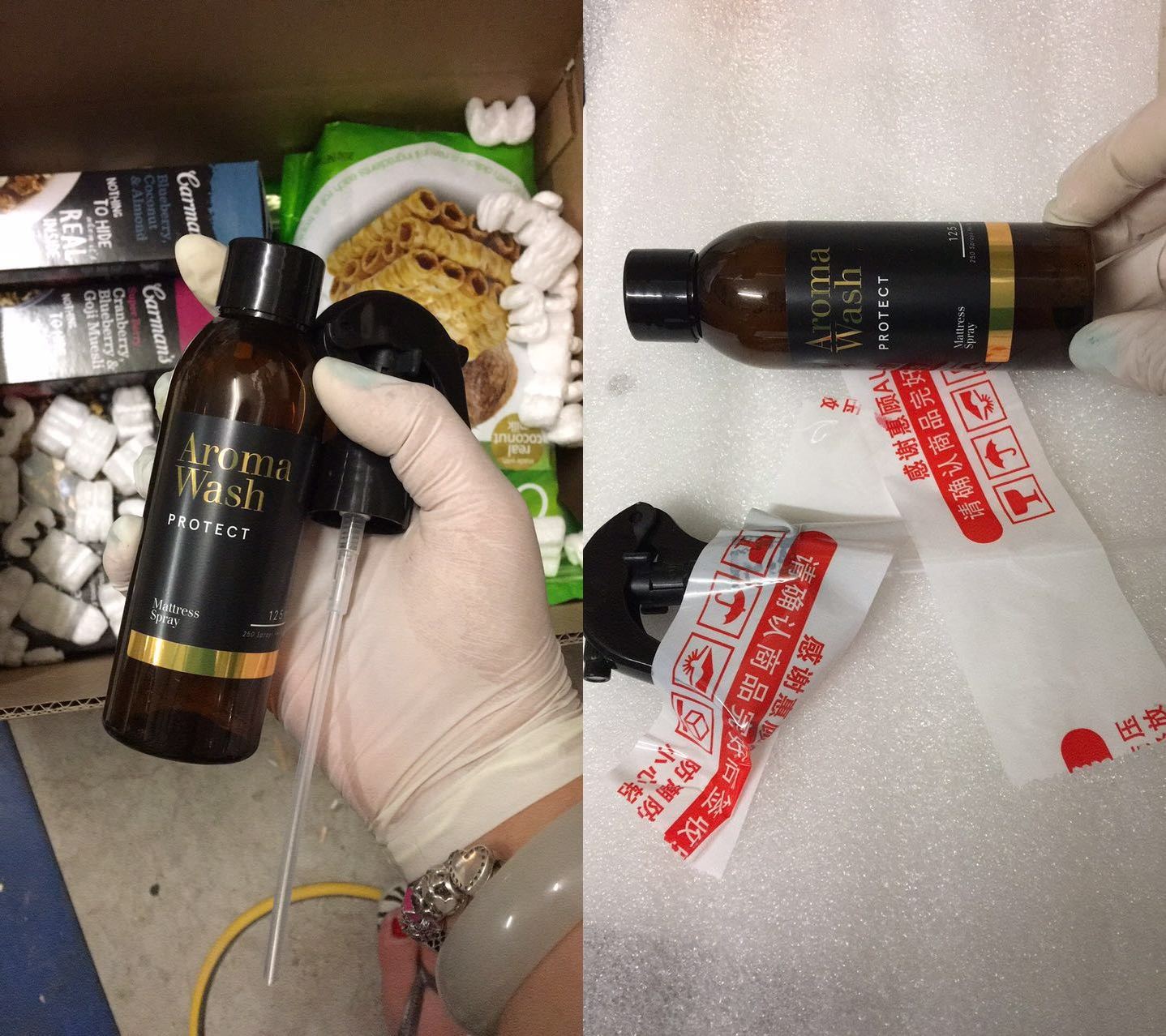
Wang carefully packs items for customer orders. After about twenty days, clients receive their goods in the mail. Photo credit: Wang Meng.
No strangers
In China, it’s not uncommon to hear about people who make a living – or even become rich – through social media: live streaming hosts, online comedians, even cartoonists. In the West, there are YouTube stars that rake in millions of dollars. In India, some entrepreneurs are using WhatsApp and Facebook – not Amazon or other ecommerce platforms – to sell goods.
But WeChat is unique. Not only does it come with built-in infrastructure for payments, blogging, and social networking – lending itself to entrepreneurial endeavors of all kinds – but it’s also an incredibly closed network. It’s designed to buffer you from strangers.
WeChat is designed to buffer you from strangers.
Gray market










📅 Upcoming Events
30-31 March 2027
Upskill Fest