- Premium Content It takes our newsroom weeks - if not months - to investigate and produce stories for our premium content. You can’t find them anywhere else.
 Melissa Goh · · 9 min read
As remote work rises, HR tech firms spot an opening
If you live in Singapore, this might be your fourth consecutive month of working from home (WFH) since the Covid-19 pandemic began.
Economies across the world may have taken a beating from this unprecedented crisis, but hiring activity in the Asia-Pacific region is now showing signs of recovery. Workplace norms have also evolved to suit the new normal, leading employers to rethink their human resources strategies.
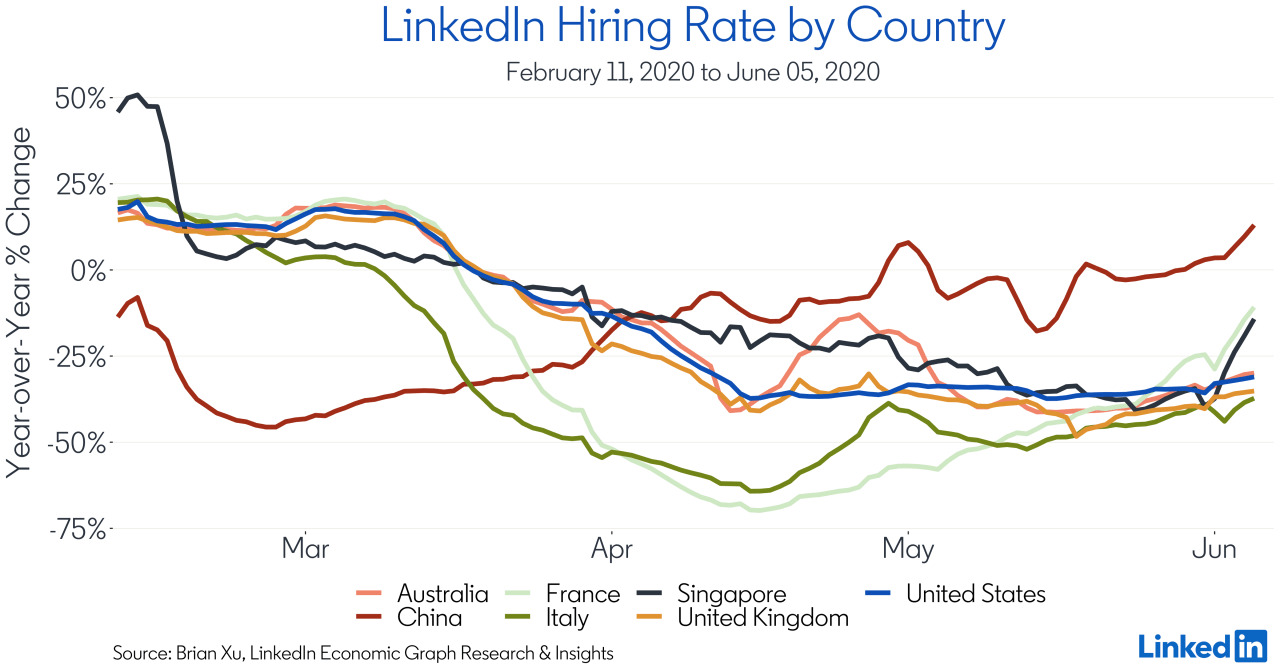
Hiring in Singapore has shown a ‘notable’ recovery since the start of June / Photo credit: LinkedIn
“Many employers have realized that having very productive remote work is very possible,” Oswald Yeo, CEO of talent recruitment platform Glints, tells Tech in Asia. Many startups, including his, are rushing in to help manage the transition.
In the past quarter, Glints has seen an increase in hiring between what it considers “demand markets” for labor like Singapore and Hong Kong, and “supply markets” like Indonesia, Vietnam, and Taiwan. Revenue from the company’s cross-border hiring business in April grew 4x year-on-year.
While demand has gone up, so has supply. Searches from candidates in Taiwan looking for work in Singapore have tripled organically since the start of the year, Yeo says.
A new normal?
Remote hiring can do away with costly relocation packages, which may include travel, accommodation, and family allowances. It also allows employers to tap into each market’s relative strengths: Singapore for its managerial talent, Vietnam and Taiwan for skilled engineers, Indonesia for digital marketing talent, and the Philippines for digital design staff.
In Hong Kong, a substantial number of employers that tap Glints’ services are from gaming, ecommerce, and logistics. Of these businesses, 40% are seeking to hire remote engineering teams across Indonesia, Vietnam, and Taiwan.
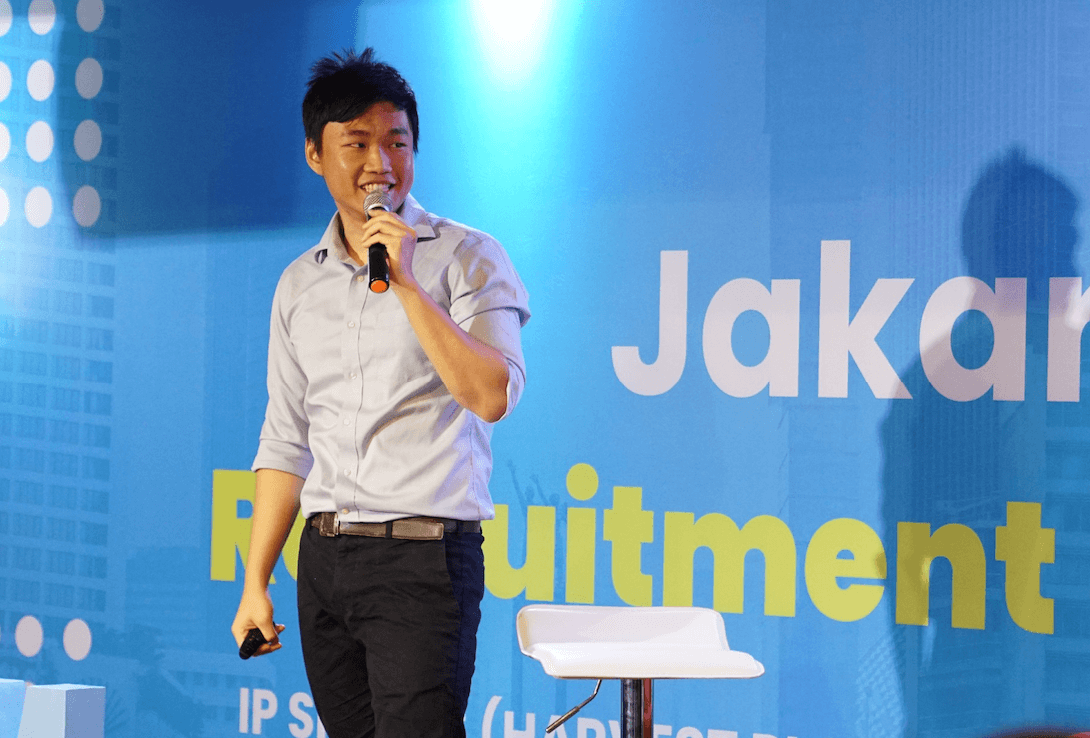
Glints CEO and co-founder Oswald Yeo / Photo credit: Glints
The appetite for such services is expected to climb. CloudStaff, an outsourcing company based in the Philippines, says it’s seen a “sustained and significant” increase in businesses looking to outsource since March.
“Professional services such as accounting, finance and collections roles have been proving very popular,” CloudStaff spokesperson Toby Longhurst tells Tech in Asia. The firm has also been seeing demand from ecommerce, digital marketing, and IT support sectors from markets across the US, Australia, and Hong Kong.
Educational technology startups Geniebook and Snapask, which have seen a lift amid a boom in online learning as schools across the region suspended classes, are hastening their hiring of overseas talent.
At present, Singapore-headquartered Geniebook has a workforce that spans 16 countries. CEO Zhizhong Neo believes that the hiring of talent “should not be limited by international boundaries” and plans to recruit another 150 staff in the next 12 months globally.
Trade-offs in remote working
Where companies need help
Will the trend persist?
Stay ahead in Asia’s tech landscape
This is premium content. Subscribe to read the full story.
Effective communication and tracking productivity are among employers’ top concerns.
We know this is not ideal. ⌛ Sign up in 20 seconds. Cancel anytime.
Our subscriber community includes professionals from these companies:





Stay updated on the go with our mobile app.
Get latest insights with smoother, more personalized experience through TIA mobile app.