 Samreen Ahmad · · 4 min read
The who’s who of SEA’s insurtech sector (Updated)
Charts and visuals, only for subscribers
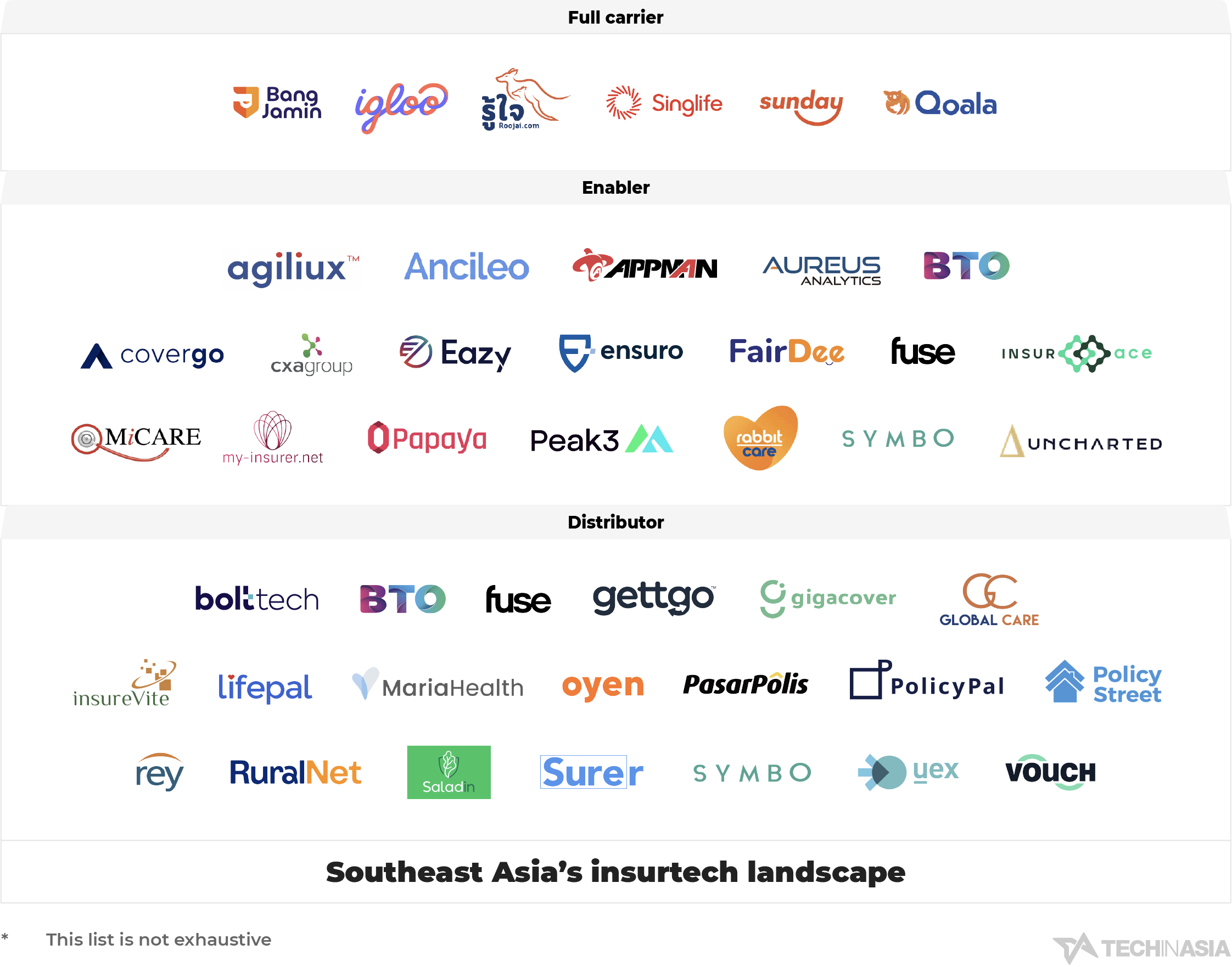
Insurance is all about risk management. Buyers are purchasing protection now to guard against a future downturn or change in fortune.
It’s appropriate, then, that funding for the insurtech sector has proven resilient despite challenging global economic conditions.
In Southeast Asia, insurtech firms attracted US$531 million in funding and M&A activities last year, 4x more than in 2022. Indeed, this was the most money raised in any one year between 2019 to 2023.
See also: Why PayPal’s VC arm is betting on Qoala despite the insurtech firm not yet being profitable
However, this year isn’t looking as good. As of June, only US$91 million in funding had been raised. More than half of this was from Indonesian insurtech company Qoala. The firm raised a US$47 million series C round despite the fact that it’s still in the red.
Regardless of short-term funding cycles, there is reason to believe that the sector will grow over the long term.
The market is large: Southeast Asia’s insurance sector is expected to reach US$162 billion this year. Penetration is also low, with around 40% of the population still uninsured.
A new kind of insurtech
Gen Z represents 23% of Southeast Asia’s population, which means reaching the segment is a prime opportunity for insurtech startups to shape the behavior of a rising class of consumers. Companies can do this by offering simplified, targeted solutions that address the specific concerns of the demographic.
An InsuranceAsia report notes that startups like Indonesia’s Igloo are already doing this. For its part, Igloo created a Gamer’s Protection product specifically for gaming-related health issues. It also has a Safe Dining Plan for incidents of food poisoning.
For Igloo, gamification is also a way to engage Gen Z, a generation that values interactivity and rewards.
For example, by incorporating game-like elements into insurance processes — such as earning points, badges, or rewards for renewing policies or referring friends — startups can make insurance management more appealing.
Pet insurance is another area many insurtech startups are exploring in order to expand their user base. This comes amid the rising importance of pets in households.
Malaysia-based Oyen is a pet-first insurer that offers products designed to reimburse “all veterinary and surgical fees” incurred during the period of insurance for illness or injury. As of 2023, the startup has provided 100 million ringgit (US$24.2 million) worth of protection to pets.
Slow but steady on M&As
Leading the pack
Credits
Share, tag us, and land on our Wall of ❤️ !
Stay ahead in Asia’s tech landscape
This is premium content. Subscribe to read and use our charts, graphics, and other visuals legally
Despite the economic slowdown, Southeast Asia’s insurtech secured US$530.7 million in 2023, a five-year high.
We know this is not ideal. ⌛ Sign up in 20 seconds. Cancel anytime.
Our subscriber community includes professionals from these companies:





Stay updated on the go with our mobile app.
Get latest insights with smoother, more personalized experience through TIA mobile app.