 Jofie Yordan · · 3 min read
The key players in Indonesia’s beauty commerce space
Charts and visuals, only for subscribers
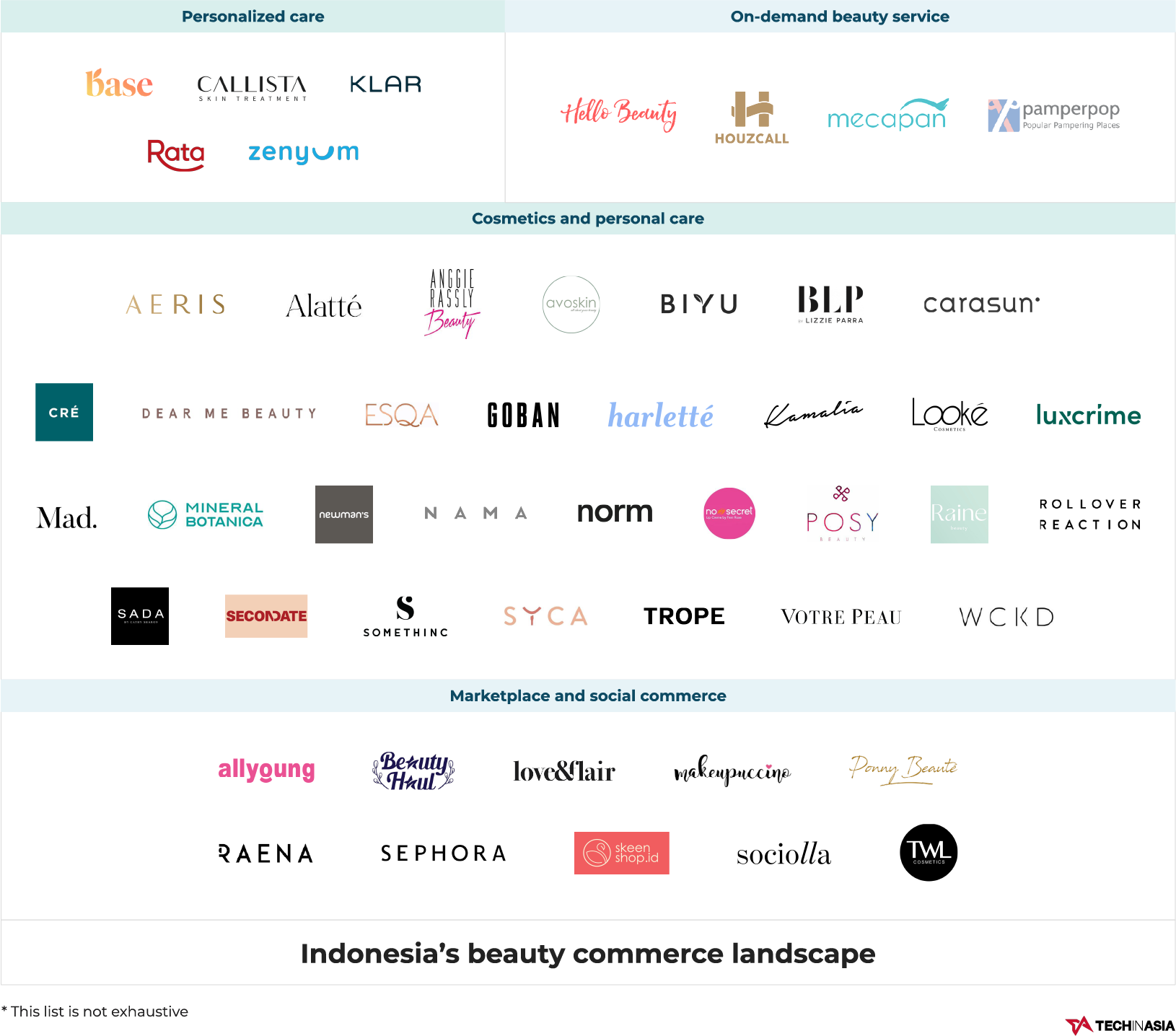
Beauty commerce is one of the verticals that rode the ecommerce boom during the pandemic. Even in the post-pandemic era and with rising inflation squeezing disposable income, consumers across the world are still expected to shop for cosmetics online.
In an Indonesia-focused survey conducted by research firm Populix, about 66% of respondents said they shop for beauty products through ecommerce platforms, far higher than any other channels.
In 2022, the average Indonesian consumer allocated 9% of their income to buy makeup products, according to market research company Jakpat. Meanwhile, the average budget allocated for skincare products was 10%.
The beauty and personal care market in Indonesia is expected to keep growing. Research from Statista estimates that the market will generate US$8 billion in revenue this year, with an compound annual growth rate of 4.8% from now till 2027.
This growth is also supported by the demographics of the Indonesian market, where the female population reached 49.5% in the first half of 2022, according to government data. Moreover, most of them are of working age.
These trends have encouraged the emergence of new startups in the beauty commerce sector. Many have built their own direct-to-consumer (D2C) brands, combining sales channels through websites and ecommerce platforms such as Shopee, Tokopedia, Sociolla, and Love and Flair.
There are also startups engaged in personalized care services like Zenyum and Rata, which provides dental treatment. In addition, Mecapan is classified under on-demand beauty services, as it offers makeup and styling services.
There is also a beauty startup called Raena that runs on a social commerce model. It provides a reseller and dropship platform for skincare, bodycare, haircare, and makeup products from more than 250 brands.
Sociolla, the leading beauty marketplace in Indonesia, has expanded its business by building offline channels and entering Vietnam in 2020. The company had 62 offline stores across both countries by the end of 2022.
By venturing outside Indonesia, Sociolla has also helped local cosmetic brands such as Esqa, Avoskin, and Carasun to go overseas.
Share, tag us, and land on our Wall of ❤️ !
Stay ahead in Asia’s tech landscape
This is premium content. Subscribe to read and use our charts, graphics, and other visuals legally
The ecommerce boom during the pandemic has spurred the emergence of beauty startups in Indonesia, particularly in the direct-to-consumer space.
We know this is not ideal. ⌛ Sign up in 20 seconds. Cancel anytime.
Our subscriber community includes professionals from these companies:





Stay updated on the go with our mobile app.
Get latest insights with smoother, more personalized experience through TIA mobile app.