 Samantha Cheh · · 6 min read
Beyond profit: how SEA can boost growth with ‘tech for good’


Image generated with Midjourney.
While digital transformation has been widely embraced as the future of growth, its acceleration in recent years has been accompanied by skepticism about its shortcomings.
“Governments all over the world are weighing up the unintended costs of rapid digitalization,” says Ming Tan, founding executive director of policy think-tank Tech for Good Institute. These include issues surrounding data security, personal privacy, and increased inequality.
In the face of this, the concept of “sustainable digital development” has grown in prominence as companies become more aware that it’s not enough to simply “do well” – they also have to “do good.”
And doing so is now an “urgent priority for businesses,” says Barbara-Ann Bensted, Asia-Pacific vice president of sustainability at Capgemini, a business and tech consultancy firm.
While there is no single definition of “tech for good,” Tan notes that sustainable digital development is all about “setting the right conditions” to align innovation with inclusive and equitable transformation.
This has been compounded by the uptick in sustainability initiatives by large corporations, investors’ growing focus on the United Nations’ Sustainable Development Goals, and heightened risks of climate change.
“The outcomes of ‘tech for good’ reach beyond digital transformation to enable sustainable development and progress for all,” says Tan.
Leapfrogging into sustainability
Thanks to mobile-first populations and dynamic startup ecosystems, Southeast Asia’s digital economy could become a US$1 trillion market by 2030. But this growth has come at a cost: The expanding digital sector could produce 20 megatonnes of emissions within the same period.
“While this is still smaller than the environmental impact of other sectors like oil and gas, more can be done to mitigate the carbon footprint of a growing sector,” says Kiren Kumar, deputy chief executive for development at Singapore’s Infocomm Media Development Authority (IMDA).
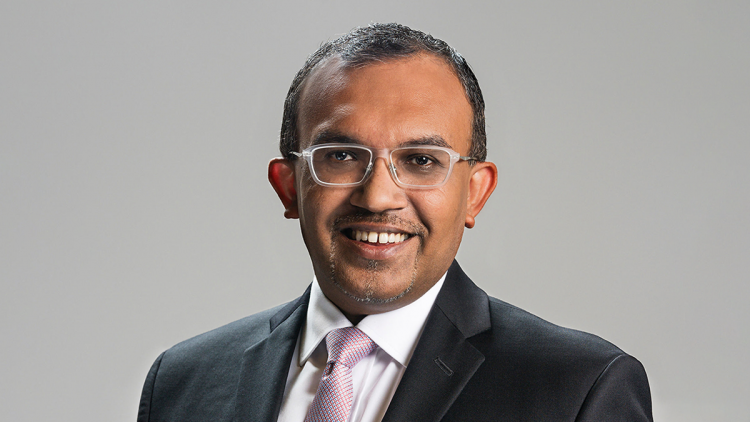
Kiren Kumar, deputy chief executive for development at IMDA / Photo credit: IMDA
Embedding the principles of sustainable digital development is essential for Southeast Asia to reduce these environmental impacts and craft tech innovations to directly address other big issues. In Indonesia, for example, digital financial services are being leveraged to promote economic equality among women and low-income groups.
Tan also highlights Southeast Asias emerging ESG technology sector, where startups like Jejak.in are using artificial intelligence and lidar sensors to democratize carbon credit management.
She notes that the region’s rapid rate of tech adoption gives it an advantage over more mature digital ecosystems, even as the sustainability agenda gains traction globally.

Ming Tan, founding executive director of the Tech For Good Institute / Photo credit: Tech For Good Institute
Local startups in the region are less likely to have complex legacy systems and technological debt, and are embedded in the markets they serve, putting them in the best position to identify needs and gaps to develop solutions.
Firms are also in a place to embed sustainability and social responsibility into their DNA right from the get-go. For example, Capgemini’s India offices are powered by 100% renewable energy, allowing the company to avoid over 70,000 tonnes of annual carbon emissions. In Southeast Asia, where new buildings and developments are coming up across the region, similar measures can be adopted right from the planning stages to reduce carbon footprints.
SEA’s pathway to sustainable digital development
To realize its sustainable digital development potential, Southeast Asia as a whole will need to make significant strides in upgrading its infrastructure. In its 2023 report, “From Tech for Growth to Tech for Good”, the Tech for Good Institute highlighted connectivity as “the baseline enabler for participation in the digital economy.” This includes not just equal access but also affordability and quality.
Given the increasingly central role they play in Southeast Asia’s digital economy, data centers are essential areas for sustainable transformation. As they consume around 1% of global electricity, optimizing their energy efficiency for a tropical climate could improve energy savings by 2% to 5%.
Kumar also highlights the potential for cutting-edge tech like AI to support climate “tracking and monitoring for more efficient systems.”
But infrastructure isn’t just about hardware – improving digital literacy and creating opportunities for digital upskilling will be essential for ensuring available tech can be leveraged, says Bensted.

Barbara-Ann Bensted, Asia-Pacific vice president of sustainability at Capgemini / Photo credit: Capgemini
However, without firm commitments from stakeholders, these investments will not materialize. A mindset shift is needed among companies and governments to prioritize actionable sustainability targets.
A Capgemini report noted that there is still a gap between the long-term ambition and short-term concrete actions on the sustainability front, with only 21% of surveyed respondents feeling that there were clear business cases for implementing sustainability measures.
“Citizens and consumers deserve a commitment from the public, private, and civil sectors to shared outcomes for sustainable digital development,” says Tan, with each stakeholder having a specific role to play.
The different stakeholders involved in driving ‘tech for good’. Click on the stars to learn more.
Partnering for a shared future
Tan from the Tech for Good Institute adds that these commitments should be bolstered by a spirit of partnership and collaboration, which she calls absolutely “vital” to addressing local and regional issues.
Partnerships at the company level are already happening: Capgemini is teaming up with Enco, a Netherlands-based energy group, to reduce the latter’s carbon footprint by one megaton by 2030 through a variety of tech solutions such as AI.
“It’s our shared conviction that a sustainable future is only achievable through cross-industry collaboration with all stakeholders,” she says. “We need to come together as true partners when transitioning to a sustainable digital economy.”
Regional partnership is another focus area, says IMDA’s Kumar, especially given the global nature of the climate crisis and the presence of intergovernmental networks like ASEAN. In recent years, national leaders have come together under various initiatives such as the ASEAN Digital Masterplan 2025 and the ASEAN Digital Economy Framework Agreement.
However, governments alone cannot provide all the end-to-end solutions, Kumar adds.
“Instead, we can explore public-private partnerships to promote innovation in the areas of green software and scale up successful digital sustainability solutions.”
One example of the partnership between the Singaporean government and Microsoft, which aims to address climate change and improve sustainability outcomes for digital technologies.
“By cooperating with one another, stakeholders can break down knowledge or operational silos in order to co-create solutions that are sustainable, inclusive, and equitable,” says Tan.
With a growing middle class and demographic dividends, it’s clear that Southeast Asia’s tech star is on the rise – but the region’s value goes beyond its digital economy.
“Southeast Asia can realize the full potential of a thriving digital ecosystem of champions, investors, producers, developers, creators, regulators, and traders of digital goods and services that celebrate innovation, deliver prosperity, and protect public interest for all,” concludes Tan.
The Infocomm Media Development Authority (IMDA) develops and regulates Singapore’s converging infocomm and media sectors by fostering talent, research, innovation, and enterprise. Through its flagship ATxSG event, IMDA provides a gateway to leaders across the business, tech, and government sectors, and platforms the bold ideas at the intersections of technology, society, and the digital economy.
To get updated on ATxSG’s future events, follow its LinkedIn page.
Stay updated on the go with our mobile app.
Get latest insights with smoother, more personalized experience through TIA mobile app.
Editing by Stefanie Yeo, Winston Zhang, and Dhania Putri Sarahtika
(And yes, we’re serious about ethics and transparency. More information here.)