 Miguel Cordon · · 5 min read
The key players behind SEA’s beauty market glow-up
Charts and visuals, only for subscribers
Competition in Southeast Asia’s beauty and personal care sector is heating up.
Valued at an estimated US$36 billion in 2025, the market used to be dominated by Western firms, with local and regional brands often offering low-cost products.
That has changed over the last few years. More local brands have sprouted up, and consumers are increasingly discovering and purchasing products through new channels such as live streams and influencer content.
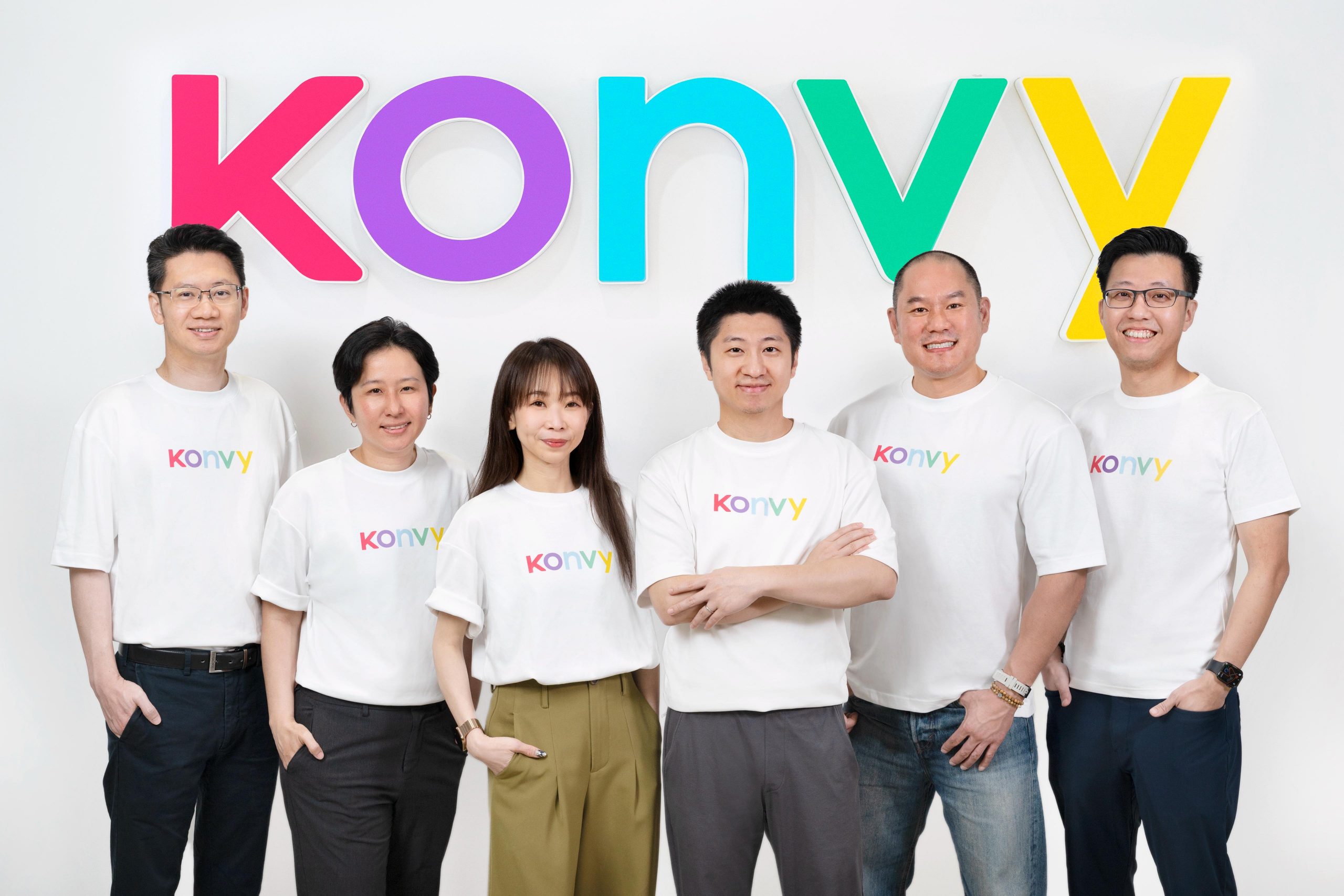
Photo credit: Konvy
Tech in Asia data shows that the most crowded category within beauty commerce in Southeast Asia is cosmetics and personal care, accounting for 41 brands out of the 64 startups tracked in this landscape map.
However, nine of the last 10 funding rounds for Southeast Asian brands were raised by beauty marketplaces.
The most recent raise came in May this year, when Thailand-based beauty ecommerce firm Konvy raised US$22 million in a series B round. The firm, which sells beauty and healthcare products both offline and online, plans to expand its presence in Malaysia and the Philippines with the new capital raised.
Different regions, different strengths
The rise in disposable income in Southeast Asia and the region’s growing young and internet-savvy population have been driving ecommerce growth.
Rapid urbanization has also introduced global beauty standards to local consumers, increasing demand for premium offerings, Andrew Quach, the Asia-Pacific director of partnerships at B2B SaaS firm Anchanto, noted in a LinkedIn post.
Among the brands Tech in Asia tracked, Indonesia has the largest number of beauty commerce startups. Within the archipelago, more than half were cosmetics and personalized care brands.
The most recent funding round in Indonesia was in Esqa, a cosmetics and personal care firm, in 2024. The company operates its own marketplace but also offers its products in platforms such as Shopee, Sociolla, and Sephora. It focuses on vegan and cruelty-free makeup.
While a large part of Southeast Asia’s beauty commerce market is highly price-sensitive, more consumers, particularly those in developed economies, are gravitating toward premium options, Quach says. For instance, in markets like Singapore and Thailand, consumers are shifting to luxury offerings like SK-II.
Citing industry data, Quach notes how Vietnam alone commands 57% of the region’s online beauty sales, outpacing Thailand, Malaysia, the Philippines, and Singapore.
A more social landscape
The C-beauty conundrum
Share, tag us, and land on our Wall of ❤️ !
Stay ahead in Asia’s tech landscape
This is premium content. Subscribe to read and use our charts, graphics, and other visuals legally
Indonesia is one of the most competitive spaces in beauty, home to more than half of the brands that Tech in Asia has tracked in the region.
We know this is not ideal. ⌛ Sign up in 20 seconds. Cancel anytime.
Our subscriber community includes professionals from these companies:





Stay updated on the go with our mobile app.
Get latest insights with smoother, more personalized experience through TIA mobile app.