 Jonathan Chew · · 4 min read
Coins and Controls: a breakdown of Southeast Asia’s crypto regulations (Malaysia)
Charts and visuals, only for subscribers
When it comes to crypto rules, it appears that Malaysia is more comfortable playing it safe than sorry.
Generally speaking, financial authorities in the country have operated on a whitelist method – investors can only trade seven approved tokens or coins: Bitcoin, Ether, XRP, Litecoin, Bitcoin Cash, Link, and Uni. This is heavily regulated by the Securities Commission Malaysia (SC), and officially licensed exchanges in the country must abide by this whitelist.
Here’s a look at how Malaysia’s regulatory environment for cryptocurrencies got to this point:
Click on each section of the infographic to find out more
Mass protection
Like most jurisdictions, heavy regulations are meant to act as protection for general consumers.
Many retail investors these days aren’t very well-versed in protecting themselves against investment risks because they don’t need a high level of research or education to get started, says Wilson Chin, head of marketing at Tokenize, a Malaysia-based digital asset exchange (DAX) platform.
“You have to keep in mind that it’s so easy to start investing these days,” he continues. Consequently, the onus is on regulators and market operators to protect this growing consumer base.
Growth figures back this up – while adoption has slowed over the past year or so due to the crypto winter, there was a strong uptick in interest from Malaysian investors leading up to that.
Putting a lid on it
In general, Malaysia’s extremely strict regulations put a cap on the types of products or services that local firms can provide.
Licensed or regulated companies can’t offer leveraged investing, staking or even meme tokens like Dogecoin, among other things.
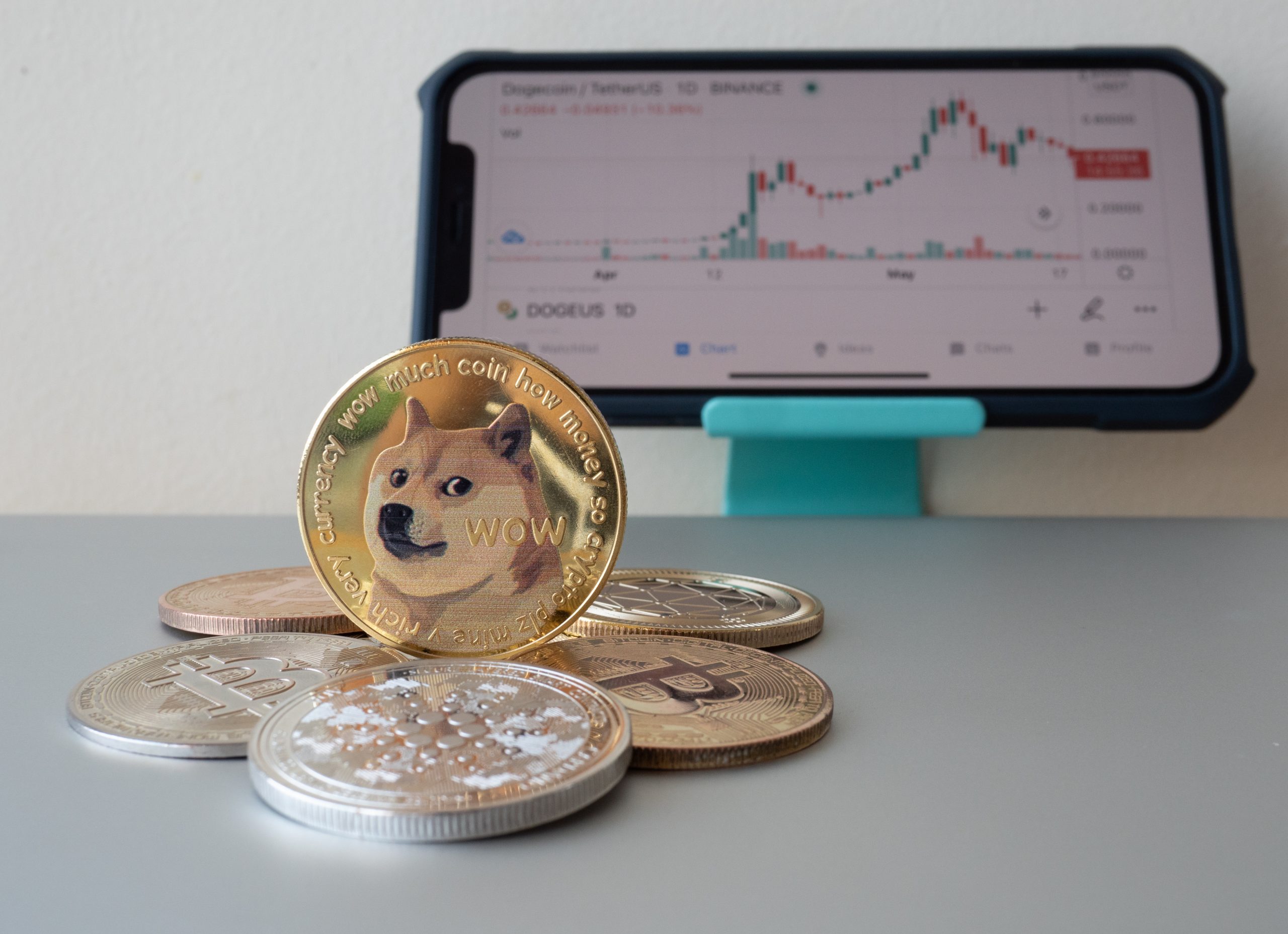
In particular, meme tokens (or shitcoins, as they’re often called) might not have much luck with the SC, given that there’s a long list of stringent criteria that a product or service has to meet before it can be whitelisted.
“The regulators will look into things like the founders’ backgrounds, distribution of coins, number of nodes, as well as risk of market manipulation and pump-and-dump schemes,” explains David Low, general manager of Luno’s Asia-Pacific business.
Essentially, the SC will only approve of traded tokens that are “credible,” he says, and that’s something the memecoins don’t have.
Hand in hand
Share, tag us, and land on our Wall of ❤️ !
Stay ahead in Asia’s tech landscape
This is premium content. Subscribe to read and use our charts, graphics, and other visuals legally
We lay out how Malaysia’s regulatory environment developed and what it means for crypto firms.
We know this is not ideal. ⌛ Sign up in 20 seconds. Cancel anytime.
Our subscriber community includes professionals from these companies:





Stay updated on the go with our mobile app.
Get latest insights with smoother, more personalized experience through TIA mobile app.