- Premium Content It takes our newsroom weeks - if not months - to investigate and produce stories for our premium content. You can’t find them anywhere else.
 Paige Lim · · 5 min read
SG brands flock to ‘Chinese Instagram’ to woo mainland customers
A growing number of Singaporean retail brands are betting big on Chinese social media platform Xiaohongshu to attract spending from Chinese tourists and nationals based in the city-state.
Some businesses work with digital marketing agencies to tailor content strategies to the app or engage influencers on the platform.
Xiaohongshu – which translates to “little red book” – is among China’s fastest-growing social media and ecommerce apps, with over 300 million monthly active users.
Founded in 2013, the platform – which features user-generated fashion, beauty, lifestyle, and travel content – has been compared to Instagram.
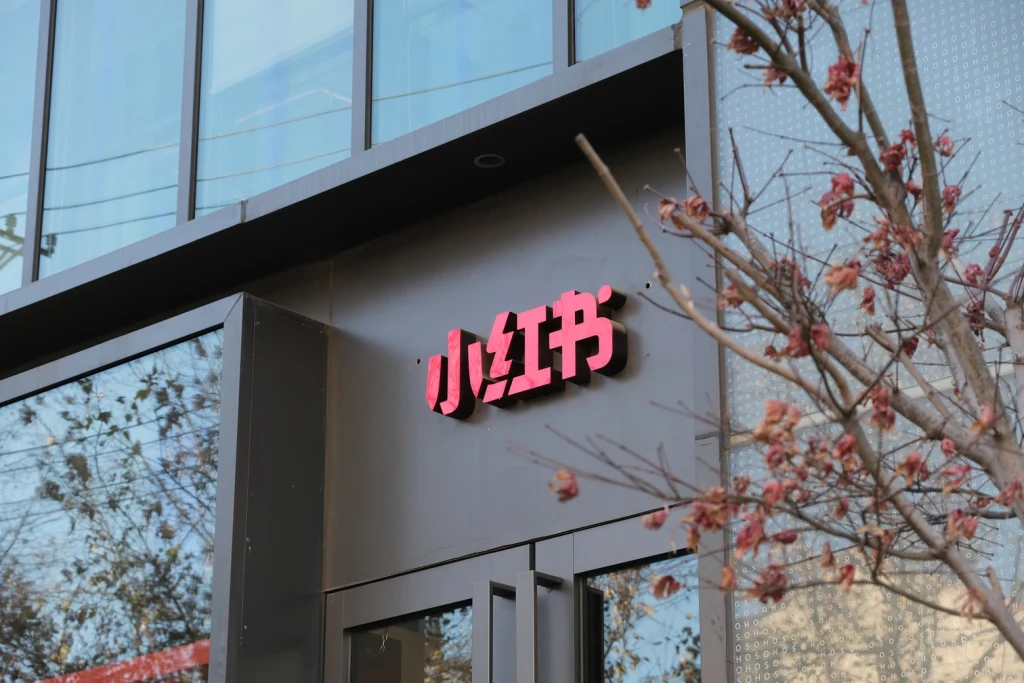
Chinese social media and ecommerce platform Xiaohongshu has 300 monthly active users./ Photo credit: Shutterstock
Retail players and observers told The Business Times that Xiaohongshu is popular with the Chinese-speaking community in Southeast Asia too, particularly those in Malaysia.
Over the past year, digital marketing agency Prizm Group has seen a 65% increase in inquiries by Singaporean brands about marketing on Xiaohongshu, said Wendy Toh, who heads Prizm’s account management team.
While some firms have experience with Chinese platforms such as WeChat or Weibo, they are now looking at Xiaohongshu “to enhance their brand image and stay relevant in the market,” she added.
“As Chinese tourists return to Singapore, brands are increasingly focusing on this audience and recognizing Xiaohongshu as a trending platform among both Chinese tourists as well as Chinese Singaporeans.”
China was the top source of visitors to Singapore in the second quarter of 2024, with 660,000 visitors. It was also the top market for tourism receipts for the city-state during the same period – contributing S$965 million (around US$731 million) – though this excludes expenditures on sightseeing, entertainment, and gaming.
The Xiaohongshu push is part of larger efforts to woo Chinese spenders.
Li Xiuping, associate professor of marketing at the National University of Singapore Business School, has observed more stores in Singapore accepting WeChat or Alipay as payment methods. New brands are also exclusively selling products imported from China, she added.
“These trends show how Singapore’s retail market is adapting to Chinese consumer preferences through localized payment options, familiar products, and interactive sales channels such as livestreaming.”
See also: Shopee’s YouTube tag team a retort to TikTok-Tokopedia
Banking on Chinese spending
Cracking the Xiaohongshu algorithm
Stay ahead in Asia’s tech landscape
This is premium content. Subscribe to read the full story.
However, mastering the platform requires new strategies, and brands making false or exaggerated claims risk being banned.
We know this is not ideal. ⌛ Sign up in 20 seconds. Cancel anytime.
Our subscriber community includes professionals from these companies:





Stay updated on the go with our mobile app.
Get latest insights with smoother, more personalized experience through TIA mobile app.