Harsimran Julka · · 2 min read
Are rickshaw ride apps a flop in India? Uber’s withdrawal raises big doubts
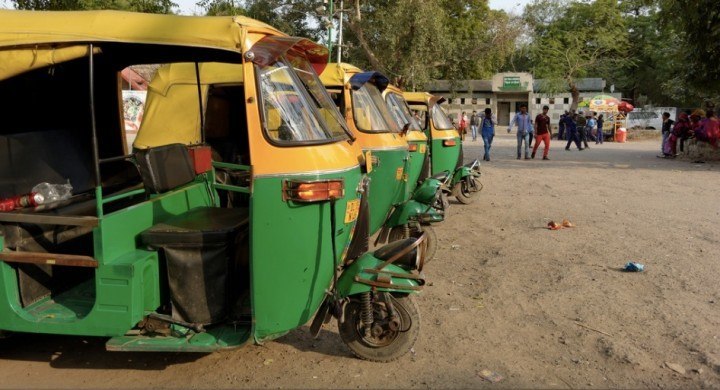
Photo credit: Ronit Bhattacharjee
Uber’s quiet withdrawal of its auto-rickshaw aggregation service in Delhi, India’s capital city, has put a question mark on the viability of the business model at a time when others in the space such as MGaadi and AutoWale have also failed to raise big money or scale up.
Auto-rickshaws are three-wheeled public transport vehicles in India, quite like the tuk-tuks of Southeast Asia.
Tech in Asia reached out to Uber about its latest move (hat-tip to Quartz for spotting it first). This is what the company said:
At Uber, we continuously experiment with products to ensure that we can provide the most efficient, affordable and convenient ride to everyone everywhere. We are temporarily removing this product to solve specific problems that need to be resolved to help it scale.
It didn’t specify what those problems were.
Uber had launched the three-wheeler product on its app just seven months ago.
Companies such as Ola and Uber were offering extra incentives per trip for drivers to log on to their platforms but they could not scale it due to various reasons, primarily related to customer adoption. Their own taxi products also competed with the auto-rickshaw offering, which often had higher rates per kilometer.
In many Indian cities, auto-rickshaw rates are as high as INR 11 to INR 13 (US$0.16 to US$0.19) per kilometer compared to INR 7 (US$0.10) offered by UberGo, Uber ’s lower-end product. Then, there are factors of convenience that make cabs score over auto-rickshaws, despite a base fare they charge. In many Indian cities, auto-rickshaws either don’t have meters installed or their drivers decline to ply by meter rate, fleecing customers. This challenge prompted many companies to start online aggregation. The apps would also calculate ride fare, based upon GPS data. However, many city transport departments such as Delhi’s have come up with new meters that even print out receipts after a trip ends, thus negating need for the apps.
Delhi’s own app fails
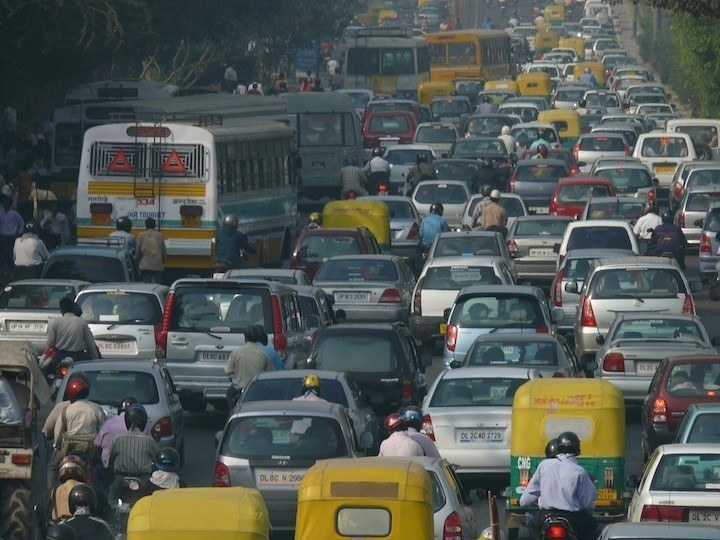
Photo credit: Lingaraj GJ
The Delhi government’s own app called Poocho (meaning Ask in Hindi), which aggregates auto-rickshaws has failed in the market, primarily due to nil incentive for a driver to take bookings.
I have tried to book an auto through Poocho in vain a few times.





Stay updated on the go with our mobile app.
Get latest insights with smoother, more personalized experience through TIA mobile app.