- Premium Content It takes our newsroom weeks - if not months - to investigate and produce stories for our premium content. You can’t find them anywhere else.
 Gabriel Budi Sutrisno · · 6 min read
Regional cross-border payments open new growth avenues for Indonesian fintech
In May 2022, Bank Indonesia (BI), the country’s central bank, signed a memorandum of understanding with its counterparts in the Philippines, Malaysia, Singapore, and Thailand to introduce a cross-border payment system based on quick response (QR) codes.
With this, Indonesians will be able to transact in participating countries without needing foreign banknotes. They can do so via their Indonesian bank apps or local payment platforms such as Dana and LinkAja.
“QR standards, fast payments, and local currencies will all be interconnected,” BI governor Perry Warjiyo said when announcing the international agreement.
The deal came to fruition in September 2022, with Thailand becoming the first country to officially implement the system. Malaysia followed suit in May this year.
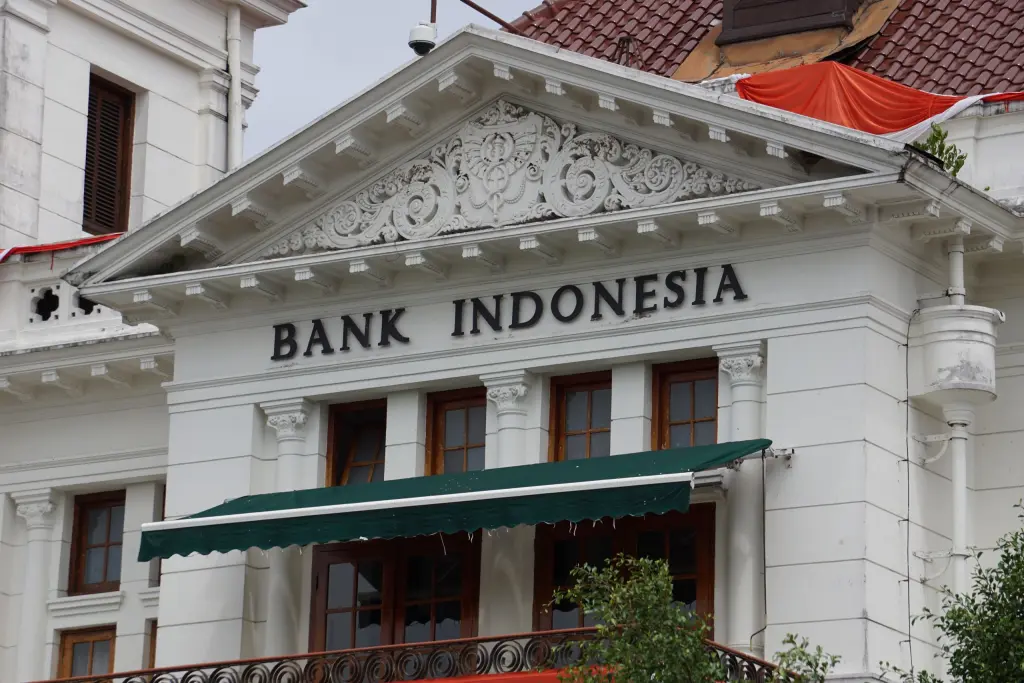
Bank Indonesia heritage building in Yogyakarta / Photo credit: Shutterstock
BI has targeted to launch the payment linkage with Singapore by end-2023 and with the Philippines by next year.
There’s also a strong possibility that a similar move will be made with other markets such as Vietnam and Japan.
According to BI deputy governor Filianingsih Hendarta, cross-border payment link-ups worldwide have seen substantial growth over the past few years.
Lessons from Indonesia
While cross-border payment systems allow the international expansion of financial institutions, they also increase competition domestically due to incoming foreign players. This is why Vincent Iswara, co-founder and CEO of Dana, initially responded cautiously to such innovation in Southeast Asia.
However, he eventually realized that a cross-border payment linkage is necessary for the Southeast Asian financial ecosystem to mature, which will help fintech players such as Dana grow faster.
Iswara drew an analogy with the different phases of QR code roll-out in Indonesia. He recounted that when the tech was first introduced, each e-wallet had its own unique code.
To dominate the market, a company had to acquire the most merchants or even establish exclusive partnerships with brands, Iswara said in a recent discussion.
Then, the Quick Response Code Indonesia Standard (QRIS) with universal QR codes emerged. Such codes can be processed through any digital wallet, so e-wallet providers are required to share merchants, eliminating the exclusivity that existed previously.
A Southeast Asian Union?
Anticipating new security vulnerabilities
Stay ahead in Asia’s tech landscape
This is premium content. Subscribe to read the full story.
Five months after its launch in September 2022, Indonesia’s QR payment service in Thailand had racked up half a million dollars in transaction value.
We know this is not ideal. ⌛ Sign up in 20 seconds. Cancel anytime.
Our subscriber community includes professionals from these companies:





Stay updated on the go with our mobile app.
Get latest insights with smoother, more personalized experience through TIA mobile app.








📅 Upcoming Events
22 October 2026
Payoneer x CSPN Summit 2026