Sign up for the Daily Newsletter, sent exclusively to our Premium subscribers. We break down the big and messy topics of Asia’s tech and startup community. Get the newsletter in your inbox everyday with a Premium subscription.
Hello reader,
I’m a strong believer in second chances, and I don’t hold this conviction out of blind faith. As with any situation, context matters. But time and again throughout my career and personal life, I’ve witnessed people and organizations rise to the occasion when given a new lease on life.
Apple is perhaps one of the most famous examples of businesses taking advantage of the second chances that come its way.
The world’s most valuable company was on the rocks in 1997, when then CEO Steve Jobs claimed that the firm was 90 days away from going broke. However, a series of hit products – including the iPhone – released shortly after ensured the company made a roaring resurgence.
But comebacks don’t always have to dazzle. One entrepreneur I know of had the perseverance to chop and change his business numerous times in the last six years before landing on a winning formula. In July, his firm closed a Y Combinator-led pre-series A fundraise.
Maybe it’s the invaluable experience of being allowed to learn from mistakes or the painful taste of failure that builds resilience and drives these firms on to greater things.
However, HappyFresh, the company we wrote about in today’s featured piece, will need to rip a page or two out of its survival playbook.
The e-grocery startup has reportedly hired a turnaround firm hoping to reverse its ailing fortunes. In our recent coverage, Tech in Asia details the current, chaotic state of affairs, including delayed salaries and “inactive” top C-suite executives, that has seen the troubled Indonesia-based company lose its way.
Today we look at:
- HappyFresh in limbo
- The seed round of Indonesia-based food startup Uena
- Other newsy highlights such as wealth tech’s rise in Singapore and BillEase’s US$20 million debt facility
Premium summary
Turning smiles upside down
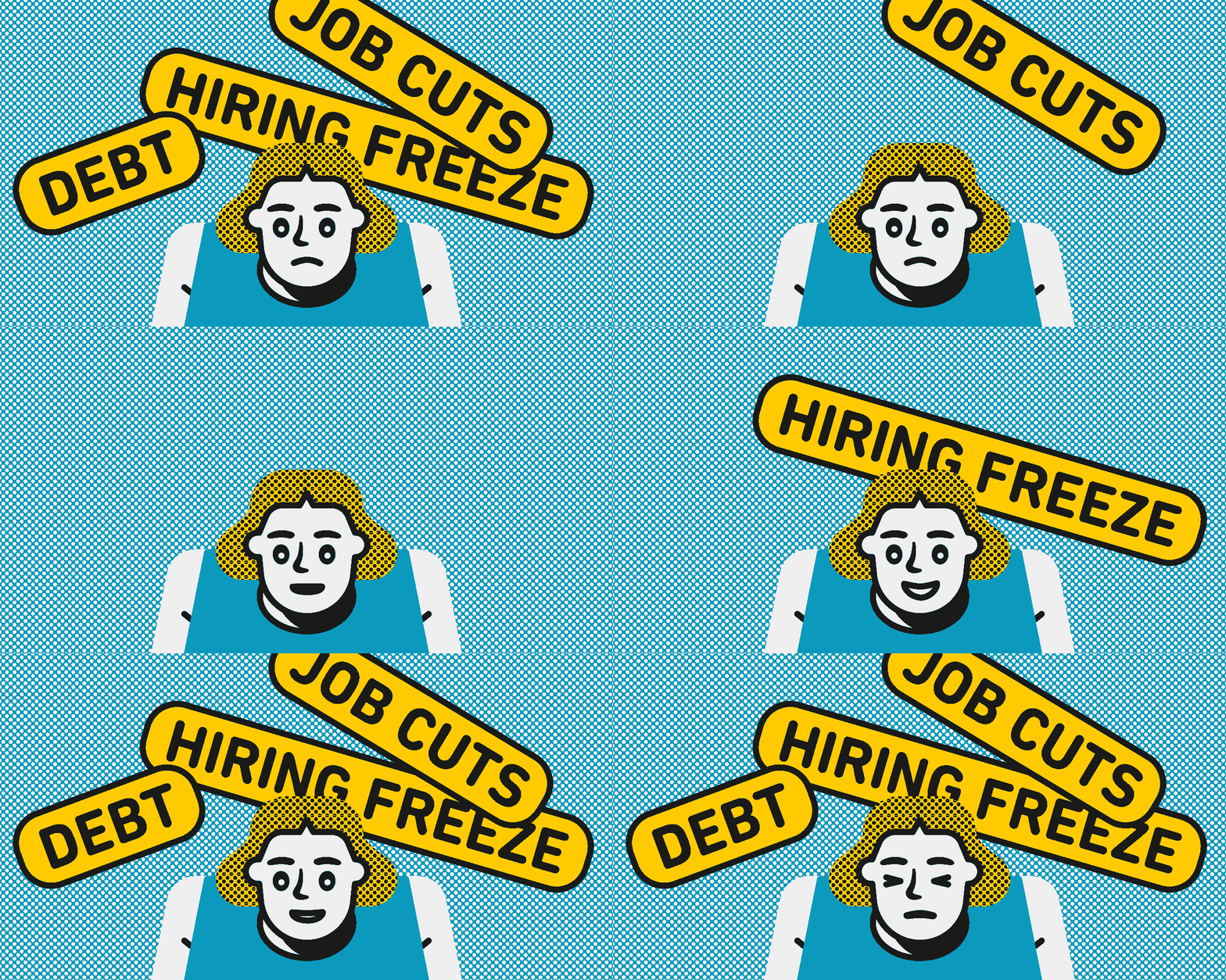
Image credit: Timmy Loen
Make no mistake, a lot of HappyFresh’s misery may largely be self-inflicted. As an employee pointed out, an over-reliance on promotions, coupled with utilizing a business model more suited to super apps like Grab and Gojek, ensured the firm did not make the most of the e-grocery segment’s rise during the pandemic.
Is this the dollar store?
Don’t miss your chance to be at Tech in Asia Conference 2022!
Quick bytes





Stay updated on the go with our mobile app.
Get latest insights with smoother, more personalized experience through TIA mobile app.












📅 Upcoming Events
22 October 2026
Payoneer x CSPN Summit 2026