This article is a part of Startup Spotlight, a series that features young, up-and-coming startups.
This article is brought to you in collaboration with the Slingshot deep tech startup competition, held at the Singapore Week of Technology and Innovation.
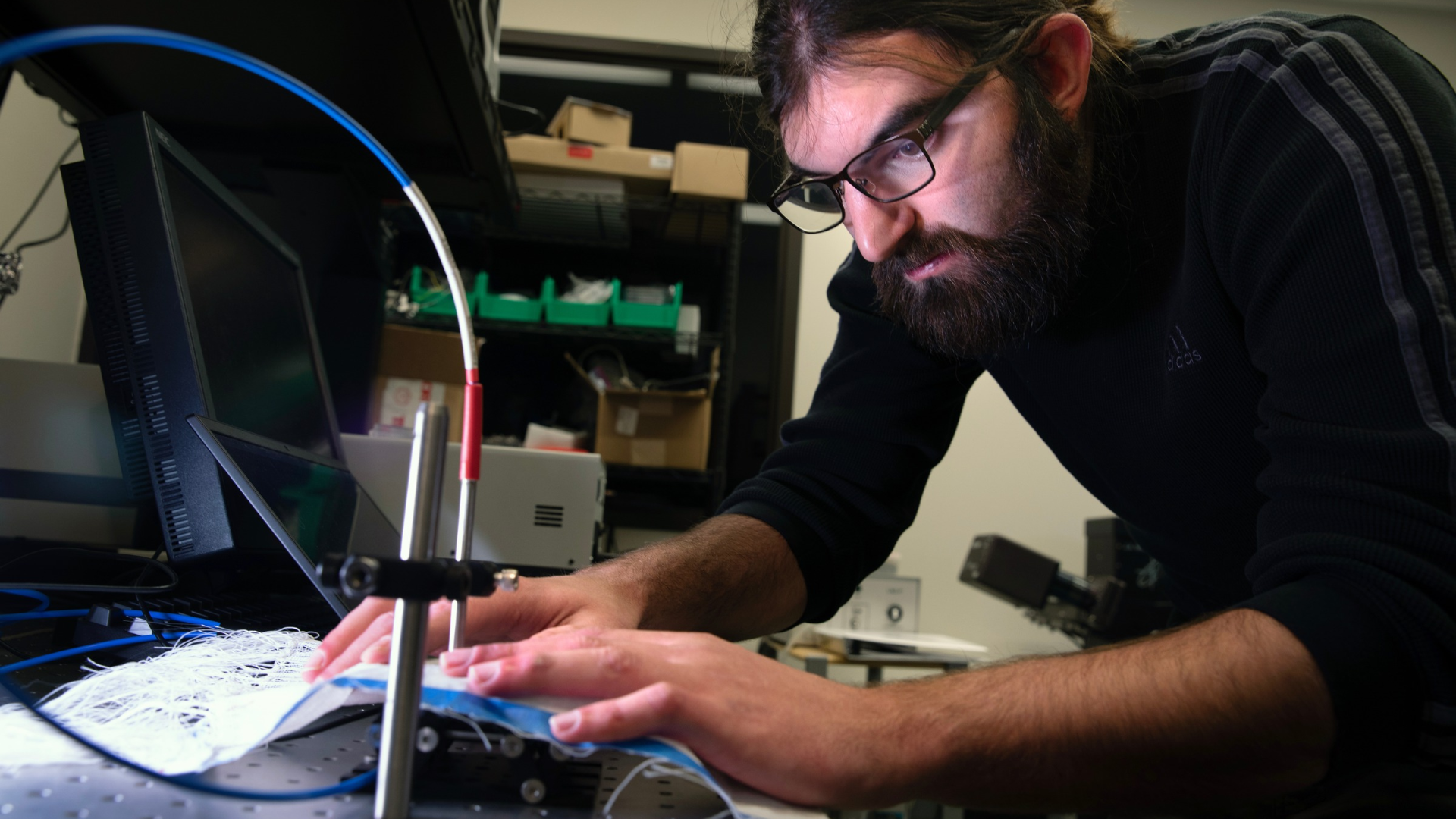
Photo credit: Fibarcode
Fibarcode emerged from bio-inspired research conducted during CEO Brian Iezzi’s doctoral studies. The startup aims to modernize garment labeling for a circular economy, targeting outdoor and performance apparel brands that manufacture textiles.
😟 Problem
The European Union imports an estimated US$441 billion in textiles annually. By 2028, new regulations will require a digital product passport for every sold item. This passport must include traceability data and last the garment’s lifetime.
Traditional labeling solutions like hang tags and sewn-in labels, frequently detach or become illegible. Nearly 194,000 companies operating in the region must adopt compliant systems. Non-compliant items will face holds at ports of entry.
💡 Solution
Fibarcode produces an engineered fiber containing a spectroscopic barcode called IdentiFyber. This optical identifier is integrated directly into fabrics during standard manufacturing processes.
The system provides several key capabilities:
- Embedded tracking. Uses standard thermoplastics like polyester and nylon to embed unique identifiers directly inside the fabric.
- Rapid readout. Allows reverse logistics workers to scan the barcode using affordable handheld devices.
- Circular design. Enables the integrated fibers to undergo standard chemical recycling processes at the end of their lifecycle.
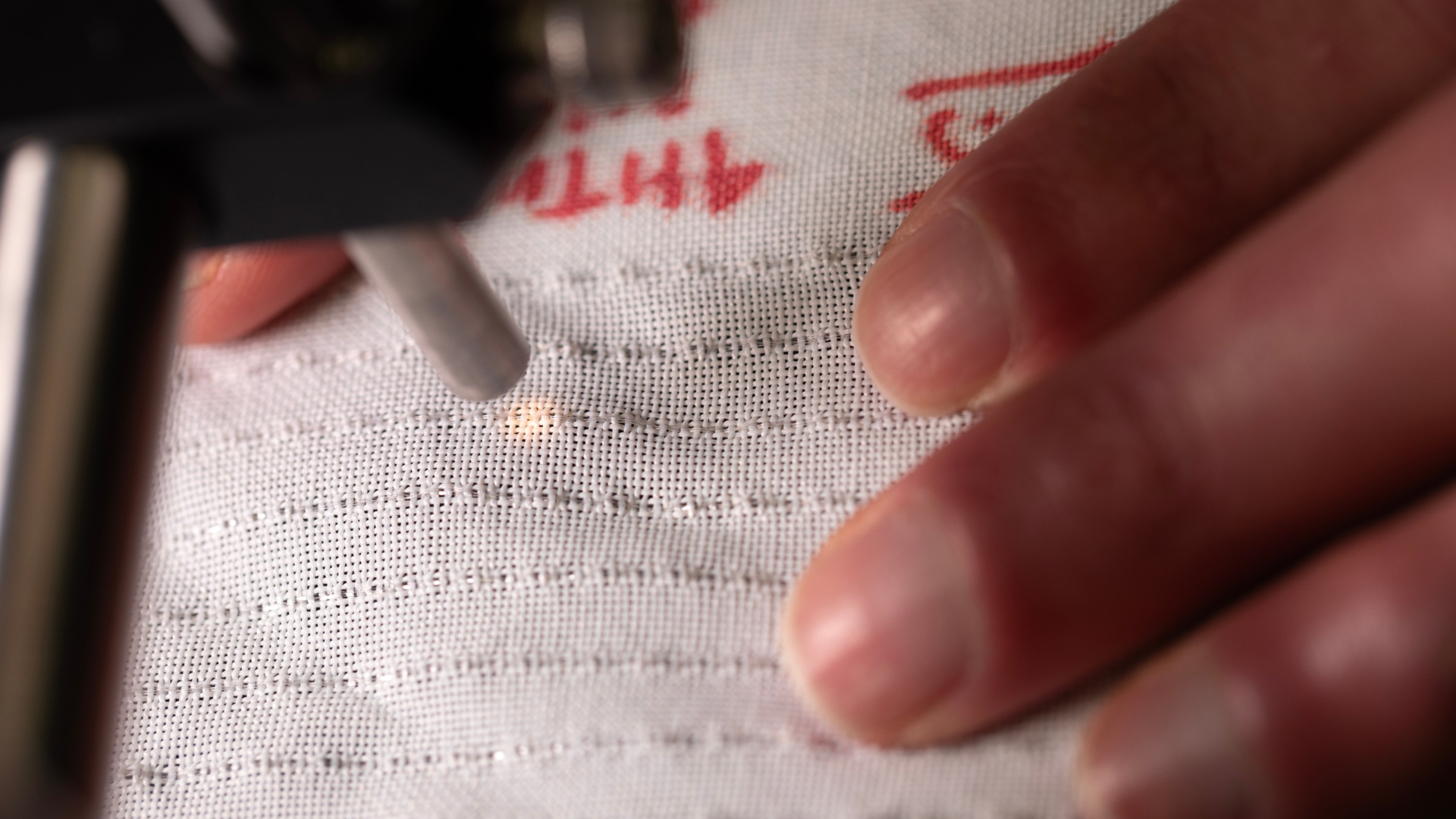
Photo credit: Fibarcode
📊 Market size
Digital product passports, which are digital records tracking a product’s origin, composition and lifecycle, form a global market valued at US$338 million in 2025 and expected to reach US$7.85 billion by 2035.
The fashion industry is expected to grow at the highest rate among end users, with a compound annual growth rate of 45%
🤝 Team
- Brian Iezzi. Founder and CEO. He has a background in sustainability leadership, materials research, and textile innovation, including experience at Pardale Mills and MIT Lincoln Laboratory.
- Mars Harvey. CTO. A polymer scientist and textile designer, he graduated from NC State University’s Wilson College of Textiles and previously worked as a designer at Fox River Mills.
- Molly Renaud. Chief data officer. She previously worked as a business intelligence manager at Verizon.
🚀 Traction
🏆 Competition
💰 Financials
🚩 Risks













📅 Upcoming Events
30-31 March 2027
Upskill Fest