- Insights This article was written by a TIA community member. Insights pieces undergo the same rigorous editorial process that newsroom-produced articles have.
 Hans Tung · · 9 min read
Why ‘timing is everything’ in tech, explains iPod creator Tony Fadell
This article is from an episode on GGV Capital’s 996, a podcast about tech and entrepreneurship in China hosted by Hans Tung and Zara Zhang. This is heavily revised from the original show transcript. For the full interview, go here. You can listen to the 996 Podcast by searching “996” in any podcast app.
Tony Fadell is the inventor of the iPod, co-inventor of the iPhone, and founder and former CEO of Nest Labs – a pioneer of the internet of things. He is currently the principal at Future Shape, an investment and advisory firm that coaches deep tech startups.
Fadell was the senior vice president of Apple’s iPod division and led the team that created the first 18 generations of the iPod and the first three generations of the iPhone. Throughout his career, Fadell has authored more than 300 patents.
Here, he discussed what qualities he looks for in entrepreneurs, how to discover the next game-changing technology, and how timing affects a startup’s success.
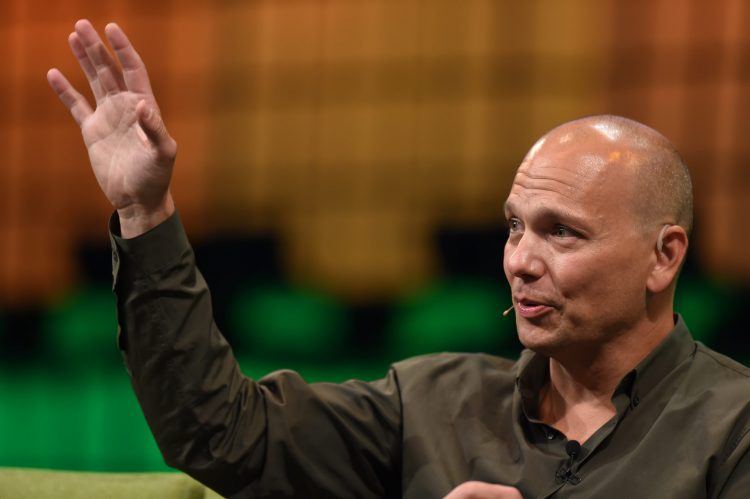
Tony Fadell, principal at Future Shape / Photo credit: Web Summit
What excites you these days?
Innovation is happening everywhere. I’m definitely excited by what I’ve seen in China. I first came to China in 2001 with the iPod. And visiting back after about five years, I’ve seen how much it has changed. It’s no longer just copycatting in a lot of ways but also innovating in ways never seen before.
I think of first-mover advantages all the time when I invest, but I also think of last-mover advantages. And when you think about China at the time when there wasn’t a lot of consumer credit, it’s good to see how the people used the best technology, made it themselves, and created things the world has never seen before. It’s not just about taking old systems and innovating them, but creating new things. It’s about technology being applied to new spaces.
I left Apple because after 18 generations of iPod, the 19th one was pretty predictable. I think you can also pretty much predict what the next smartphone wave will look like, and that’s not fun. What you want to do is be on the cutting edge to create something that’s changing.
How can you tell if a team is just doing a “science project” or something truly revolutionary?
Ask them what their mission is and what they’re really trying to do. If they’re just trying to find more money to continue their research from college, it’s very clear that they don’t think about the business implications. They just want to keep having fun doing what they’re doing.
But if they say, “I have this technology and it can change the world in these dramatic areas,” and state some business or market case for it, that’s when you know it’s something interesting.
We see a lot of great demos – nothing wrong with robotics and all those cool AI projects they’re running – but I keep wondering, “What need are we filling? What are we really fixing?” And I ask teams, “In 10 years, when you wake up, what are you going to have on your resume to show that you have built something great?” And that something shouldn’t be just another product or demo but a business that will last beyond your time at the company.
What do you consider to be the right problem to solve today?





Stay updated on the go with our mobile app.
Get latest insights with smoother, more personalized experience through TIA mobile app.







📅 Upcoming Events
22 October 2026
Payoneer x CSPN Summit 2026