IN FOCUS
In today’s newsletter, we look at:
- The problems cropping up in agritech get more intense
- Regenerative farming attracts green investment
Welcome to On the Rise! Delivered every Tuesday via email and through the Tech in Asia website, this free newsletter spotlights emerging startups and the biggest trends in the tech ecosystem. If you’re not a subscriber, get access by registering here.
Hi there,
Have you ever had a houseplant so sensitive that whatever you seem to do with it – watering it regularly, keeping it in direct sunlight, perhaps even fertilizing it – it seems to just continue dying?
It took me almost two years of becoming a plant parent before I finally realized what almost always works best: leaving them alone. The fundamental error I used to make was overwatering the plants to the point that I was drowning them.
When we want something to work so badly, we tend to overanalyze. Turns out, at times, going the uncomplicated route is the better path. Many agritech startups had to learn this same lesson in recent years.
In our Big Story, my colleague Glenn asked insiders in the vertical about the reason behind the recent spate of layoffs in agritech startups in Indonesia and India.
What ails agritech, and how can it come back?
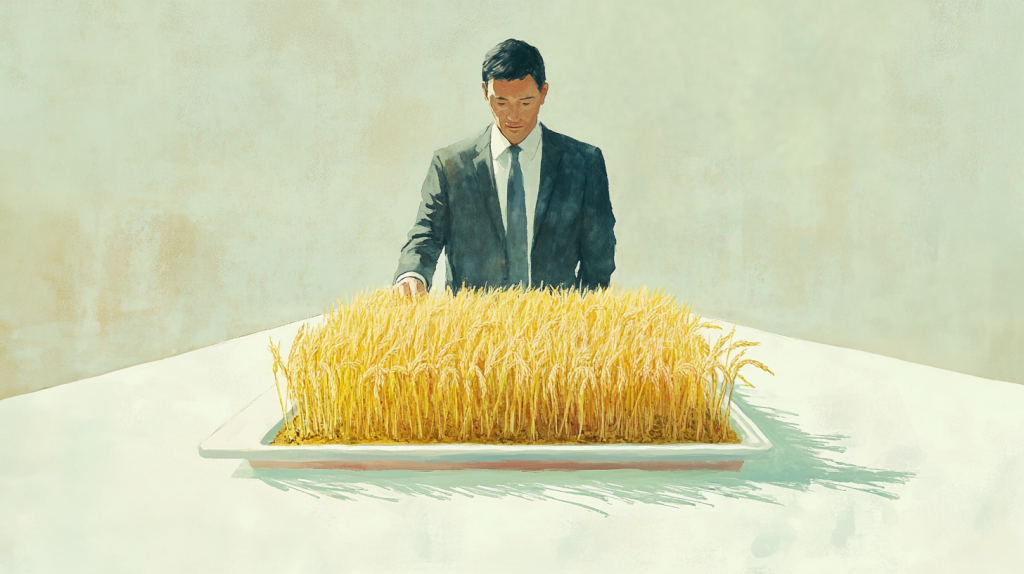
Image credit: Made by Tech in Asia using Midjourney
After a funding boom in 2022, reaching a peak of US$513.2 million, the industry has faced a capital drought.
Profitability has become more elusive for agritech firms. One startup founder says many in the sector may be hurting themselves more by taking out the middleman in the picture. Another says incentivizing farmers for using a startup’s tech product, instead of monetizing it, could be a more worthy endeavor in the long run.
There are no silver bullets here though. For instance, a business model that works for an agritech startup in one region, may not exactly work in another.
Farmers’ back-to-basics approach attracts investors’ attention
That said, there is one emerging path to profitability in the sector that farmers and even residents in Asia could stand to benefit from: regenerative agriculture.
The World Economic Forum defines this as “a way of farming that focuses on soil health.” It includes planting crops without any tilling and decreasing the use of fertilizers and pesticides.
Deep Reads
Hear Razer’s CEO share his vision for the future of gaming at this exclusive C-level event





Stay updated on the go with our mobile app.
Get latest insights with smoother, more personalized experience through TIA mobile app.