Welcome to Tech in Asia’s daily newsletter, your essential dose of Asia’s tech and startup buzz. Not yet a subscriber? Register here. Got a story tip? Send it to editors@techinasia.com.
In focus
- Quick commerce’s next bet
- Gopizza doubles down on India
- No insolvency and a reset for Udaan’s balance sheet
Hello reader,
The quick commerce frenzy in India is continuing at full speed. Still, the next phase of growth may not come from Mumbai, Bengaluru, or Delhi but from Tier 2 and Tier 3 towns.
Case in point: Peak XV Partners recently backed BazaarNow, a startup that’s building a quick commerce network specifically for India’s smaller cities. The company’s co-founder, a former Zepto executive, says that serving the next 700 plus cities “has to be built differently.”
A similar trend is taking shape across Southeast Asia. Shopee has expanded its instant delivery service across multiple markets, while Foodpanda is pushing its quick commerce offerings beyond capital cities in the Philippines and Malaysia.
In today’s first featured story, I break down the math for quick commerce in these underserved areas. The quick commerce business model is only beginning to show a path to profit in metro markets, so taking it to less densely populated areas will come with a new set of challenges.
From fast delivery to fast food, dig into our second featured story on Gopizza.
The tech-enabled pizza chain has shifted its focus from Singapore to India, which has emerged as its largest and fastest-growing market outside its home base of South Korea. For Gopizza, India is where the oven’s really firing up.
Samreen Ahmad, Journalist
Top Stories
1️⃣ Math of the town: Can quick commerce work outside big cities?
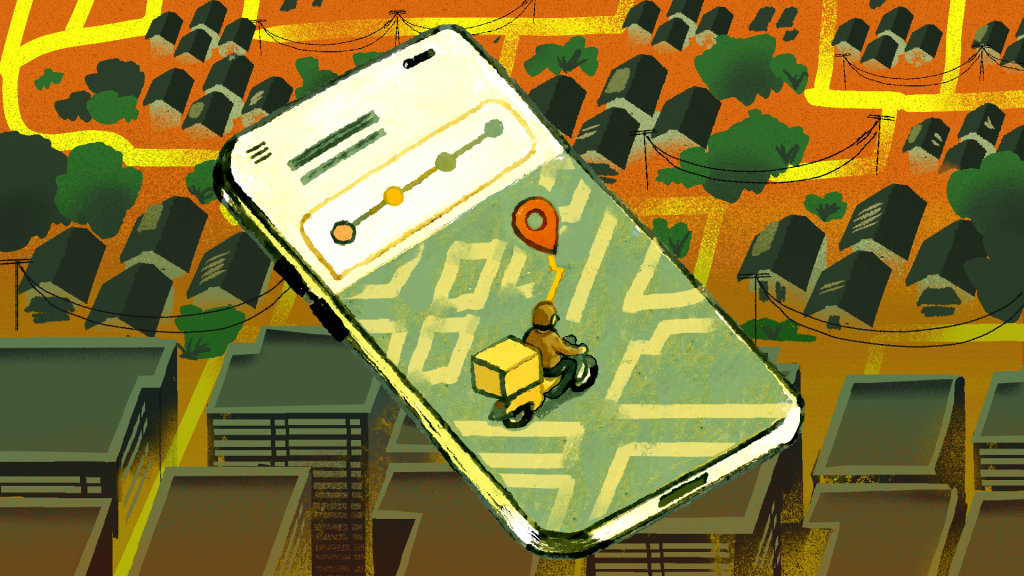
Image credit: Ulla
Cracking quick commerce beyond metro cities will require a different playbook. Startups can start this venture by helping mom and pop stores keep their supply consistent while simultaneously using the data from these small shops to understand local demand.
The lower traffic from these smaller cities also means a single warehouse can often serve an entire town. But employing riders directly could prove more economical in these areas, where there aren’t enough gig workers to go around.
Spotlight
Trending news
Showcase your functional AI products





Stay updated on the go with our mobile app.
Get latest insights with smoother, more personalized experience through TIA mobile app.













📅 Upcoming Events
22 October 2026
Payoneer x CSPN Summit 2026