Mark Magnier · · 4 min read
US-China telecoms battle will hurt 5G roll-out and innovation, experts say
The US and China’s race for primacy over fifth-generation mobile technology threatens to impede its rapid roll-out to consumers and broader society as well as inhibit innovation – but the rivalry is unlikely to end any time soon.
That was the view of technology experts addressing the future of 5G standards and the telecoms ecosystem at a conference focused on US-China issues in New York on Tuesday.
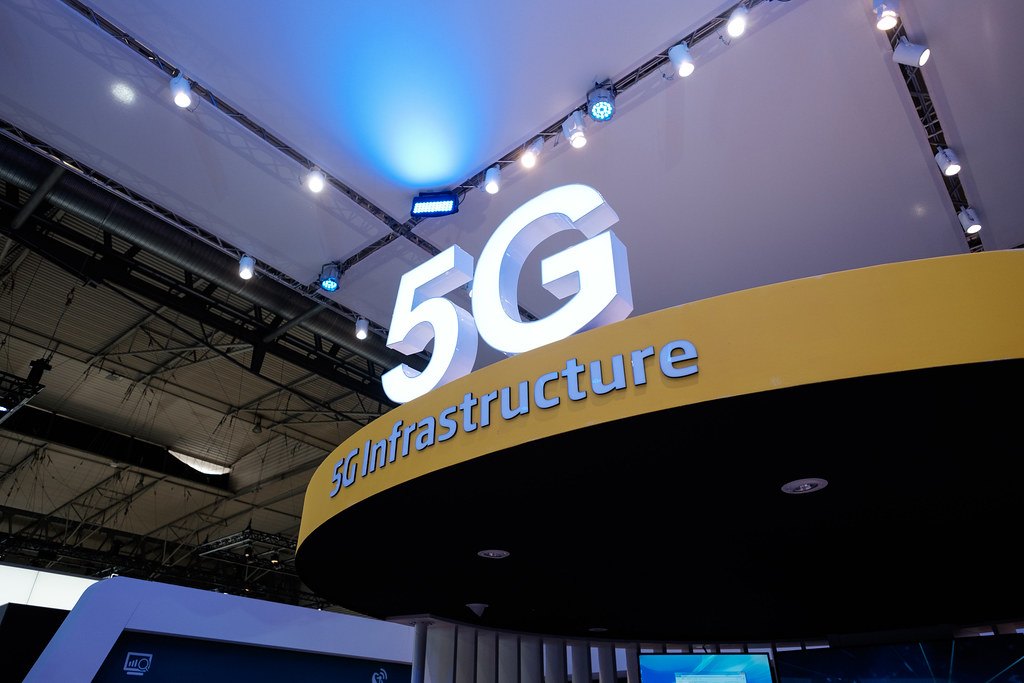
Photo credit: Kārlis Dambrāns
“It’s not really productive or accurate to talk about the race to 5G in a binary context or as a US-China race,” said Naomi Wilson, senior policy director with the Washington-based Asia Information Technology Industry Council, at “China Conference USA: Competition or Cooperation?” sponsored by the South China Morning Post.
“This focus on getting there first is pretty short-sighted.”
Panelists agreed that the ultimate objective is to see 5G technology – an advanced wireless technology that promises to greatly expand the amount of data available for a host of applications ranging from smart homes and autonomous vehicles to health care and entertainment – spread efficiently, safely, and in keeping with different countries’ data and national security requirements.
But Washington’s concerns over the potential for data leaks and espionage created by Beijing working closely with Chinese telecoms manufacturers has seen the US balk at adopting Huawei Technologies’ 5G network equipment.
This comes as the US and China face off in a massive trade war. The US has also pressured its allies to follow suit and ban the use of Huawei systems.
Adding to the tensions, Huawei’s chief financial officer, Meng Wanzhou, was detained in Vancouver, British Columbia a year ago at Washington’s request for allegedly breaching US sanctions on dealings with Iran. Meng, a daughter of Huawei founder Ren Zhengfei, remains under house arrest while fighting extradition.
Robert Atkinson, founder and president of the Information Technology and Innovation Foundation, said at Tuesday’s conference that the US-China 5G race involved two fronts: hardware and software.
On the hardware side, many Chinese assume that Washington’s resistance to the use of Huawei products is aimed at bolstering a US “national champion,” that is, a company that would lead the research, development, and deployment of US-based 5G hardware technology.
But, Atkinson noted: “We don’t have a national champion. It died.” While at one point Western Electric and its successor, Lucent Technologies, occupied that space, both telecoms companies collapsed due to bad management and strategic mistakes, he said.
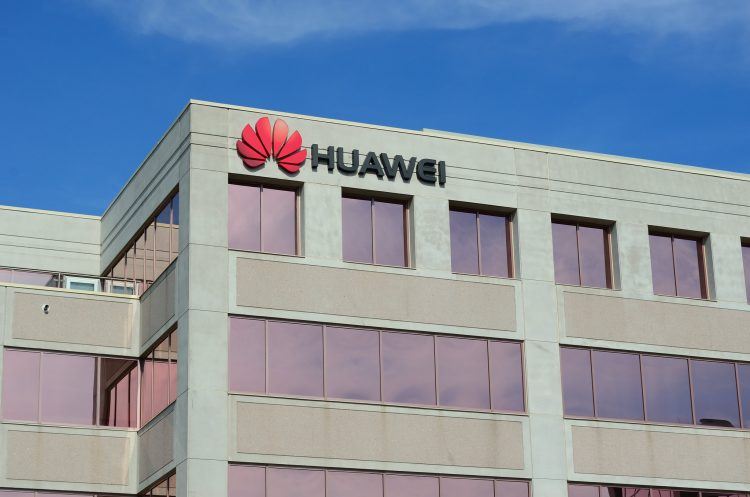
Photo credit: Open Grid Scheduler / Grid Engine





Stay updated on the go with our mobile app.
Get latest insights with smoother, more personalized experience through TIA mobile app.