- Premium Content It takes our newsroom weeks - if not months - to investigate and produce stories for our premium content. You can’t find them anywhere else.
 Elyssa Lopez · · 7 min read
Why small shops in the Philippines shun merchant accounts
Nerissa Elamil, who runs a vegetable shop in Quezon City, Philippines, says less than 10% of her store’s daily transactions, which range from US$260 to US$460, are cashless.
When they are, payments are made directly to her personal GCash e-wallet.
She’s not alone. About 90% of the 980,000 MSMEs in the country don’t use a business or merchant account with any formal financial institutions, as per a 2023 study by the Philippines’ central bank (BSP).
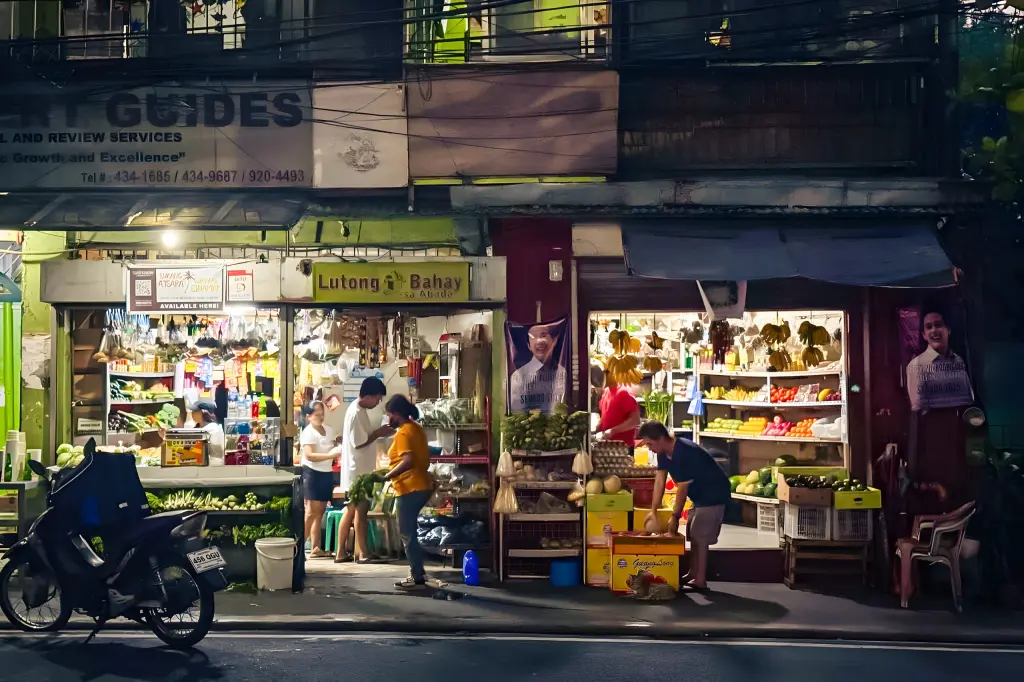
Nerissa Elamil’s vegetable shop in Quezon City/ Photo credit: Elyssa Lopez/Tech in Asia
While cashless payments have accounted for the majority of all formal transactions in the country since 2023, some business owners from Quezon City – its most populous city – say cash remains king.
The cost of keeping a merchant account may be “unmanageable” for a lot of micro and small entrepreneurs, Deputy Governor Mamerto Tangonan of the BSP’s Payments and Currency Management Sector tells Tech in Asia.
For instance, a laundromat owner on the same street as Elamil turned down a GCash sales representative’s offer for a merchant account, citing the associated fees.
GCash is the largest e-wallet in the country, with 94 million users. It also offers merchant accounts so business owners can accept payments from any e-wallet or bank account for up to 500,000 pesos (US$8,798) a month.
A merchant account typically charges a 2% to 3% rate per transaction, but a personal account can receive funds for free. However, personal accounts can receive only up to 100,000 pesos (US$1,760) in funds per month.
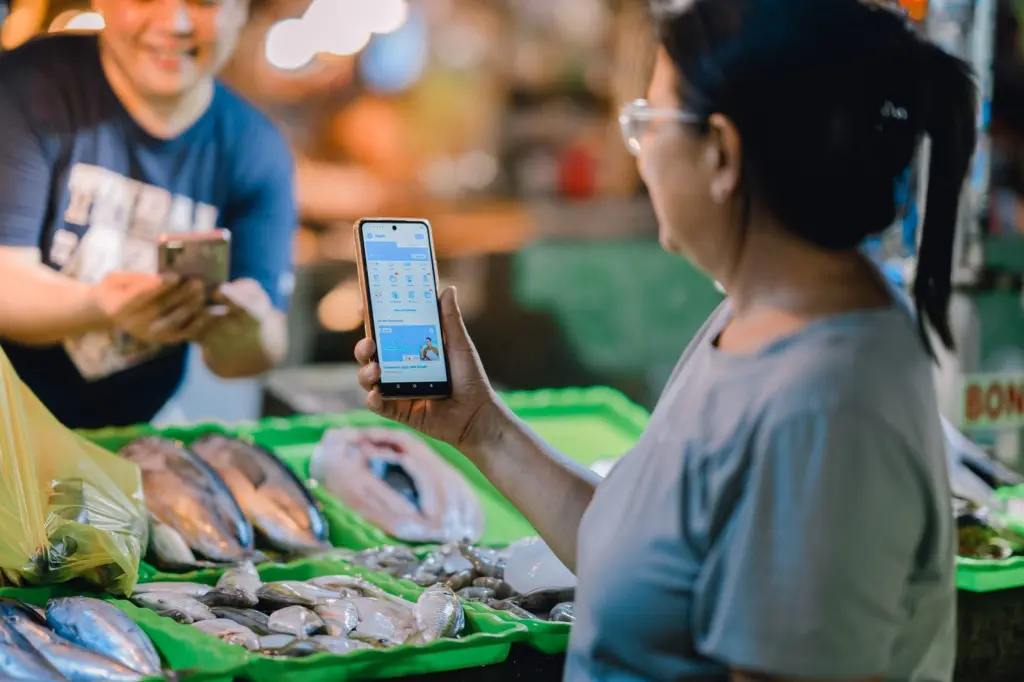
GCash is widely used by entrepreneurs, but they don’t always use merchant accounts. / Photo credit: GCash
Some small business owners have devised a workaround. The laundromat owner, for example, now manages two personal accounts on GCash.
Payment aggregators need to offer “value-added services that could complement the needs of a business owner,” Tangonan points out.
They risk keeping their business stagnant if they don’t, stakeholders say.
More than just payments
Easing application processes
Financing’s potential
Stay ahead in Asia’s tech landscape
This is premium content. Subscribe to read the full story.
Small merchants in the country are going for cashless payments, but they’re still reluctant to use business accounts.
We know this is not ideal. ⌛ Sign up in 20 seconds. Cancel anytime.
Our subscriber community includes professionals from these companies:





Stay updated on the go with our mobile app.
Get latest insights with smoother, more personalized experience through TIA mobile app.