Nadine Freischlad · · 4 min read
India vs. Indonesia: how investors like Sequoia think about it
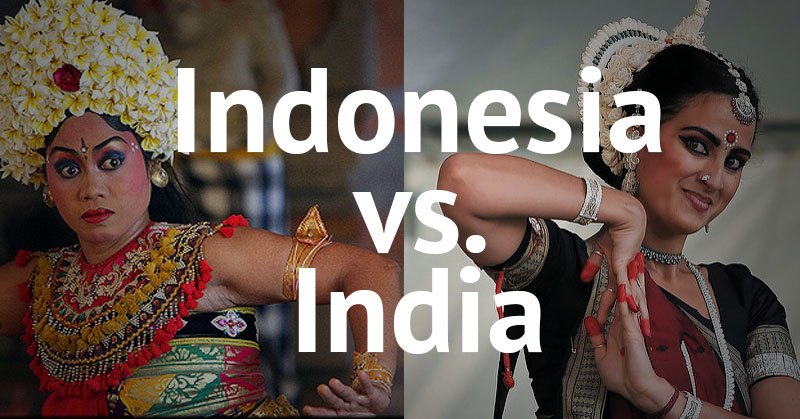
Photo credit: Brendan Lally (r) and W Sulisto (l).
India and Indonesia’s tech ecosystems have a lot in common. A popular thesis is that Indonesia lags five years behind and that we’ll see it follow a similar tech development trajectory.
In some ways that’s true. Venture capital flowing into Southeast Asia is at a similar level now as it was in India in 2011.
VCs and entrepreneurs familiar with both countries think it’s more complicated than that.
“It’s an apples to bananas comparison,” Dirk van Quaquebeke, partner at venture capital firm Beenext, put it. His firm began investing in early-stage startups in India and Indonesia some years ago.
Dirk had in on-stage chat with Pieter Kemps – partner at Sequoia Capital, a VC with big-ticket investments in both countries – and Amit Lakhotia, who recently joined Indonesia’s Tokopedia via India’s Paytm, at Tech in Asia Jakarta 2016.
The three came up with some unique ways to approach the Indonesia vs India question and tips that could help Indonesian entrepreneurs avoid some of India’s mistakes.
The power of Indomaret
Indonesia might lag behind India in things like the amount of venture capital flowing in, but it’s ahead in organized retail, Amit says. “Places like Indomaret and Alfamart do not exist in India.”
The two convenience store chains have thousands of outlets spanning the archipelago. Smart startups have begun incorporating these stores as online-to-offline transaction points for payments or product delivery.
Geography and logistics
India, with its many mega cities, sees a broader geographic distribution of wealth. In Indonesia, wealth is concentrated in Jakarta and a few larger cities, mostly on the island of Java.
Logistics, too, is better developed in India. But what might sound like a big disadvantage for Indonesian entrepreneurs can also be seen as an advantage.
An uneven distribution of goods in Indonesia means there’s a lesser need for discounting. If there are few options nearby, people don’t buy online primarily for cheaper prices but rather to have a wider variety to choose from.
Spending power
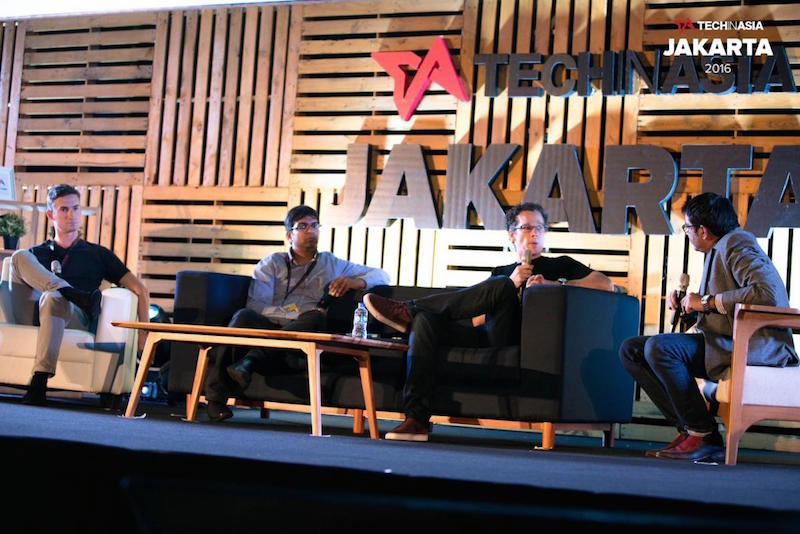
Dirk van Quaquebeke, Amit Lakhotia, and Pieter Kemps, in conversation with moderator Sudhir Syal (l-r).
Talent scarcity
Learning from India’s mistakes
Indonesia’s first wave is strong





Stay updated on the go with our mobile app.
Get latest insights with smoother, more personalized experience through TIA mobile app.