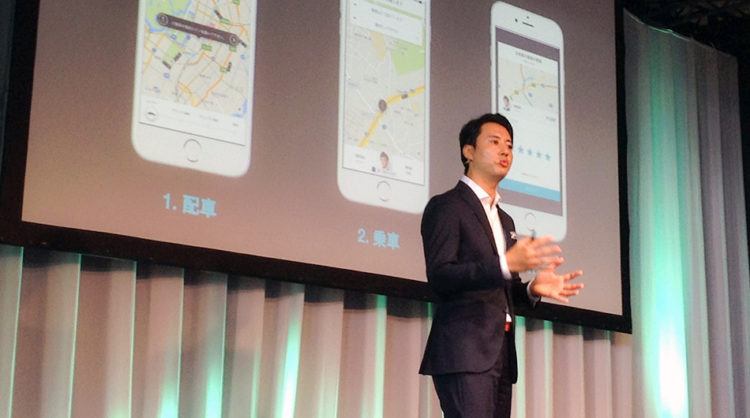
President of Uber Japan Masami Takahashi.
It’s time to get your eat on. UberEats is set to launch in Tokyo, its 34th city, with over 150 restaurants on board. Orders will be accepted starting from 11:00 am tomorrow.
Rumors of the launch were confirmed last month and I have personally seen a few bicyclists with giant UberEats bags the past few weeks in Tokyo. Japan has the most Michelin three-star restaurants in the world so this is an exciting proposition for the gourmet capital.
Lunch time
The average “salaryman” in Japan only spends around 20 minutes on lunch these days. That’s down from 33 minutes in 1983. The speed eaters prefer to eat alone while browsing on their smartphones and spend about US$5.80 for lunch. Low cost is cited as the most important factor when deciding on a meal.
Food from home is the most popular option with 35 percent of people packing a lunch followed by 20 percent of people buying a lunch box from a food stand or convenience store. This survey shows only 16 percent of workers eat out.
Building on technology
“Food brings people together and is the start of a conversation,” explains the president of Uber Japan Masami Takahashi, speaking today at UberEats’ official launch event. 60 percent of restaurants on the service are doing delivery for the first time. There is no added cost for restaurants. Masami says this will let chefs concentrate on food and not worry about increased fixed costs.
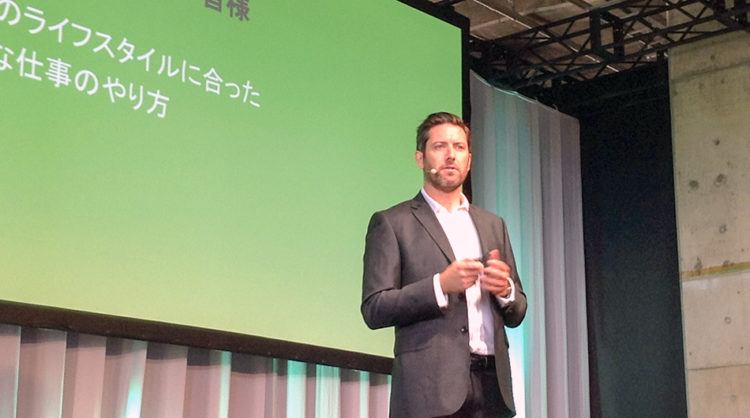
General manager for UberEats in APAC Simon Rossi.
“The cuisine is sophisticated, it’s progressive while traditional, it’s highly evolved,” says Simon Rossi, general manager for UberEats in APAC. The native Australian is extremely excited to see the service start in Tokyo which has more Michelin restaurants than Paris and the most restaurants per capita according to his research.
Blue ocean
Research shows that in 2014 only 5.4 percent of the food delivery market was for home delivery. Estimates do not show much of an increase in demand for consumers at home. But there is not much competition either.
While companies like Star Festival, which has raised nearly US$30 million, and its service Gochikuri do lunchbox delieveries, most companies focus on the traditional space of food for corporations. There are few companies like Grubhub and Seamless making home deliveries from multiple restaurants.
Uber has struggled with its transportation services in Japan – but could capitalize in the food space if it positions correctly. To succeed, the team will need to overcome a culture of quick bites in the office from homemade lunchboxes and the many number of convenient stores minutes away.
Editing by Michael Tegos
(And yes, we’re serious about ethics and transparency. More information here.)





Stay updated on the go with our mobile app.
Get latest insights with smoother, more personalized experience through TIA mobile app.












📅 Upcoming Events
22 October 2026
Payoneer x CSPN Summit 2026