- Insights This article was written by a TIA community member. Insights pieces undergo the same rigorous editorial process that newsroom-produced articles have.
 Filippo Rovelli · · 7 min read
A UX case study on Booking.com
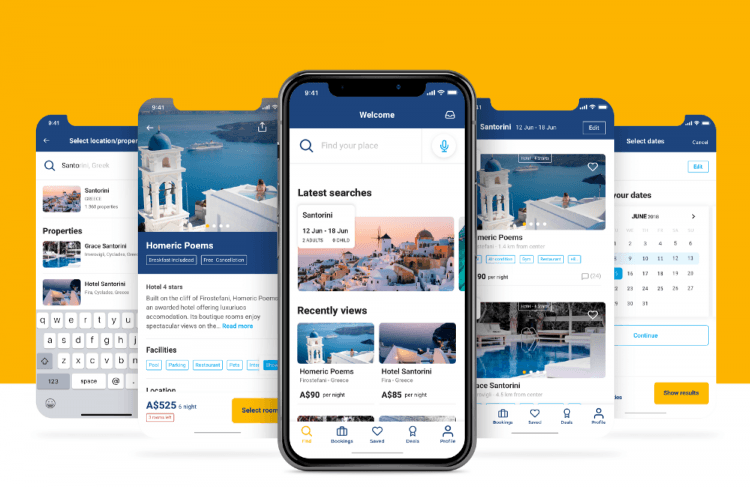
Booking.com has grown from a small Dutch startup to one of the largest travel ecommerce companies in the world. Each day, more than 1.5 million room nights are reserved through the platform.
Research
Since Booking.com launched, many competitors have followed with a similar business model, filling the marketplace, becoming popular, and in a few cases, working even better than Booking.com itself.
To begin my research, I started to look at a few competitors or similar platforms, analyzing UI, UX, user flow, information architecture (IA), and key features.
Scenario
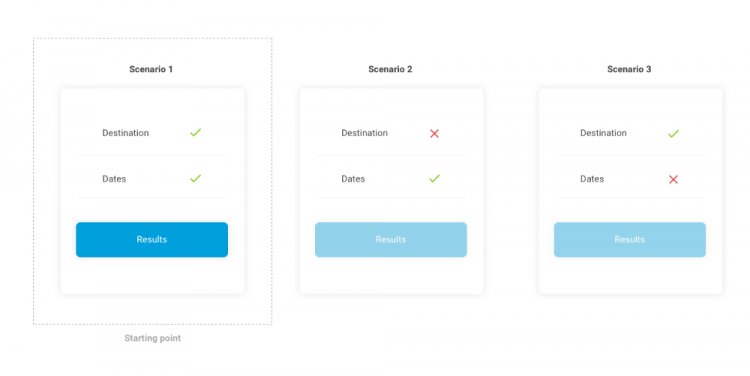
During the research, I identified many different scenarios, but kept my focus to develop the following:
- Scenario 1: user knows dates and destination of their trip (default scenario)
- Scenario 2: user knows dates but not the destination of their trip
- Scenario 3: user knows destination but not the dates of their trip
User persona
Going further through the research, I identified four personas which have different needs and different goals. This data will be useful to improve the user experience for each one.
The aim would be/has been to create the best itinerary and improve the functionalities to provide the best possible experience for each persona.
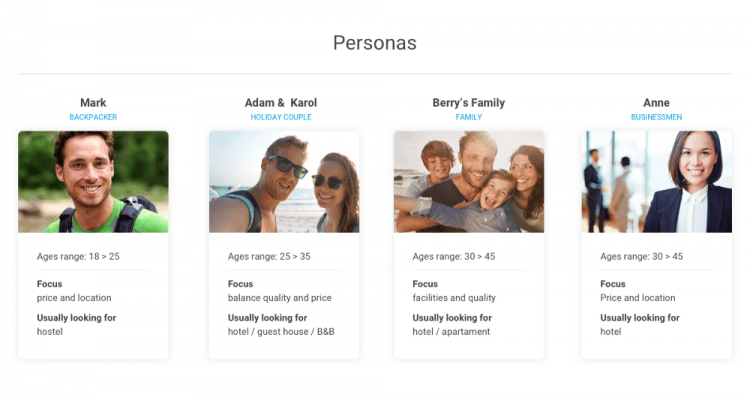
Data acquired from online research and user interviews (sample of 30 users).
Pain points
Solutions





Stay updated on the go with our mobile app.
Get latest insights with smoother, more personalized experience through TIA mobile app.