- Insights This article was written by a TIA community member. Insights pieces undergo the same rigorous editorial process that newsroom-produced articles have.
 Sejung Yun · · 4 min read
How this startup accelerator is prototyping its way to success with LG
You could say that LG is having a very good year.
The LG G5, their flagship smartphone, did well with both critics and with the public. With their close domestic partner occupied with a recall involving an explosive phone, the grass has never looked greener for the South Korean chaebol once known as Lucky Goldstar.
However, even amongst global success, LG has needed to outsource for some of their budding innovations. The corporate giant tapped Korean hardware accelerator N15 to help bring to life some of the innovations housed in their lofty HQ in Seoul. I had a chance to speak to N15’s founder and CEO, Jea Huh.
“I was really interested in 3D printing while I was still in consulting,” said Jea. His passion led him to write a book on the matter — one of Korea’s bestselling books about 3D printing.
However, while he was doing research for the book, he came across a deficiency for hardware startups in Korea. Mainly, the issue was the lack of infrastructure and support for entrepreneurs with hardware ideas. To rectify the issue, Jea found N15.
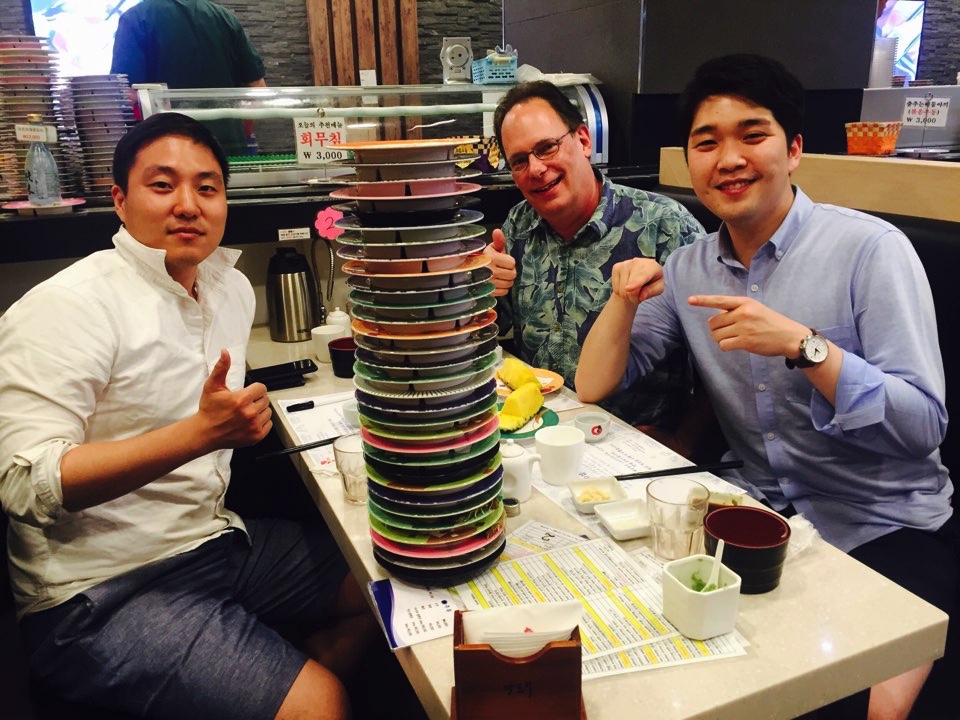
On the left is Jea Huh, founder and CEO of N15.
At age 31, Jea is one of the youngest accelerator founders in Korea. Despite that, N15 is a contender for the country’s top hardware accelerator, having done several projects for both private and government alike.
While N15 may be an accelerator, they’ve also managed to find an opportunity that allows their business to stay afloat – a feat many accelerators have difficulty finding especially in Korea.
Proto X
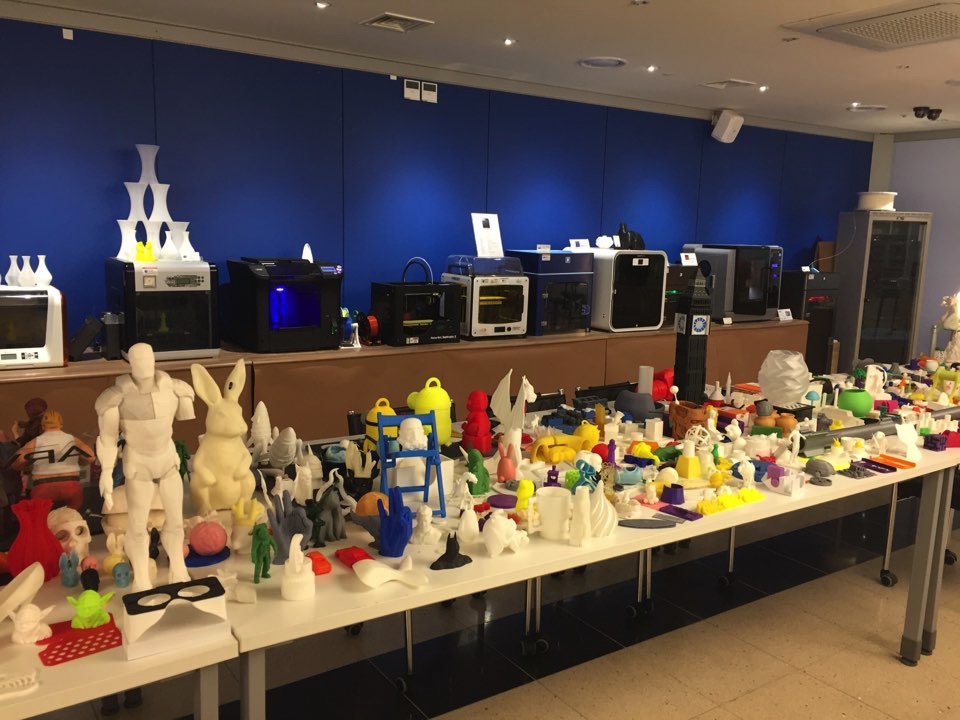
Originally designed for startups, Proto X (N15’s professional prototyping service) is the accelerator’s answer to hardware companies’ needs to prototype their ideas. Typically, a startup will approach N15 with an idea or concept, which N15 then builds using their in-house engineers and designers.
“The large corporations were starting to find that their own staff was, otherwise, occupied to really bring conceptual ideas into even prototypes,” says Jea. “It’s hard to imagine from the outside looking in, but even with all the professional expertise in-house, they’re having a hard time allocating resources and manpower for these ideas.”
Differences between startups and LG
Conclusion





Stay updated on the go with our mobile app.
Get latest insights with smoother, more personalized experience through TIA mobile app.