 Sharon Tan · · 9 min read
How to protect your GUI from copycats using Singapore law
This article is co-authored by Benita Lau and Chan Wai Yeng with editing by Danon Gabriel The.
Whether in gaming, communications, payments, or an amalgamation of multiple functions, technology companies are leveraging mobile apps to reach a massive audience of smartphone users. A critical factor determining public reception to an app is its graphical user interface (GUI), which refers to the visual cues used to operate electronic devices and systems. In practice, this can include the layout of different keys, the transition between different screens, and more.
If GUIs are so important to an app’s success, what options does a GUI designer have to protect his or her work?
This article uses Snapchat as an example to assess the key role of GUIs in building consumer recognition for technology-intensive brands and proposes possible strategies to protect it under Singapore’s various intellectual property laws.
The battle of the stories
Since 2011, Snapchat has made a name for itself in the domain of social messaging apps because of its focus on “ephemeral messaging.” A primary feature is the Stories function, a compilation of a user’s Snaps that friends can view for up to 24 hours, which was launched in 2013. Then in April 2016, Instagram Stories was launched and marketed as a compilation of photos and videos which will disappear after 24 hours. In March 2017, Facebook Stories was launched too.
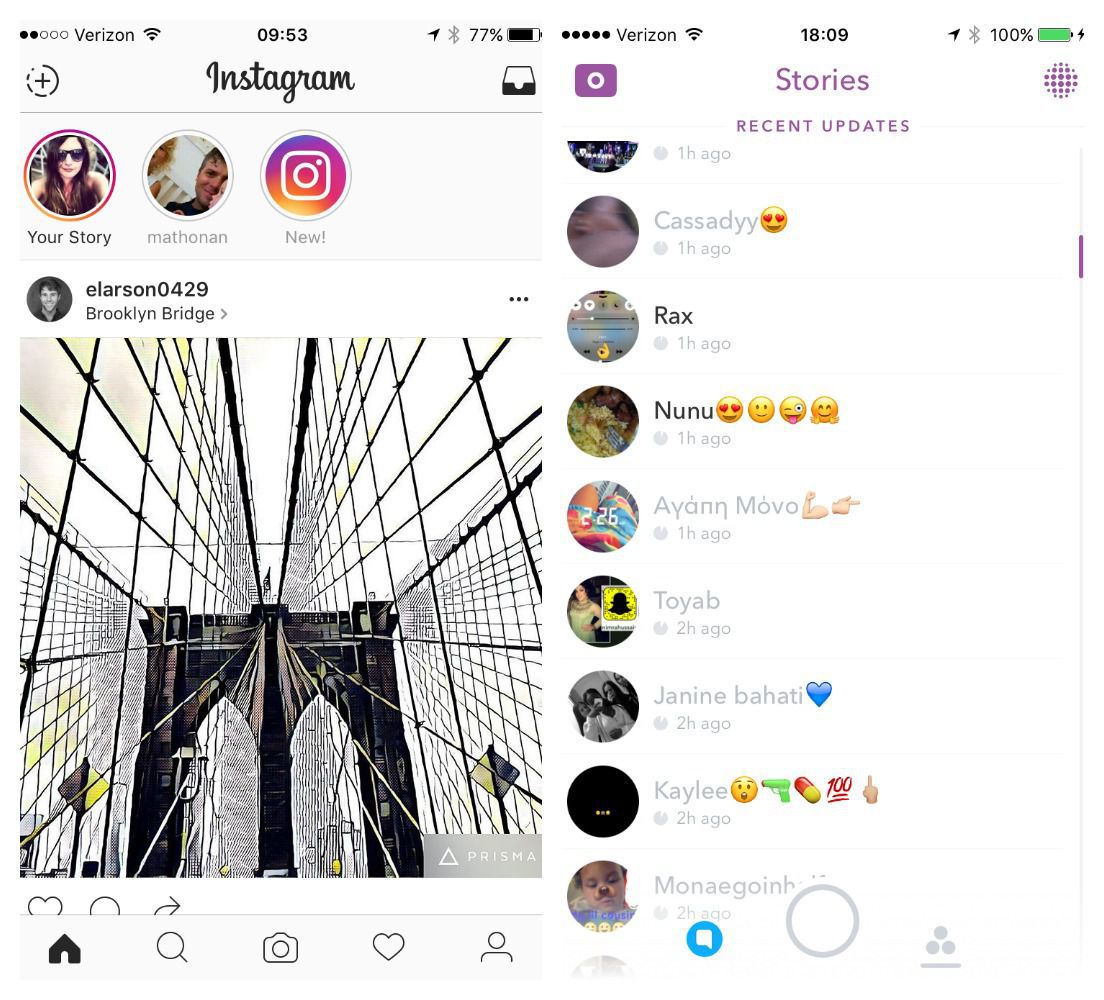
Facebook and Instagram’s incorporation of the Stories concept did not go unnoticed, leading to public indignation at how the former could “copy” Snapchat so blatantly.
However, Facebook and Instagram picked up only the idea of posting an impermanent compilation of photo and video-based messages. While this idea was popularized by Snapchat, it is not unique to Snapchat or protectable under intellectual property law. If one entity or person were allowed to claim exclusive use over an idea per se, innovation could be stifled. As such, intellectual property law generally only protects how the idea is expressed or implemented. GUIs are one facet in the expression or execution of those ideas.
In comparison to Facebook and Instagram, Snapchat has a significantly different approach to its GUI. Facebook and Instagram cater to clarity and accessibility, using clearly designated navigation tools. This is also reflected in their Stories features.
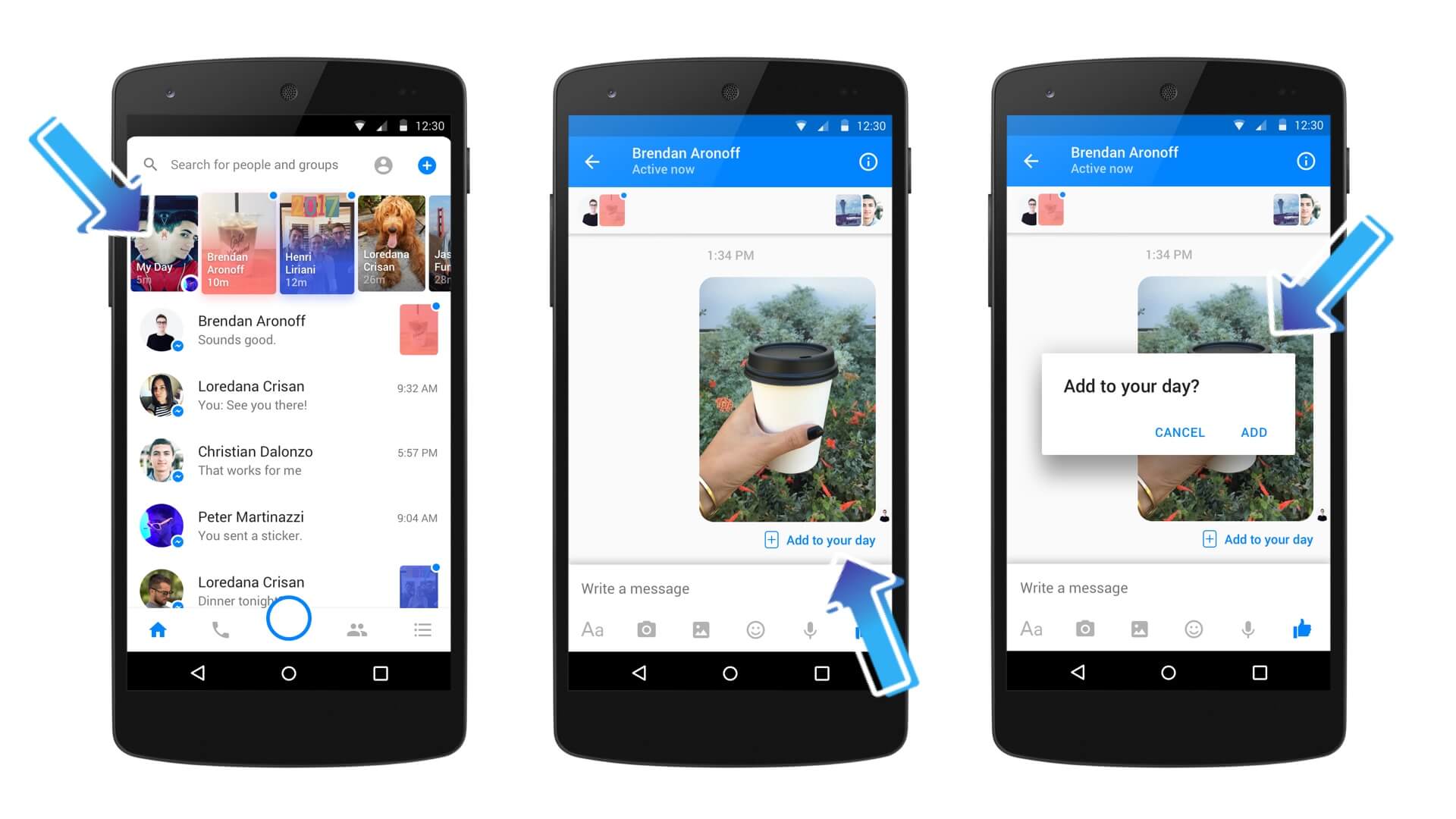
Photo credit: Marketing Land.
On the other hand, Snapchat offers a somewhat counterintuitive GUI that propels you directly to camera mode instead of a menu or home page. It requires navigation by swiping in all four directions. Its facial recognition augmented reality filters are also only accessible by tapping and holding the screen while your camera is front-facing. At best, this GUI has been described as unorthodox and, at worst, chaotic.
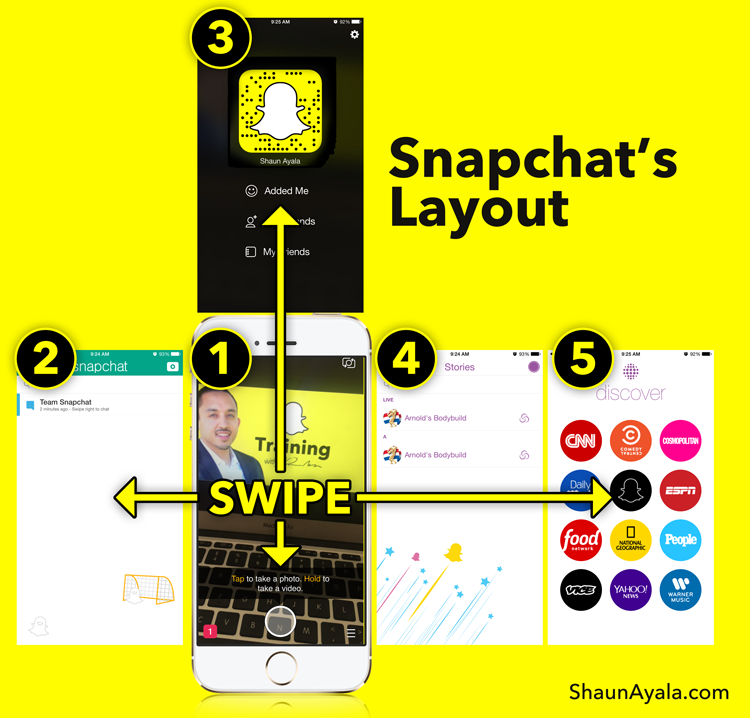
Photo credit: Shaunayala.com.
However, all this comes together as what experts call a “shareable GUI.” The inability of new users to decipher Snapchat’s “hidden” functions compels them to talk to their friends, while users who have made a discovery or hack are excited to share it with others.
Registered Design: A straightforward way to protect GUI
Trademark law: Indefinite protection, but has limits
Copyright law: No registration system for copyright in Singapore
A valuable strategic investment





Stay updated on the go with our mobile app.
Get latest insights with smoother, more personalized experience through TIA mobile app.













📅 Upcoming Events
22 October 2026
Payoneer x CSPN Summit 2026