- Insights This article was written by a TIA community member. Insights pieces undergo the same rigorous editorial process that newsroom-produced articles have.
 Hye Jin Kwon · · 4 min read
How we solve design issues using monthly 12-hour marathons
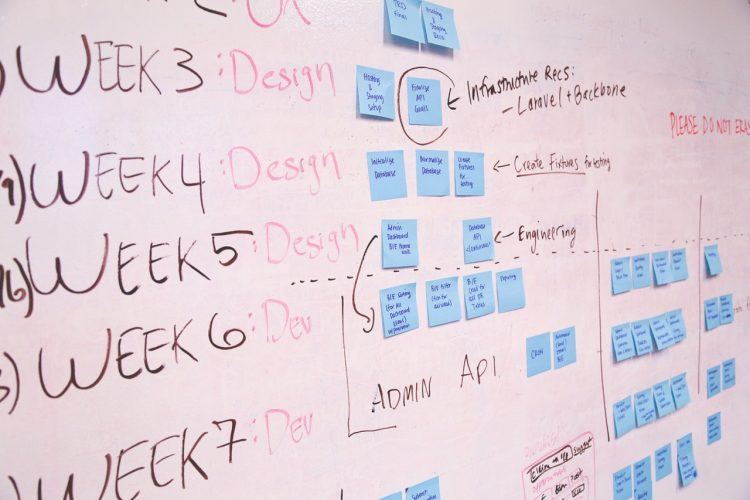
Photo credit: Pexels.
Recently, I came across an article discussing the design flaws on Singapore’s trains, and it got me thinking about the importance of good design.
Design must go above and beyond mere aesthetic appeal. It is a marketing tool, a branding opportunity, and a way to offer customers a top-notch experience.
As someone working in the ecommerce industry, I’ve become all too familiar with the importance of UI/UX design. It is what bridges our customers to our product. Our product may be practical and attractive, but if the pathway to obtaining it is too tedious, we may risk losing our customers halfway down the road.
So, what exactly can be done to prevent trivial issues from slipping through the cracks?
A consistent, fast-track strategy
One of the first things to do to address any UI/UX problem is to break down hierarchical barriers and get insights from the entire team on a regular basis. It’s important to recognize that no one design is the solution to all our customer’s ever-changing needs and expectations.
At ShopBack, for example, we have a monthly initiative, the UI/UX marathon, where our engineers lock themselves up in a room for a 12-hour session to clean up our website and address minor UI/UX issues.
The project managers first compile a list of improvements suggested by different people in the company, then narrow down the suggestions based on four criteria: usability, design, enhanced engineering quality, and reduced UI mistakes. They then work with the engineers to ensure these improvements can be coded.
Ensuring the design’s feasibility
After coming up with a good design, we check with the engineers on how the ideas can be implemented as quickly as possible. That way, we can be practical.
Throughout the process, the product managers focus on design while the engineers prioritize coding.
Once the UI/UX marathon takes off, we target implementing the changes on the day itself. But it’s important to remember that all changes should come with a purpose.
Here are a few improvements we have made from the last few marathons:
Enhancing hovering behavior
Before
Conclusion





Stay updated on the go with our mobile app.
Get latest insights with smoother, more personalized experience through TIA mobile app.










📅 Upcoming Events
22 October 2026
Payoneer x CSPN Summit 2026