 Pieter-Paul Walraven · · 4 min read
From community to rapid growth: The 1 strategic ingredient that all successful Asian startups share
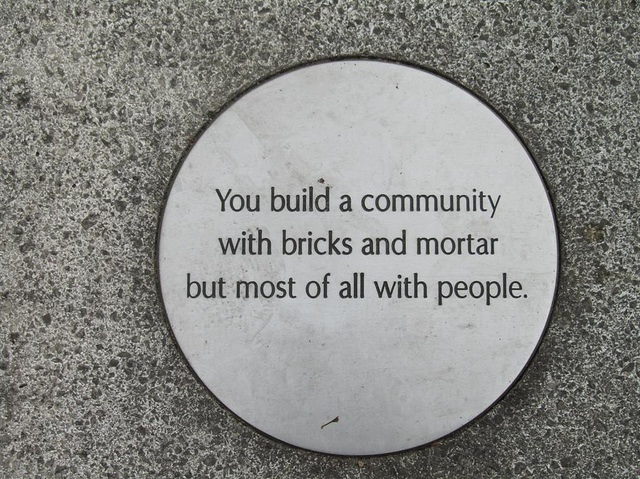
In this Networked Age, it makes perfect sense that a growing amount of companies are capitalizing on communities for their success.
Think about the number of unicorns that have either tapped into communities and have nurtured them as a critical strategic factor. For AirBnB – ‘Belong Anywhere’ – the global community aspect is a key part of the brand and experience. Also companies like Etsy, Xiaomi, Product Hunt, Evernote, and almost every significant Kickstarter campaign have managed to leverage communities for their success.
Closer to home there’s Viki that originated from a community of translators, Carousell that managed to onboard an offline community for initial traction, and 99.co that works closely with the real estate agent community for product iteration, among others.
As a result of the Networked Age, the ability to build and nurture an engaged community has become a critical skill for any product manager.
Hear from the people behind the community efforts of some of the region’s most successful companies how their community-driven strategy has contributed to their success:
Marcus Tan – Co-founder, Design & Community @ Carousell
“We are big fans of Paul Graham’s “Doing things that don’t scale” and “Making something people want”. When Carousell first started, we were focused on validating the problem and making sure we were solving a problem that resonated with the existing buy/sell communities.
We visited flea markets to gather feedback from sellers on the early version of our app and iterated accordingly. As time went by, our Carousell community organically grew larger on its own as we became the go-to app for users across all demographics. To this day, we have community gatherings every 2-3 months to ensure we meet and engage with the Carousell community.”
Ryo Chikazawa – Community Engineer & Product @ Viki
“All subtitles on Viki are created by the users. This differentiates us from competitors. Growing a community has been one of our most important missions.
We help the community to grow itself which is something the fans are very enthusiastic about. We don’t build it because our community is driven by the fans of our content. The approach is to give the community a proper framework that they are comfortable to work with depending on the scale. Doing things the community disagrees with is a bad idea. In order to achieve success, I believe we should always support them and provide a better place.”
Huiyi Lee – Community Manager @ Tech in Asia
“We’re fortunate to already have a sizable audience base on Tech in Asia (TIA) that we can leverage to form an active community. Avid readers of TIA can now take on a proactive stance by submitting articles and get involved in discussions on the platform. In the last few weeks we have been working hard to find what our community wants and the best practices we should stick to. We are doing this by constantly reaching out to the individual members of our community, listening to their stories and understanding more of what motivates them to be part of the TIA community.
We are also looking to external tech events or conferences to attract more people online. Building a community is just like building a ‘people’ product – you need to know what incentivises users to join a community, just as how you need to know how to build something people want.”
Alicia Tsi – Community Manager @ Tradegecko
“Three main communities that we have focused our efforts on are influencers/ experts, our partners, and our customers.
As we already have relationships with the former two through our product integrations and through working with consultants/ agencies, we continue to strengthen our relationship through content collaboration and event tie-ups.
Building a community of brand advocates amongst our customers on the other hand, is slightly more challenging as we are a relatively young brand, and most of our customers are located in the USA or UK. To work around this, we engage with individual customers through customer interviews; featuring them in case studies and getting their feedback on the product. In addition, we are looking to host more customer-centric events, user sessions and webinars to bring our community of users closer together.”
‘Communities’ is the theme of the 6th edition of the Product Hunt Singapore event.
Speakers for the event are some of the most experienced product and community managers in Singapore:
- Marcus Tan – Co-founder, Design & Community @ Carousell
- Ryo Chikazawa – Community Engineer & Product @ Viki
- Darius Cheung – Founder & CEO @ 99.co
The event will be held on Tuesday September 8th at The Working Capitol. If you haven’t already, you can RSVP for the event here 🙂
To get the conversation started before the event on Tuesday, do post any questions for Marcus, Ryo, and Darius in the comments section below. We’ll make sure to collect them for the event! 🙂
Shameless plug: sponsors of the event are Pie, General Assembly, & The Working Capitol
Stay updated on the go with our mobile app.
Get latest insights with smoother, more personalized experience through TIA mobile app.
Recommended reads
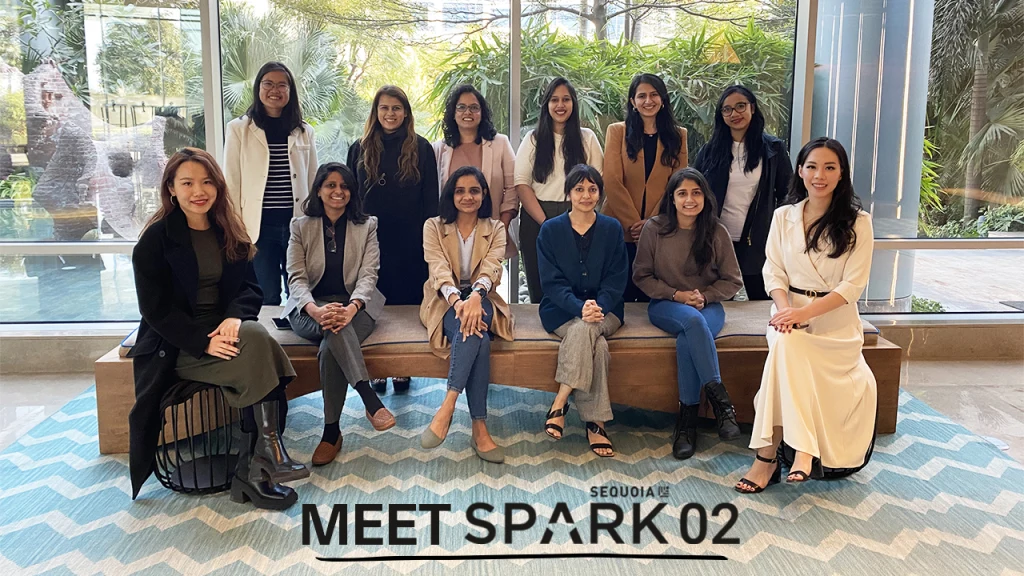 Sequoia’s new Spark cohort spotlights 12 female founders
 SG electric motorbike maker bags new funding at $150m valuation
 Ex-Temasek execs join new AI startup Resaro.ai
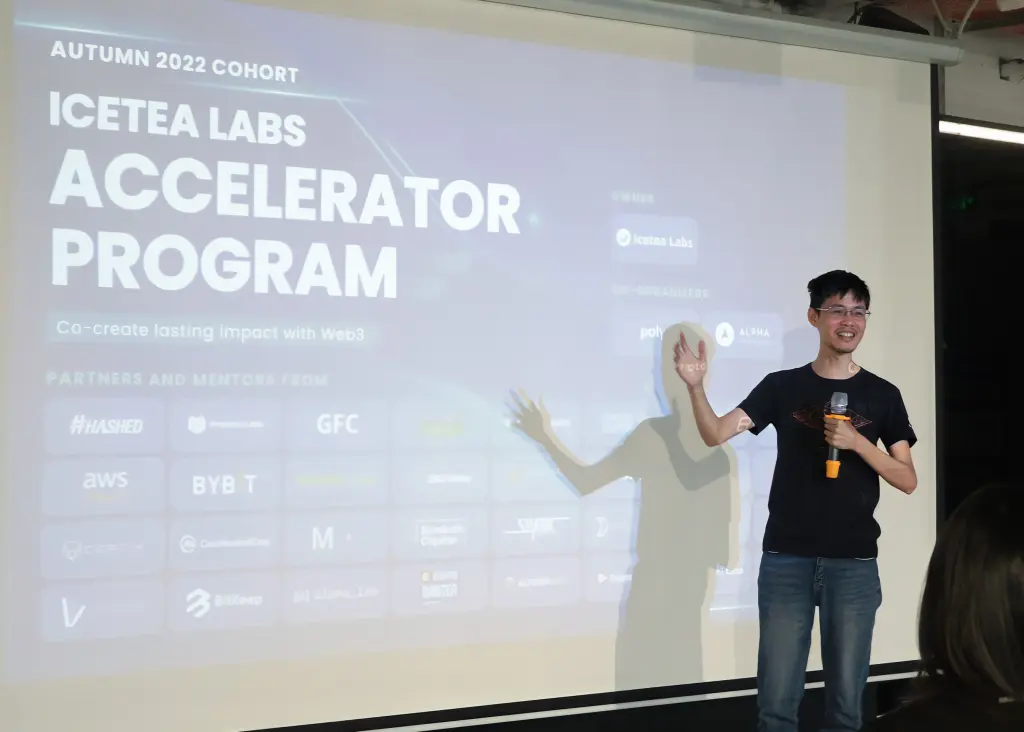 Vietnamese Web3 firm taps Polygon, Alpha Venture DAO for accelerator (Updated)
 How Singapore is ensuring no one gets left behind in its digital future
 NTU, Algorand to roll out center for blockchain research
 QuickBytes: How this startup supports side hustles and flexible work
 Singapore celeb JJ Lin joins NFT project
 Deal done: SPH Media completes Tech in Asia buyout
 SG to require local listed firms to disclose CEO salaries











📅 Upcoming Events
22 October 2026
Payoneer x CSPN Summit 2026