- Insights This article was written by a TIA community member. Insights pieces undergo the same rigorous editorial process that newsroom-produced articles have.
 Jeffrey Towson · · 6 min read
6 things I learned from visiting a JD.com distribution center
Jeffrey is a TIA Star Contributor and publishes high-value content that serves the Asian tech community. Read more from TIA Star Contributors here.
Disclosure: The author of this post is not affiliated with JD.com.
A few weeks ago, I visited a JD.com distribution center in west Beijing. It was a small facility consisting of a storefront, a bunch of delivery carts lined up outside, and space for trucks to pull up.
As I showed up, the distribution center staff and the JD delivery drivers were already there waiting for trucks to come for the afternoon sort. They do three sorts per day and this was the last of the day.
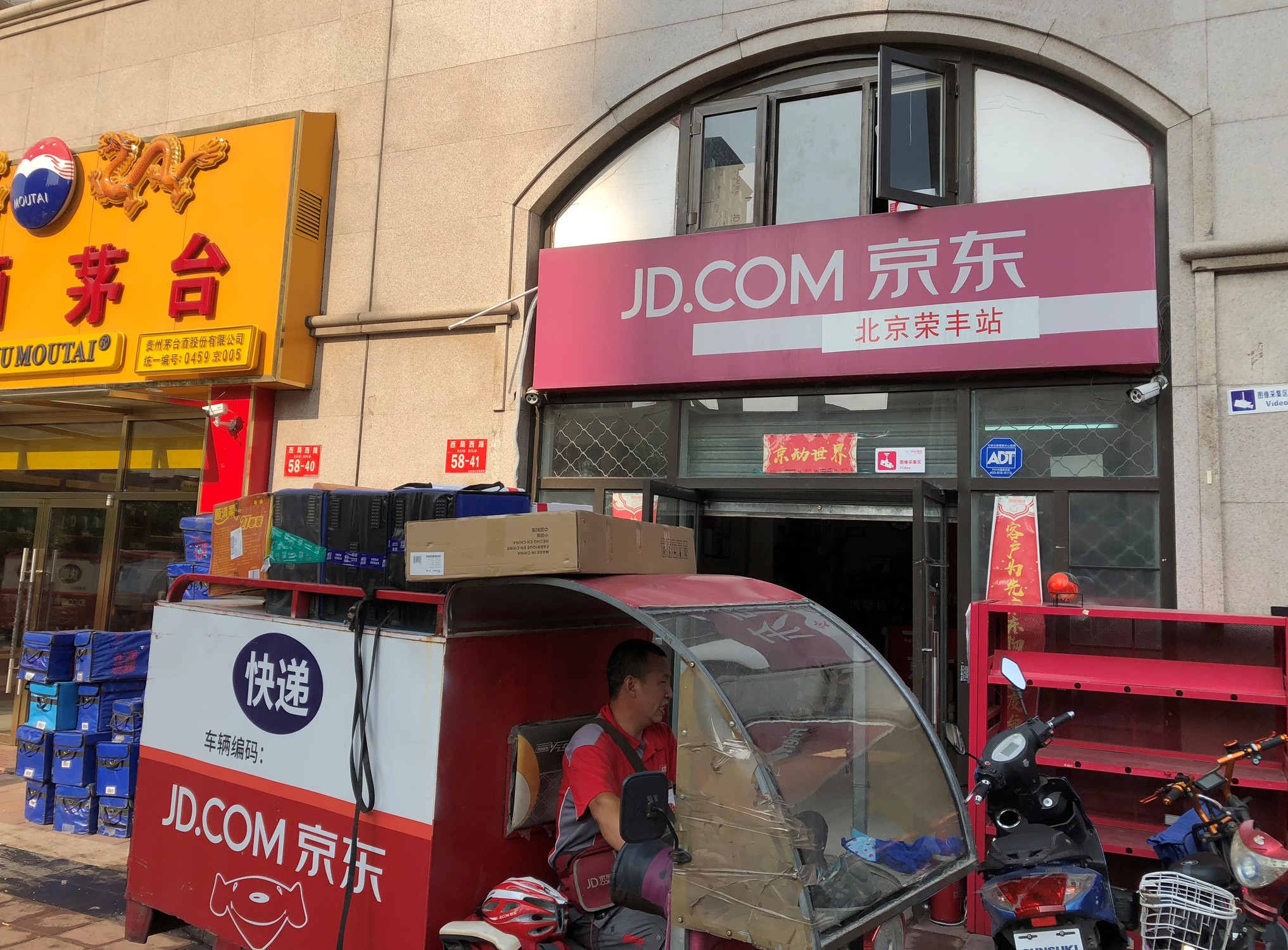
Over the next few hours, I basically observed, asked a bunch of questions, and tried to stay out of the way. Here’s what I learned.
1. Grocery distribution (and cold chain) doesn’t seem to be a big challenge
Last year, groceries were a big new frontier for Chinese ecommerce. JD and Alibaba both moved into it in a major way.
One of my questions was, how much of a problem was it going to be in terms of logistics? Could JD use the same infrastructure it had been building for almost a decade?
The center I visited was for small and medium items (large items go direct from warehouse to customer), and lots of grocery items were coming through the center. In the trucks and carts, there were special boxes that could contain food items and keep them cold and fresh. And given the rapid delivery of JD, that apparently is enough for most food items to stay fresh.
JD’s Small and Medium Package division handles the company’s food and grocery distribution, and it doesn’t seem to be much of a problem.
Note: this center delivers to a radius of about 5km, which is a bit larger than distribution centers deeper in the city. That struck me as interesting because a lot of the talk around “new retail” (or boundary-less) supermarkets revolves around how they can also function as logistics hubs. And most cite a 2 to 3km radius for delivery.
2. The JD team dresses well and has nice delivery vehicles. This is important
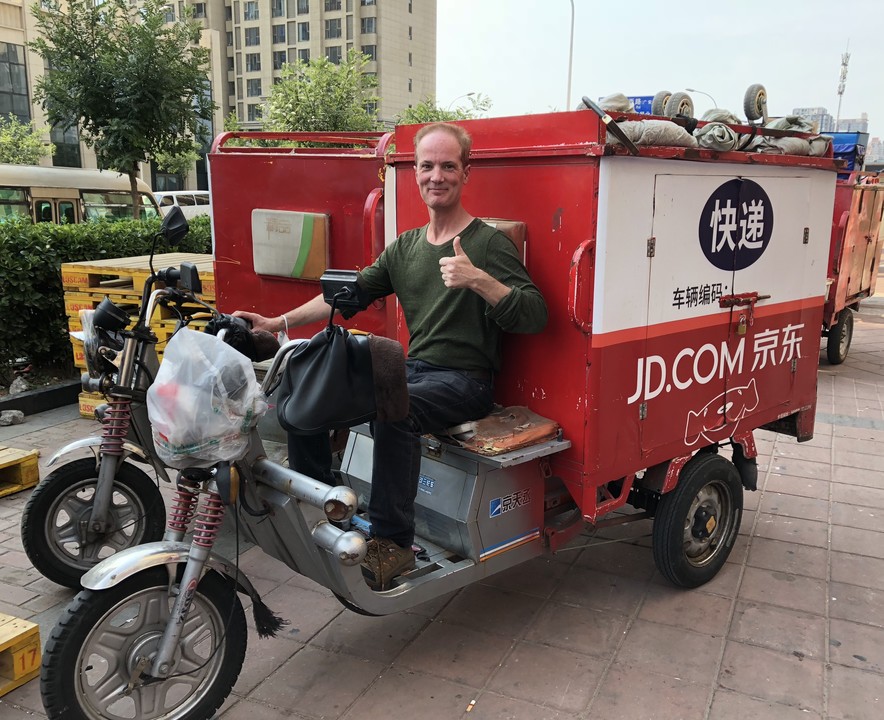
Take a look at how nice the JD carts are and how well dressed the delivery team is.
3. The point of delivery is probably the largest remaining inefficiency in the system
4. Delivery speed is a big competitive barrier
5. You can’t be a quality online retailer without quality delivery
6. The JD delivery folk seem happy, and this is really important





Stay updated on the go with our mobile app.
Get latest insights with smoother, more personalized experience through TIA mobile app.