 Malavika Velayanikal · · 6 min read
The inside story of why an explosive SaaS startup went for a quick exit with Freshworks
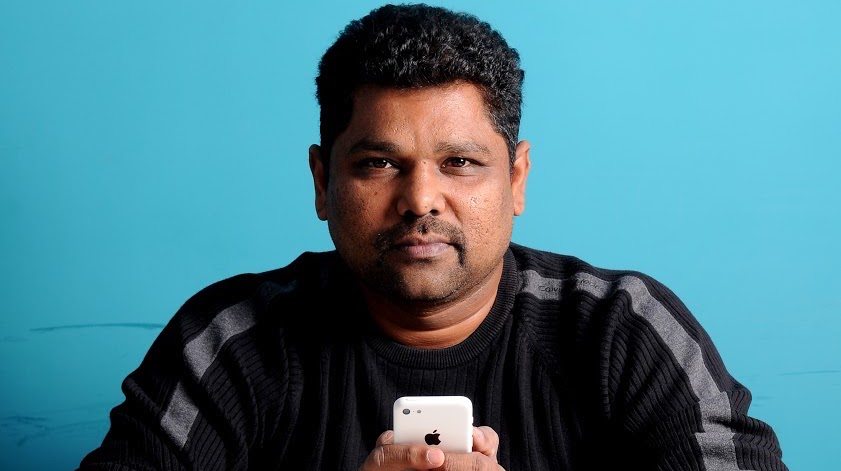
Girish Mathrubootham is one of India’s most respected startup founders. Photo credit: Freshworks.
US$7.5 million in funding within months of starting up. Big backers like Matrix, Sequoia, and Accel. Hundreds of customers. And yet an acquisition by Freshworks was the best option left for Zarget just a year after exploding on to the SaaS scene.
This could seem like a marriage made at birth at first sight. But Freshworks’ founder Girish Mathrubootham explains the hard business logic of it to Tech in Asia in a candid chat. It offers a glimpse into the challenges a young SaaS company can face even when it is well-funded and acquiring lots of customers. It also brings out the conundrum for investors pumping big money into early stage SaaS companies that appear to have great products.
First, the backstory.
Mathrubootham was the product head at pioneering SaaS company Zoho in Chennai when he interviewed a spunky engineering grad, fresh out of college – Arvind Parthiban. “I learned nothing in college,” Parthiban told his interviewer brashly because in his mind, Zoho was just a stopover until he found a job abroad. Mathrubootham laughed and gave him the job.
Parthiban learned the ropes of software development, marketing, and SaaS at Zoho, and was hooked. Just as Mathrubootham was, who quit to start Freshdesk, which recently rebranded as Freshworks. Parthiban knew he too would follow suit.
“I told Girish back then that I will start a company some time soon. That’s why I didn’t join Freshdesk right away,” Parthiban told me when we first spoke early last year.
When Parthiban and his friends from Zoho – Naveen Venkat and Santosh Kumar – started Zarget in 2015, Mathrubootham and some of his teammates at Freshdesk were the angels who gave them funds to get off the ground. By then, Freshdesk was the best-known face of Indian SaaS and was well-funded by Accel Partners, Tiger Global, CapitalG (earlier known as Google Capital), and Sequoia Capital. Mathrubootham’s vote of confidence was enough to pique the interest of top investors who were eager to know more about Zarget.
Parthiban was reluctant to talk to investors before he even had a product. “Not now, maybe later,” he recalled telling Mathrubootham. But within two months of its inception, in April 2015, Zarget signed term sheets with Accel Partners and Matrix Partners for seed funding of US$1.5 million. It just had a prototype of its marketing toolkit ready back then. A few months later, Sequoia too joined Accel and Matrix to pump another US$6 million into Zarget.
“We exited the startup but didn’t make any money in the deal as I didn’t want any conflict of interest whatsoever. We only received our initial investment, without covering the cost of legal fees and so on because we didn’t want to risk our reputation in any way,” Mathrubootham told Tech in Asia, in response to a question on whether an exit had been planned at an early stage of Zarget.
“The only reason we invested in Zarget was because we believed in the founders’ ability to build a great product,” he said. “And they did it. The fact that Zarget managed to get over 400 customers within eight months of launching its product is proof.”
See: Q&A: SaaS superstar Girish Mathrubootham on ambitions, fears, and secret strategies
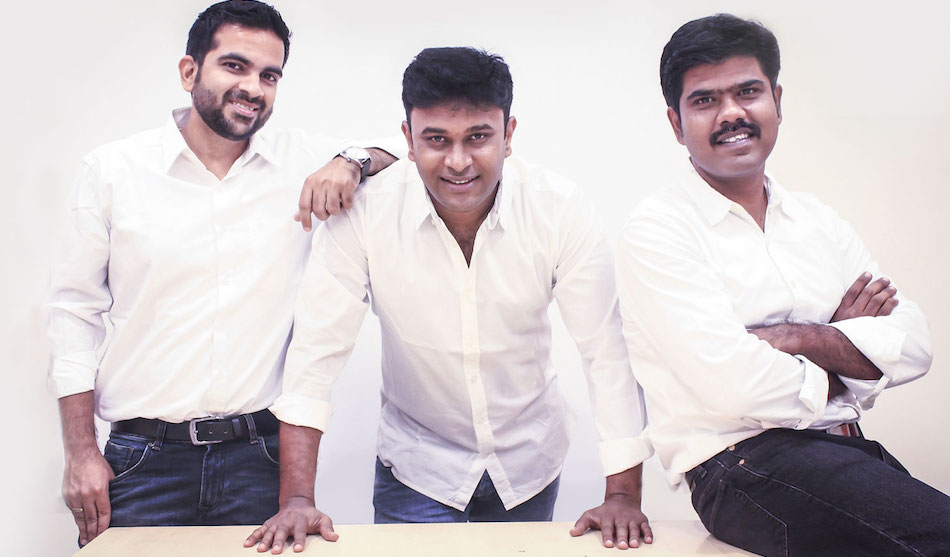
Zarget co-founders Arvind Parthiban (center), Naveen Venkat (left), and Santhosh Kumar. Photo credit: Zarget.
Why the acquisition, then?
The martech conundrum for VCs
9 acquisitions in 2 years





Stay updated on the go with our mobile app.
Get latest insights with smoother, more personalized experience through TIA mobile app.










📅 Upcoming Events
22 October 2026
Payoneer x CSPN Summit 2026