- Premium Content It takes our newsroom weeks - if not months - to investigate and produce stories for our premium content. You can’t find them anywhere else.
 Melissa Goh · · 5 min read
Rocket Internet startup takes on real estate market with Singapore launch
Another Rocket Internet startup has landed on Singapore’s shores, this time in the real estate sector. Currently in pre-seed stage, Bluenest is modeled after technology-powered US residential property company Redfin and Tencent-backed brokerage Lianjia, which is also China’s eighth-largest startup by valuation.
In Singapore, transacting property online has gained traction, thanks to portals such as PropertyGuru, 99.co, and Ohmyhome. Bluenest, however, claims to be able to fully “close the loop” between buyers, sellers, and agents. Listing a property may be an important step towards purchasing or selling a property, but that’s just the beginning. The home ownership journey in the Lion City can last around six months on average, covering property viewing and financing as well as legal processes.

Bluenest CEO and co-founder Jeff Lim / Photo credit: Bluenest
Bluenest CEO and co-founder Jeff Lim tells Tech in Asia that the startup merges technology and data with human expertise to drive successful transactions, reducing overall transaction time and associated costs. Like Redfin and Lianjia, which have their own network of brokers, Bluenest hires its own real estate agents, rather than have them run as independent contractors. And in an industry where service standards can vary widely, this gives the just-launched brokerage a degree of control over the customer experience.
Redfin’s 2018 US home sales data suggests that on average, its listings reached three times more people, had a higher chance of selling (82.8% of Redfin listings sold within 90 days, compared to 79.8% countrywide), sold more quickly (four days faster), and for US$2,800 more than houses listed by other brokerages. This is a direct result of maximizing exposure, targeted advertising, and time freed up from marketing.
Lim is confident Bluenest can replicate Redfin’s success in this part of the world, differences in the property markets of US and China notwithstanding. He thinks that Bluenest’s technological tools can help agents double their productivity, closing five to seven deals a month instead of the usual two to three.
Brokering property through traditional channels was a “labor-intensive job with one individual running the show, across lead generation, marketing, scheduling, and closing a sale,” says Lim, a former property agent. He recalls that around 80% of his time “was spent on PropertyGuru, driving, or calling people.” But customer relationship management systems, automated scheduling tools, electronic presentation kits, and digital contracts could have the potential to overcome those inefficiencies.
Achieving scale
Lim is not new to the Rocket ecosystem. He’s part of the growing Lazada mafia – former executives from the ecommerce startup who have struck it out on their own. Previously the head of vendor performance management in Lazada’s Singapore office, he left to lead competing ecommerce platform Zilingo as country manager.
He aims to achieve US$3 million in revenue in the next 12 months. Like its Rocket predecessors Lazada and Zalora, Bluenest has set its eyes on regional expansion, targeting six Southeast Asian markets in total. It plans to enter its next market by end-2020, but Lim didn’t specify where the startup will launch next.
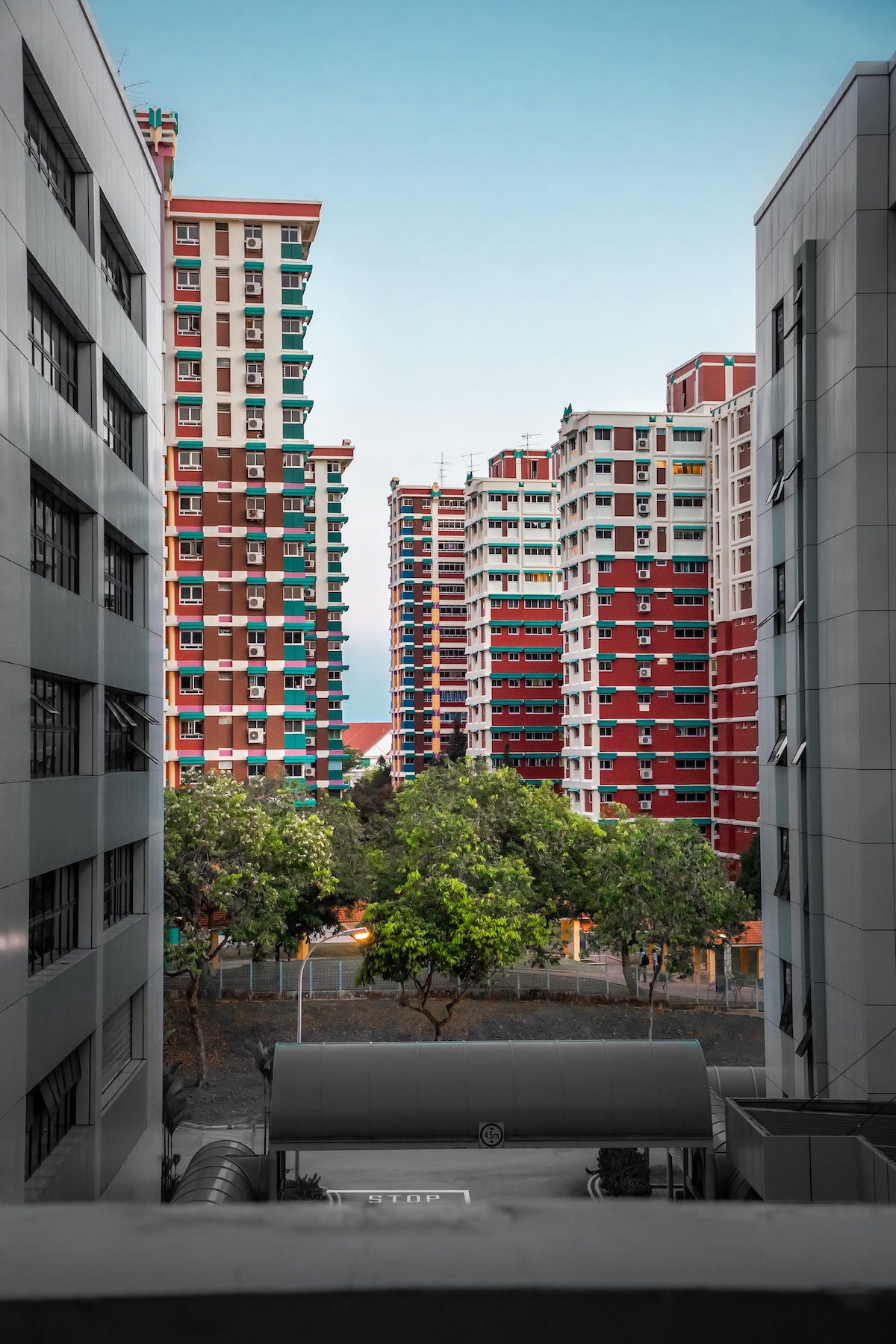
Photo credit: Unsplash
Apart from real estate brokerage, Bluenest has plans to offer on-demand solutions on a subscription basis by mid-next year to diversify its revenue channels. This is critical to making the business recession-proof, especially in a cyclical sector like real estate, according to Lim. With its current model, Bluenest earns a cut only upon the successful closure of a sale, so revenues are vulnerable to property fluctuations.
Bluenest offers standard fee options for engaging an agent – either a flat fee for basic services or a fixed percentage of the property price which entitles you to premium services.
Home sellers can enlist the help of an agent for S$1,888 (US$1364) or choose to pay 1% of the property price for additional professional photo-taking services and premium advertising, for instance. Homebuyers, on the other hand, can hire an agent for a flat rate of S$988 (US$715). But for 1% of the price of a public Housing & Development Board property, they will get a full service agent that handles property inspection and viewing scheduling. (Sellers of private properties can engage an agent for free.)
A fragmented property market
Battling traditional brokerages
Stay ahead in Asia’s tech landscape
This is premium content. Subscribe to read the full story.
Currently in pre-seed stage, Bluenest models US’ Redfin and China’s Lianjia, merging technology and data with human expertise to drive transactions.
We know this is not ideal. ⌛ Sign up in 20 seconds. Cancel anytime.
Our subscriber community includes professionals from these companies:





Stay updated on the go with our mobile app.
Get latest insights with smoother, more personalized experience through TIA mobile app.








📅 Upcoming Events
22 October 2026
Payoneer x CSPN Summit 2026