Rita Liao · · 6 min read
China’s tech giants have gone from startup killers to partners
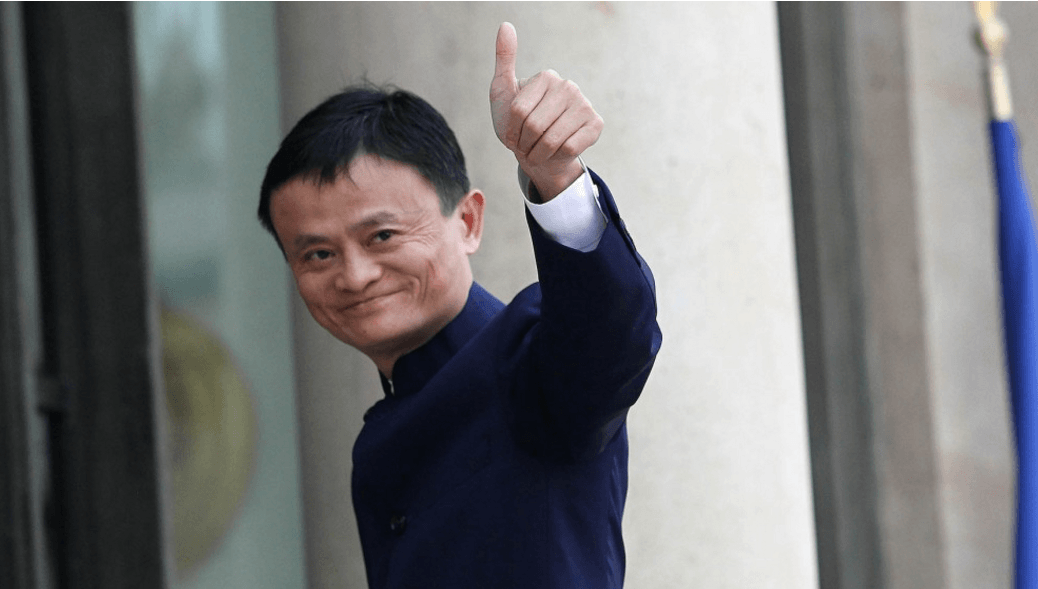
Alibaba founder Jack Ma. Photo credit: Alibaba
It’s no secret that China’s tech behemoths like Alibaba and Tencent are spending millions in a race to dominate artificial intelligence. Meanwhile, a generation of emerging AI startups are nipping on the giants’ heels with skyrocketing valuations and cutting-edge tech.
This dynamic has put both camps in an awkward relationship as each side covets something valuable in the other.
One of China’s rising AI stars is Rokid, a four-year-old startup reportedly valued at US$450 million in 2016 and closed a US$100 million series B+ round this January. The company is headquartered inside a lush wetland park in Hangzhou – the historic city that Alibaba calls home – and is known for its voice assistant and smart speakers.
Virtually all of China’s tech titans, such as Alibaba, Baidu, Tencent, JD, and Xiaomi, are churning out voice-controlled gadgets. But Rokid thinks it has carved out a niche that lets it thrive alongside its bigger rivals.
While the major players focus on the mass market, Rokid is zeroing in on higher-end speakers that cost as much as US$770, with some lower-end models charging slightly more than their rivals.
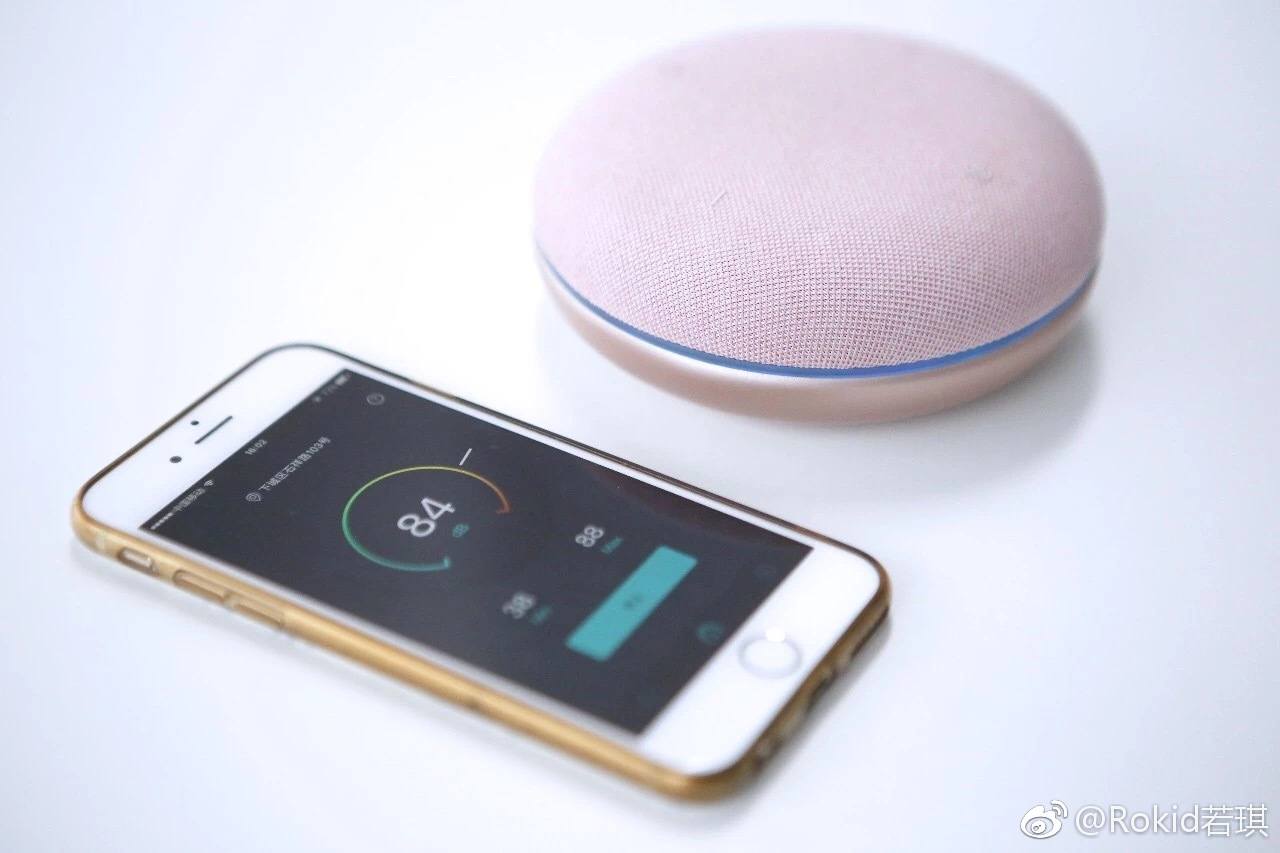
Photo credit: Rokid
And although the bigwigs have built software to go with their own speakers, they outsource certain stages of the work to startups for strategic reasons.
“Take Alibaba, for example. Its core business is shopping, so everything it does is an extension of it,” explains Gonglue Jiang, Rokid’s chief designer and head of product research, to Tech in Asia. “It basically wants to put speakers inside homes so people can shop via its speakers.”
“It doesn’t make sense for Alibaba to build human-computer interaction from scratch,” he adds. This is where Rokid comes in: making interfaces to help Alibaba’s machines better understand humans and their environment.
The [Chinese] way of investing, especially with the tech giants, is that they back a lot of companies, then they double or triple down on the ones that are successful.
Zhao Yiyang, co-founder of AI startup Unisound, agrees that it’s an oddly symbiotic situation.
“The relationship between China’s AI unicorns and tech biggies is neither outrightly competitive nor collaborative. It’s both. The giants want to tap into a range of AI verticals, be it healthcare, security, education, or finance. But it’s impossible for them to do everything,” he points out.
Grunt work
Marriage
Free and single
More China analysis:





Stay updated on the go with our mobile app.
Get latest insights with smoother, more personalized experience through TIA mobile app.