- Premium Content It takes our newsroom weeks - if not months - to investigate and produce stories for our premium content. You can’t find them anywhere else.
 Steven Millward · · 4 min read
Where are Southeast Asia’s electric-car startups?
At the last count, China has nearly 500 registered electric-car startups, all rushing to meet growing demand for non-gas guzzlers.
But in Southeast Asia? That sound you hear is not the whirr of an electric motor – it’s the sound of silence.
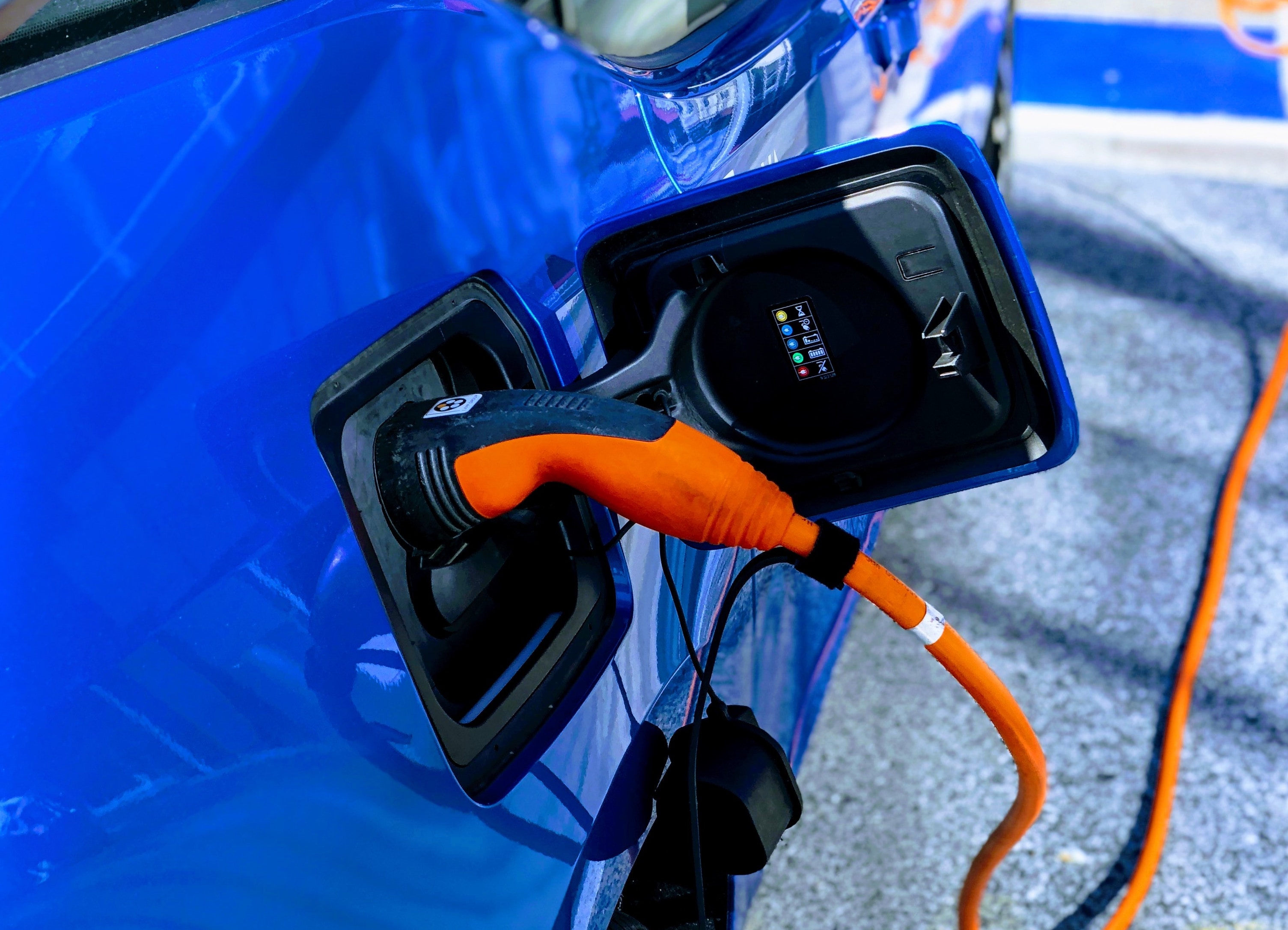
Photo credit: Unsplash / John Cameron
Despite investors plowing over US$23 billion into tech startups over the past few years, it’s remarkable that among the new brands that have rapidly become household names across Southeast Asia (like Grab and Lazada), none of them are trailblazing electric-car makers in the vein of Silicon Valley’s Tesla or China’s Nio.
Even Malaysia, long the sole pioneer of indigenous car companies in the region, has stayed out of the startup action.
But it’s not too late for Southeast Asia to make its mark with an automotive marque it can call its own, throwing off decades of dominance by Toyota and several other Japanese car brands.
Keep it basic
First off, Southeast Asia needs a startup focused on producing affordable electric vehicles. So I’m talking about cars way below Tesla’s US$39,000 starting price for the Model 3 (and that’s before import taxes), so let’s quit with all the fatuous Tesla comparisons that articles about EVs generally make. And these cars would also need to be cheaper than China’s Nio, which starts at US$50,000.
What would be most disruptive is an electric car that costs around US$15,000, which is the price tag of Indonesia’s top-selling car, the boxy Toyota Avanza.
That would suit Southeast Asia, which lacks the sizable middle class that can support a BMW-battling automaker.
There’s really only one homegrown regional brand that’s attempting to do this, and it’s not really a startup since it’s a spinoff from a major solar energy company.
Over in Thailand, energy magnate and billionaire Somphote Ahunai has taken thousands of orders for the first model from his all-electric car brand, Mine Mobility, which will begin rolling off the production line later this year.
Modeled on bestselling cars like the Toyota Avanza, the Mine SPA 1 is a square-ish blend of a minivan and a hatchback – a popular shape across much of the region – with a battery-powered range of around 200 kilometers.
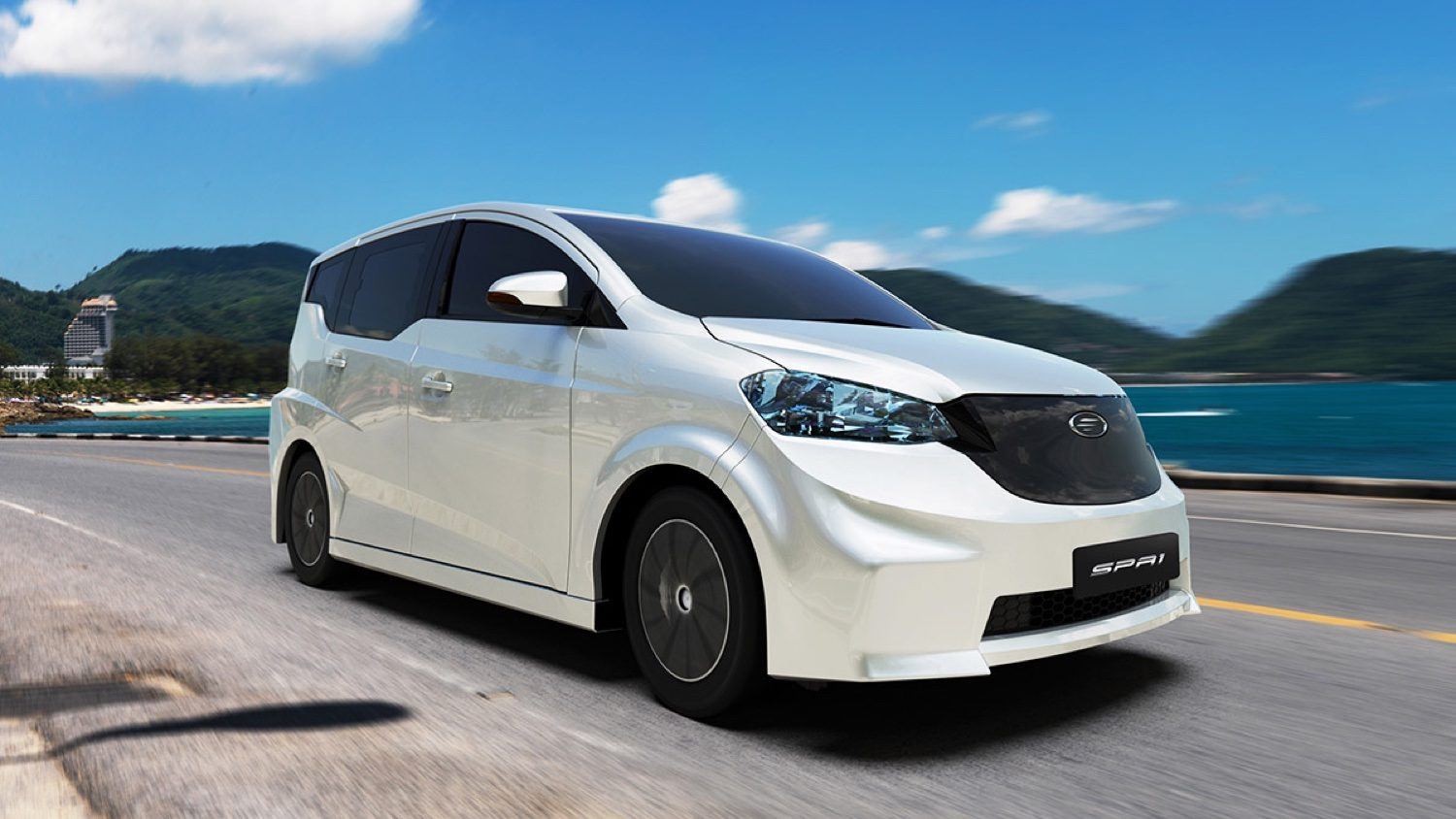
Photo credit: Mine Mobility





Stay updated on the go with our mobile app.
Get latest insights with smoother, more personalized experience through TIA mobile app.













📅 Upcoming Events
22 October 2026
Payoneer x CSPN Summit 2026