Jum Balea · · 4 min read
SolarHome gets funding to help poor, off-grid homes afford solar energy
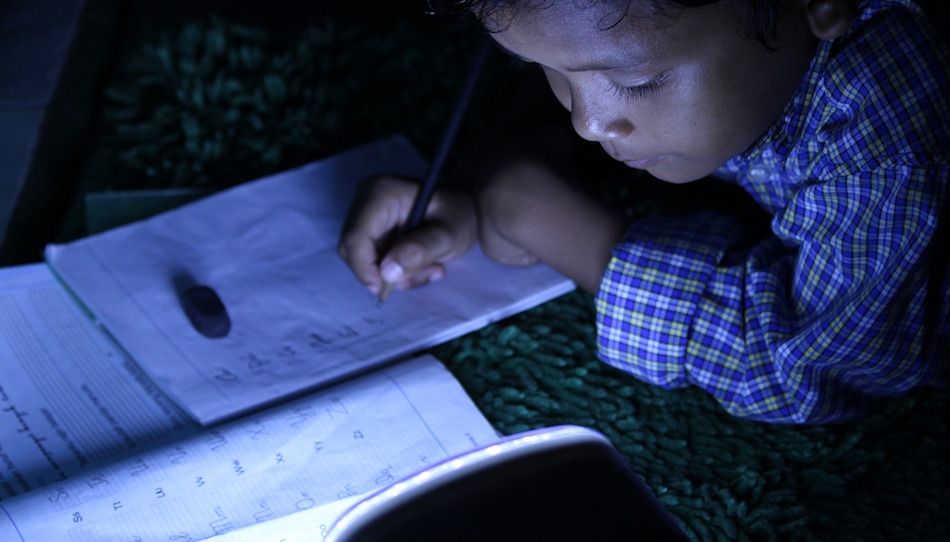
Photo credit: Pixabay.
Close to 27 million households are without electricity in Southeast Asia. Every year those families literally burn US$3 billion of their hard-earned income on kerosene, disposable batteries, and other dangerous and suboptimal energy solutions, says Greg Krasnov, chairman of SolarHome.
There are solar systems available for off-grid consumers but these usually cost US$100 up front. The rural population, consisting of farmers, fishermen, and village shop owners, don’t have that type of money in savings, he adds.
So his Singapore-based company thought of a clever way to allow these people to purchase clean and reliable electricity – which is through small increments, similar to how they top up their phones. The company just closed a US$625,000 pre-series A round, bringing its total funding to date to over US$1.1 million.
Here’s how it works: consumers shell out a small down payment to have the solar system installed on their houses, complete with panels, batteries, and electronics. To use it, they will need to buy daily, weekly, or monthly credit – averaging US$3 to US$15 per month – either through scratch cards or mobile money. The ownership of the system will be automatically “unlocked” and transferred to them after two years.
SolarHome’s pay-as-you-go (PAYG) model lowers the barriers to adoption for rural families who earn US$85 a month and have no access to bank loans, Krasnov says.
He adds that unlike other solar systems in the market which are of low quality, difficult to assemble, and expensive to maintain, SolarHome offers a two-year warranty. “It creates a unique value proposition.”
Creating social returns
SolarHome is one of the startups spun off by venture builder Forum Capital, where Krasnov also sits as managing director. Forum, which had injected US$500,000 seed funding into the company, is focused on inclusive fintech and consumer finance in Southeast Asia.
Krasnov says they stumbled upon the idea for SolarHome when Forum was exploring ways to enter the renewable energy market in 2015. As part of their research, they came across information about a leading solar PAYG company in Africa called M-Kopa. “Upon closer examination we fell in love with the model,” he recalls. “PAYG is a microfinance-enabled product so it is very close to our core competencies in financial inclusion and we knew we could bring fantastic management and a group of senior advisors into this.”
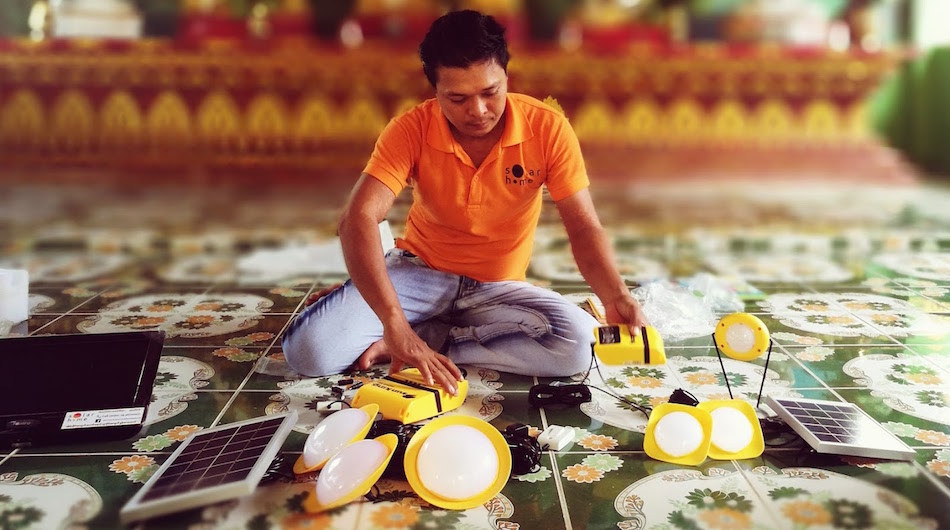
Photo credit: SolarHome.
They were also encouraged by the massive social returns such a company could bring. By going solar, poor families in rural areas not only avoid health injuries caused by kerosene, they can also extend their working hours and earn more, allow their kids to study longer, and contribute to efforts to reduce carbon emissions in the environment. “SolarHome did a study, with the support of USAID, which showed that every dollar invested by our business in the systems out in the field brings back a social return of approximately 400 percent. Now that’s real impact,” Krasnov stresses.
Scaling up
The team has completed a pilot in Myanmar and will use the fresh funds to scale up in Southeast Asia amid rising competition from other PAYG solar companies. Dlight and Angaza are some of those targeting developing markets globally.
SolarHome aims to increase its installations to over 10,000 units next year from approximately 2,000 units by end-2017. “We expect the company to generate US$2 million to US$3 million run-rate revenue and become EBITDA positive by the end of 2018,” notes Krasnov.





Stay updated on the go with our mobile app.
Get latest insights with smoother, more personalized experience through TIA mobile app.