Asia is already a massive market for games. With so many players in your own backyard, developers are right to focus on tailoring their games to the tastes of the local and neighboring markets. But as some games have proven, global appeal can be had by a properly-designed game. Curiously, especially in the core free-to-play realm, these games are usually of Western origin.
What can Asia-made games do to become hits in the West on a more consistent basis? While some of these points could apply to any game, mobile and casual games are usually playing by different rules.
1. Tell the right story
This seems simple enough, but once a game has achieved success in one territory, we tend to think it will be ready to conquer the globe. There is one thing to remember when you start to mobilize your troops for Westward expansion: players often speak different languages—literally and literarily.
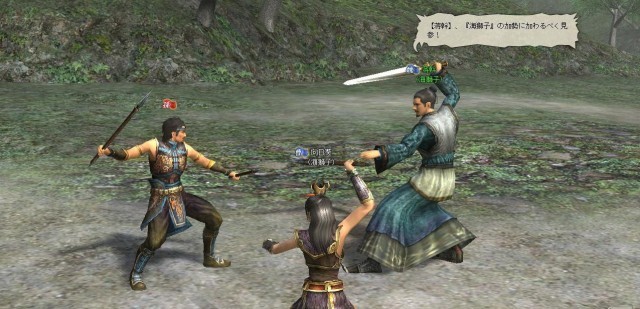
While integral to Asia, the Romance of Three Kingdoms isn’t widely read in the West.
Compared to flow of traditional and popular Western culture to the East, the stream from Asia to Europe and America has been relatively small. If a game is heavily dependent on traditional stories, like the Romance of Three Kingdoms or Journey to the West, most Westerners just won’t have any context. While you might think that the novel-seekers out there would flock to these new worlds, our desire for the familiar so often overrides the quest for novelty. There’s a reason medieval Europe is so overdone.
(See: If China ruled the (gaming) world: 7 things we’d have to get used to)
The difference in languages can also mean Westerners (or indeed any non-speaker) will also have trouble remembering the names of people or places in a story-driven game. Difficulty keeping track of several unfamiliar names can be extra work on the player up front, but remembering the people and places in an RPG may make the game unplayable.
2. Admit paying to win is planning to fail.
Decades ago in America, the Supreme Court’s Potter Stewart acknowledged in a case that “hardcore pornography” was hard to define, but famously quipped, “I know it when I see it.” He could just as easily have been describing “pay to win” game design. There is a line that, once crossed, just feels obscene to Western sensibilities.
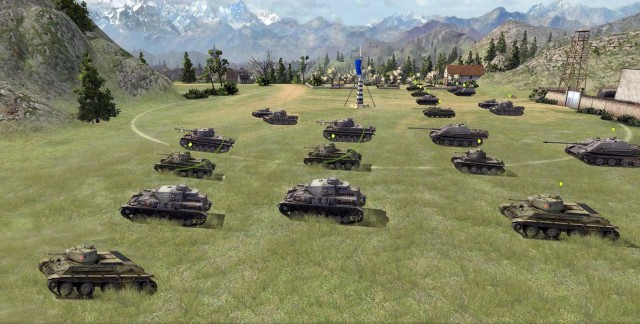
World of Tanks removed “pay to win” features and was mostly praised for this by Western fans.
When it comes to micro-transactions or content behind a paywall, it’s not the most logical response, admittedly. Game developers are right to want some sort of pay for their work, but player expectations have risen to the point that they expect to be able to enjoy a free-to-play game’s content in full without paying, and compete against paying players in online multiplayer. The “Have Your Cake and Eat It Too Act” has been ratified by a popular vote.
(See: Wargaming Asia has a huge remote team. Here’s how it keeps everything together)





Stay updated on the go with our mobile app.
Get latest insights with smoother, more personalized experience through TIA mobile app.











📅 Upcoming Events
22 October 2026
Payoneer x CSPN Summit 2026