 Nadine Freischlad · · 4 min read
In Indonesia, new businesses emerge out of the wave of makeshift social media ecommerce
Yep, Indonesia is a social country. It is the world’s 4th largest market for Facebook, and 5th for Twitter according to advisory firm Redwing.
But Indonesian users aren’t on social networks only to stay connected with family, friends, and colleagues. They use the same channels to sell goods. According to a 2014 report by Singaporean logistics firm SingPost, nearly 27 percent of all ecommerce sales happen through social media.
And really, why not? There’s no simpler way to sell a product than to post a photo on your existing channels and name the price. For small-scale sellers with an immediate connection to their customers this model might be just right. Especially Instagram has proven to be attractive for this type of entrepreneurship, not only in Indonesia.
There are disadvantages though: for sellers, it’s hard to reach new audiences outside of their existing circle of friends. For buyers, the issue is trust. They need to have some guarantee that the offer is legit. And for buyers, it’s also not easy to discover new sellers they’ve never heard of.
Interestingly, a number of businesses have emerged that seek opportunity by providing services on top of the social media selling phenomenon. Unlike marketplaces which invite users to register, open, and update virtual shops on their site, these companies aggregate content from existing social media channels.
Here are four local Indonesian players in this emerging segment, each with a unique angle.
Shopious
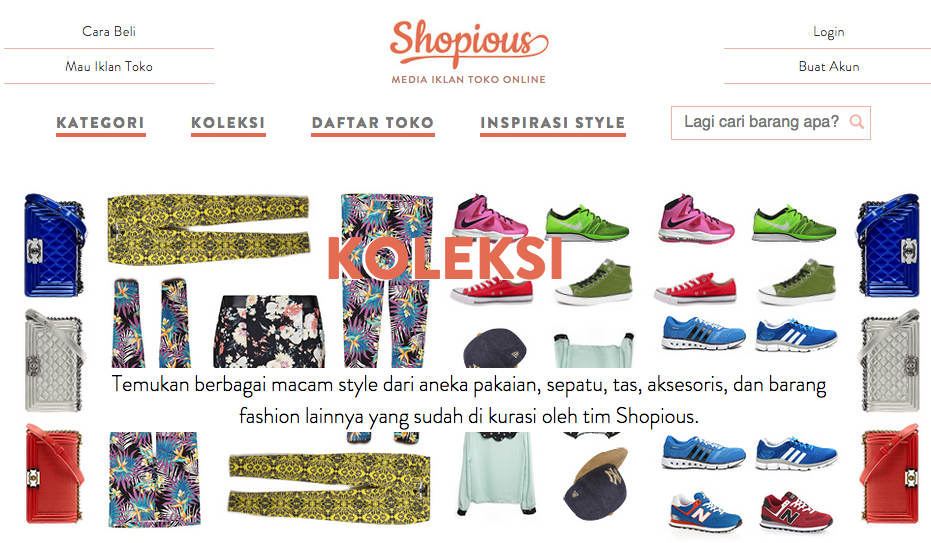
Shopius has been around since May 2013. The site started out as a C2C marketplace, but then shifted its focus. It began aggregating the information from fashion stores on Instagram. Instagram users register with Shopious and pay a fee to have their content integrated with the site. But any new photo they upload to Instagram will from now on automatically be posted to Shopious, and the seller no longer has to go through the trouble of keeping a shop website up to date. As aggregator, Shopify does not facilitate any transactions on its website. Buyers get in touch with the shop owners directly to close the deal. Shopius is strictly limited to fashion items.
Kleora
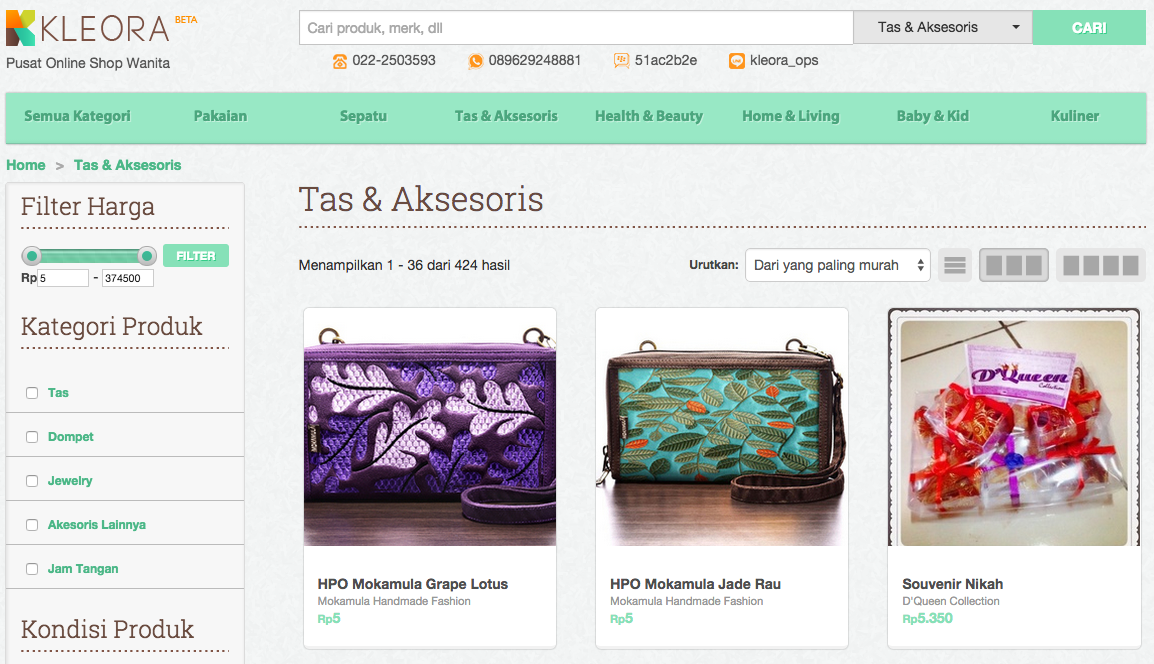
Kleora targets sellers who already run informal shops on Facebook, Twitter or Instagram. Similar to Shopious, this site, which was launched in 2014, requires sellers sign up to have their accounts integrated with Kleora. Their updates will now automatically show up on the site. As a marketplace, Kleora also facilitates the transactions on its platform. Kleora takes a commission from every sell, and allows all kinds of products.
Oiffel





Stay updated on the go with our mobile app.
Get latest insights with smoother, more personalized experience through TIA mobile app.










📅 Upcoming Events
22 October 2026
Payoneer x CSPN Summit 2026