- Insights This article was written by a TIA community member. Insights pieces undergo the same rigorous editorial process that newsroom-produced articles have.
 Shibabrata Mondal · · 8 min read
Problems large teams face with Agile: Team and culture
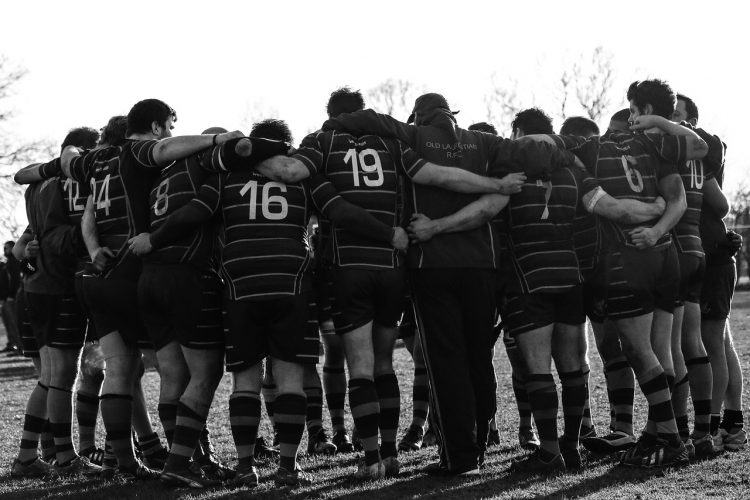
Photo credit: Chris Reading.
Agile assumes small, self-organizing, cross-functional teams but it does not tell us how a team gets created and attains the state of self-organization. Possibly, it’s left out of Agile literature because it is too complex and would vary for each team, thus making it hard to be very prescriptive. However, it is important that each team that is trying to adopt Agile takes a hard look into this gap.
Here, we will discuss some of the aspects that need to be thought through to find whether the team structure or some cultural changes should be instituted to suit Agile or vise versa.
Organizational structure
Currently, large software companies are structured in a way that allows for cross-functional teamwork but only at the higher levels of the hierarchy. The team members executing the projects are often at the lower levels of the hierarchy in the organizational chart where they work isolated from other functions. Any decision that requires cross-functional teamwork then needs to bubble up the organization structure; the decision needs to be made; and then the decision needs to trickle down.
Sometimes, when trying to adopt Agile, teams ignore the cross-functional aspect of the Scrum team and face some expectation mismatch downstream. Some companies create the cross-functional project teams when they start adopting Scrum without undertaking any other changes in the organizational or people management process. This is done partly because of the local problem-solving mindset with which Agile is adopted.
Another reason for this is the idea of cross-functional teams are not totally foreign to these companies. There are cases where cross-functional teams, which are called tiger teams in some companies, are created to solve some burning issues. This familiarity with the idea of cross-functional teams, however, causes more problems. If a company were fully unaware of it, they would sit up, take notice, and think of how to make it work. But companies often embrace the idea without fully assessing the implications. Tiger teams are typically temporary and work on high-profile, high-visibility, and high-impact tasks.
Working in these tiger teams is different from perpetually working in cross-functional teams in long-running projects. The call here is this: Do not sidestep this issue. It is important to take this up head on, analyze the current organization and culture, set attainable goals, and make a deliberate decision.
Career growth path
Today, teams in many large companies are organized by function, where titles and career growth plans are deep seated. The career growth plan that most people are aspiring for are typically: X, Senior X, Manager of X, Senior Manager of X, Director of X, Senior Director of X, Vice President of X, and so on. The job function, reporting chain, title, and career plans are all aligned nicely.
If project teams are supposed to be self-organizing and cross-functional, then an organizational structure and a career growth plan should be developed accordingly.
Functional manager’s role
The role of the manager is not well-defined in Scrum. Large software companies using traditional project management had big project roles for the functional managers in addition to people management roles. Introducing Scrum to these organizations creates confusion—should the functional manager take up a new role or focus on people management only?
It is important to have an open discussion at the onset to minimize uncertainties during the transition.
Self-organize
In large software companies, teams and organizational structures are almost synonymous. Even when cross-functional tiger teams are formed occasionally, they are created by a manager. So, this concept of self-organization is outlandish to these companies.
Consider your options carefully and make a deliberate choice. Make sure this key concept is well-understood and accepted by all in the beginning.
Leadership
Ask yourself this question: how do teams work? Look at the teams you work with or study successful sports teams and you will see leadership everywhere. Enterprises have achieved so much because of their leaders who are identified by and established with the titles conferred on them. They are expected to fulfill the leadership roles and responsibilities given to them.
Accountability
Power and responsibility
Skill levels, experience, and maturity
The first among equals
Product owner vs. product manager
Scrum master vs. project manager
Transparency and regular updates
Generalists vs. specialists
Geographical distribution of teams





Stay updated on the go with our mobile app.
Get latest insights with smoother, more personalized experience through TIA mobile app.











📅 Upcoming Events
22 October 2026
Payoneer x CSPN Summit 2026