- Insights This article was written by a TIA community member. Insights pieces undergo the same rigorous editorial process that newsroom-produced articles have.
 Shareem Thahir · · 5 min read
How driverless cars could make our daily commute better
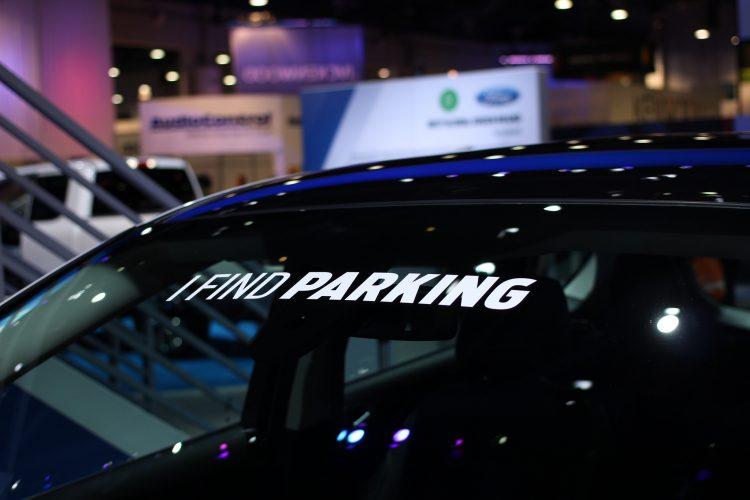
Photo credit: Maurizio Pesce.
With the revolution of the internet of things and big data, we are on the cusp of discovering an enormous technology that can probably transform the future of mankind. A number of good things are also happening, including driverless cars.
According to an exclusive analysis by Boston Consulting Group, the growth of autonomous vehicles will grow exponentially, and by 2035, “more than 12 million fully autonomous vehicles are expected to be sold per year globally.”
Perhaps it won’t be long before sitting in traffic jams, twiddling your thumbs, and putting up with congested roads, pollution, loud honks, and absent-minded pedestrians become a thing of the a past.
In this article, we will look at the different ways in which driverless cars can enhance travel.
How driverless cars work
Before going any further, it would be interesting to learn how autonomous vehicles or self-driving cars work.
Automobile manufacturers develop these cars with a self-parking feature, specialized safety systems, and various sensors. Radar sensors monitor the position of other vehicles, pedestrians, and hurdles around a vehicle. Lidar sensors gauge road edges and identify lane markings. Ultrasonic sensors help in parallel parking.
All these sensors, along with GPS and odometry, help to plot trajectory, avoid obstacles, and make the drive smooth. There is a multi-domain controller to collect and apply all the data coming in from the sensors.
Driverless cars are also capable of reading road signs, keeping track of vehicles in their vicinity, and detecting traffic lights. It sounds like there are many things involved to make driverless cars successful, but as technology continues to advance at a dramatic rate, self-driving cars can become a reality very soon.
Google and Apple (yes, Apple is manufacturing electric cars with self-driving capabilities, though the technology behind it has not been revealed yet) have self-driving cars already, and other car manufacturers like Tesla, Tata Elxi, and Ford are joining the bandwagon.
Here is a simple explanation of the different levels of automated driving systems:
Stage 0: The driver has control of the car all the time. This is where most cars are today.
Stage 1: Certain car manufacturers have automated features in their vehicles like automatic braking and electronic stability.
Stage 2: The driver gets to enjoy two automated controls like lane keeping and adapting cruise control at the same time.
Conclusion





Stay updated on the go with our mobile app.
Get latest insights with smoother, more personalized experience through TIA mobile app.












📅 Upcoming Events
22 October 2026
Payoneer x CSPN Summit 2026