- Premium Content It takes our newsroom weeks - if not months - to investigate and produce stories for our premium content. You can’t find them anywhere else.
 Tay Tian Wen · · 8 min read
Is Singapore’s struggle with LGBTQ acceptance hampering its tech ambitions?
In a speech last year, Prime Minister Lee Hsien Loong outlined Singapore’s efforts to strengthen its tech ecosystem.
Anticipating a hiring surge by big tech companies that have flocked to the country in droves, his government created the Tech Pass scheme to attract talent and the Tech@SG program to sweeten Singapore’s appeal as a business location. The city-state’s aspirations to become a vibrant tech hub are clear.
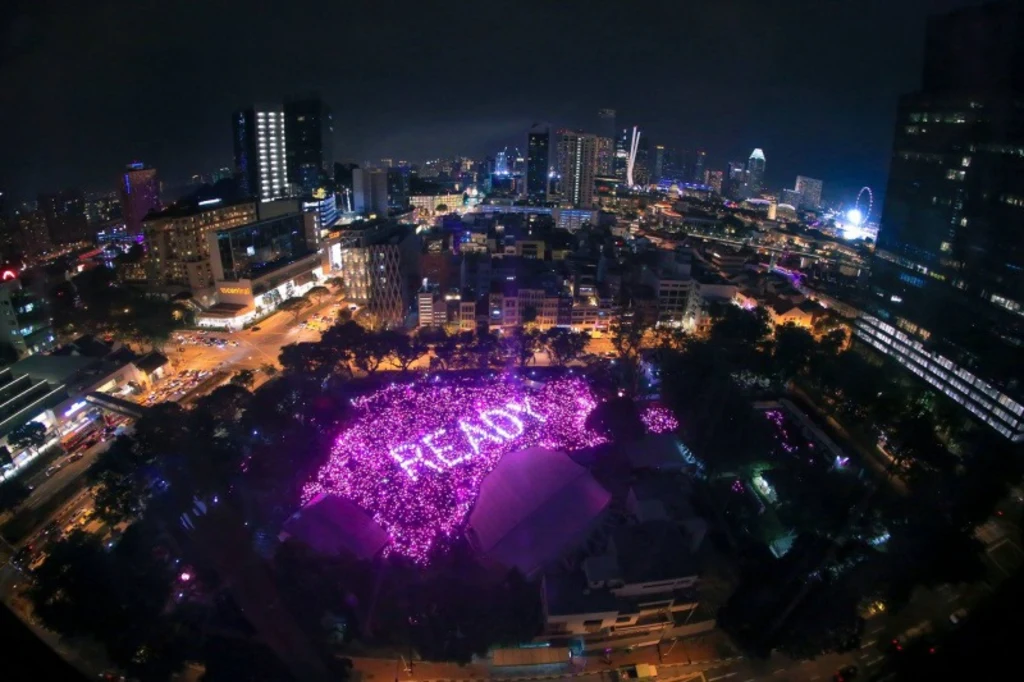
Image credit: Sebastian Tan
But a sizable group feels left out from this push. For members of Singapore’s lesbian, gay, bisexual, transgender, transsexual, and queer (LGBTQ) community, being told by the prime minister that they were “valued members of society” doesn’t reflect their everyday realities.
Among this community are local and foreign talent that the country needs to realize its high-tech future. Turned off by the government’s ambivalence on LGBTQ acceptance, many have found better prospects in more inclusive cities such as Taipei, Hong Kong, and Tokyo.
Far-reaching censorship
At the root of Singapore’s struggle with LGBTQ acceptance is the lack of awareness that a problem exists in the first place.
That stems from local censorship regulations that “prohibit the positive portrayal of LGBTQ people” in the mainstream media, according to Red Dot for Pink Dot (RD4PD) spokesperson Deryne Sim.
RD4PD began as a campaign launched in 2017 by Darius Cheung, founder and CEO of online property portal 99.co, to secure 100 local corporate sponsors for Pink Dot, a movement that aims to promote greater understanding, inclusion, and acceptance of the LGBTQ community in Singapore.
Since then, RD4PD has become a platform for local companies to “network, share best practices, and lend their support” towards inclusion and diversity in the city-state, says Cheung.
LGBTQ censorship is far-reaching in the country. Singapore’s Internet Code of Practice and Free-To-Air Television Programme Code limit the positive depiction of homosexuality in media.
“Because of these regulations, the general population has very little awareness, is ambivalent, and – in the worst-case scenario – has a lot of unfounded prejudice against the LGBTQ community and the issues we face,” Sim, who identifies as a lesbian, tells Tech in Asia.
A survey conducted by Singapore’s Institute for Policy Studies (IPS) earlier this year found that out of over 2,000 local participants, 59.3% felt that homosexuality was “never or seldom justifiable.”
The widespread perception of Singapore as a culturally diverse nation doesn’t help.
“Right off the bat, we’re seen as multireligious, multiracial, and open to expats of all nationalities,” observes Andee Chua, an outspoken advocate for LGBTQ issues and rights in the country. He is also a culture coordinator at the Singapore office of US software company HubSpot.
Welcome yet unwelcome
Corporates step up, but with mixed results
What must come next
Stay ahead in Asia’s tech landscape
This is premium content. Subscribe to read the full story.
The country’s ambivalence on LGBTQ acceptance risks an exodus of tech talent.
We know this is not ideal. ⌛ Sign up in 20 seconds. Cancel anytime.
Our subscriber community includes professionals from these companies:





Stay updated on the go with our mobile app.
Get latest insights with smoother, more personalized experience through TIA mobile app.












📅 Upcoming Events
22 October 2026
Payoneer x CSPN Summit 2026