- Premium Content It takes our newsroom weeks - if not months - to investigate and produce stories for our premium content. You can’t find them anywhere else.
 Scott Shuey · · 7 min read
Why are Sega, Bandai, Square Enix backing this blockchain?
Blockchain games have been touted as the next big thing in gaming for almost five years. While the sector has made headlines good and bad, there’s one question that keeps popping up: where are the AAA games?
They are on their way, albeit slowly. 2023 is supposed to be the year that developers of iconic characters such as Mario and Sonic finally make the leap onto the chain.
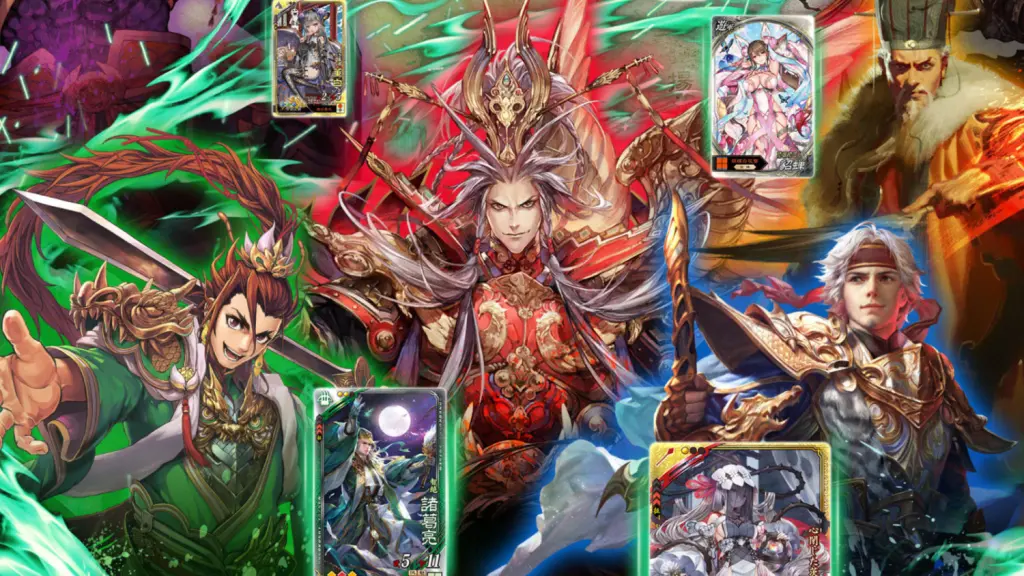
Sega’s Sangokushi Taisen is being made into a blockchain game / Image credit: Sega
The long run-up was due in part to their developers’ concerns about how crypto-based games will handle a massive user base and what the introduction of token-based economies into video games will mean for the corporate world.
Now a new blockchain called Oasys, backed by gaming giants including Sega, Bandai Namco, and Square Enix aims to help mainstream developers enter the cryptoverse. The Singapore-headquartered platform started operations in February 2022, launched its mainnet last October, and has raised US$20 million in seed and ventures funds to date.
As of February 16, 12 games are playable on Oasys, and the company want 20 titles running on it by the end of the second quarter.
Oasys hopes to see its first AAA games from Sega later this year. In October, Sega announced it was working with Double Jump Tokyo to develop a Web3 game based on the Sangokushi Taisen franchise. No official launch date has been announced.
One of the simplest reasons for the slow pace is the issue of introducing AAA games on a new platform. Console and PC-based games have traditionally faced issues during launch, often to the embarrassment of the publishers.
When it was rolled out in 2020, Cyberpunk2077 ran into so many problems like hours-long login times and persistent bugs that it was pulled from PlayStation Store temporarily.
Now add a new technology – blockchain – into what is already a difficult situation. Nothing even has to go wrong: If one game becomes massively popular, a surge in unexpected transactions could crash the whole blockchain, including any other games and marketplaces that use it. No game publisher wants to be remembered for being the first to crash an entire game network.
With that in mind, major video game publishers, especially traditional Japanese companies, won’t rush to release games that put their prime characters in a potentially difficult situation, explains Ryo Matsubara, a representative director for Oasys and the former head of global alliance at Double Jump Tokyo.
Layering up the blockchain
Oasys’ solution to the problem is to split the chain, so to speak. Layer 1 (L1) – the infrastructure layer – will still be used by all, but in-game transactions will be processed on Layer 2 (L2), which is generally used to enhance the speed and reduce the cost of performing transactions on a blockchain. Each game and title will have its own L2. Having a separate processing layer means if a surge in popularity were to overload a game, a crash wouldn’t affect anyone else on the chain.
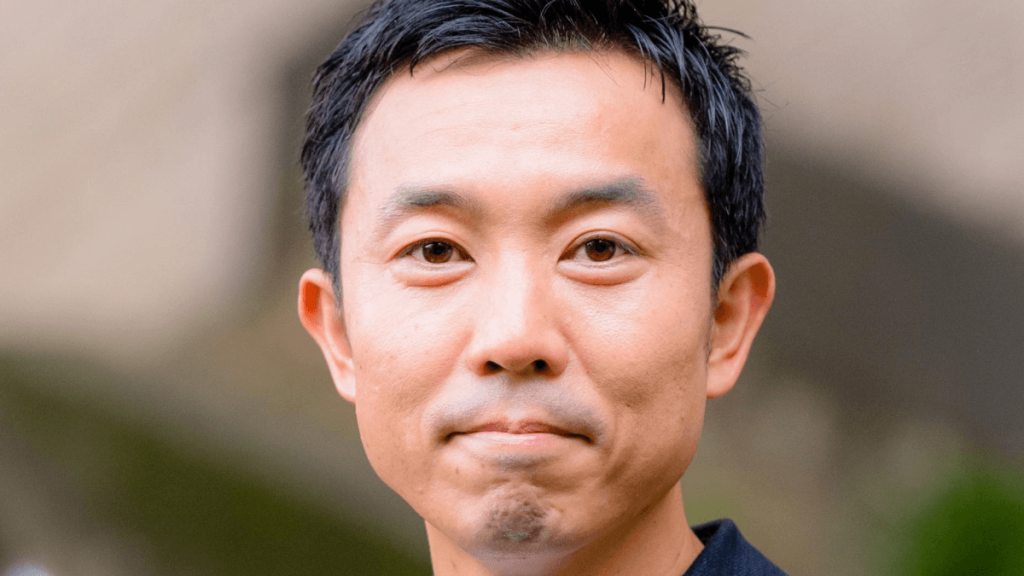
Oasys’ director Daiki Moriyama / Photo credit: Oasys
Oasys and the Ethereum issue
Digital assets and real world corporate issues
Stay ahead in Asia’s tech landscape
This is premium content. Subscribe to read the full story.
Oasys’ new gaming-focused blockchain has an edge that’s hard to replicate: the support ofJapanese gaming giants. But it has unique challenges, too.
We know this is not ideal. ⌛ Sign up in 20 seconds. Cancel anytime.
Our subscriber community includes professionals from these companies:





Stay updated on the go with our mobile app.
Get latest insights with smoother, more personalized experience through TIA mobile app.








📅 Upcoming Events
22 October 2026
Payoneer x CSPN Summit 2026