- Premium Content It takes our newsroom weeks - if not months - to investigate and produce stories for our premium content. You can’t find them anywhere else.
 Simon Huang · · 8 min read
Sea could be massive in the metaverse if it wants to be
Interest in the metaverse has been surging, especially since Facebook announced that it was changing its name to Meta and going all in on bringing the metaverse to life.
But what exactly is the metaverse? Venture capitalist and pioneering metaverse thinker Matthew Ball has an answer.
He defines it as “a massively scaled and interoperable network of real-time 3D virtual worlds which can be experienced synchronously and persistently by an effectively unlimited number of users with an individual sense of presence, and with continuity of data, such as identity, history, entitlements, objects, communications, and payments.”

Image credit: Garena
The metaverse will not have a single founding moment. Indeed, bits of it are already around us. Millions, for instance, watched as American singer Arianna Grande performed live in the game Fortnite. Children are also learning about math by building virtual theme parks within online game platform Roblox. And orthopedic surgery residents in the US are using Oculus Quest headsets to perform virtual procedures.
Even so, different elements need to come together before the metaverse can really take off. Key pieces of the jigsaw puzzle include the hardware, platform, infrastructure (financial and otherwise), software, and network. No one company will be able to build the metaverse on its own, so collaboration is crucial.
In addition to Meta, companies that have come out with their metaverse ambitions include tech giants Microsoft and Tencent, gaming companies Epic and Roblox, and software companies Unity and Adobe.
Sea Group’s name isn’t in the mix, but the Southeast Asian tech giant is well-positioned to ride the metaverse wave should it choose to do so.
Why Sea has a leg up
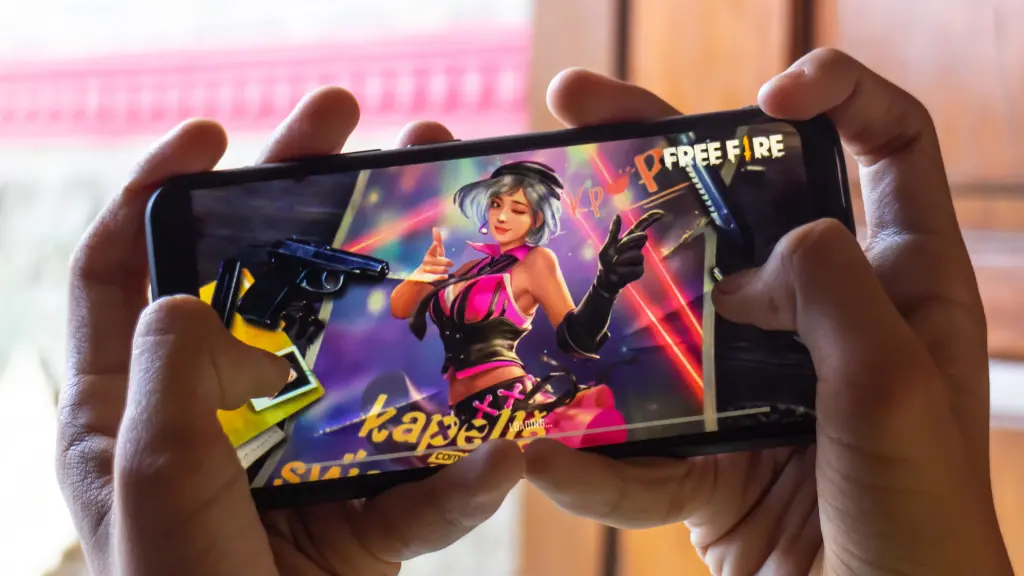
Sea already has a gaming platform that attracts many users. Free Fire, its self-developed battle royale shooting game, has over 150 million peak daily active users, who each spend an average of two to three hours in the game every day.
Like Epic Games’ Fortnite, Free Fire has developed into a social platform organically. Users don’t just come to play the game. Increasingly, they are there to hang out, listen to music, and socialize.
That said, building a platform from scratch is tough and won’t come cheap. Users have to be incentivized to come online, which leads to a chicken-and-egg problem: Creators are less likely to produce content for a platform with few users, while users will be reluctant to immerse themselves in a virtual community lacking content.
The novelty of the metaverse will undoubtedly attract the curious and tech-savvy, but many are equally likely to find the whole concept strange or dystopian and be reluctant to try it.
Sea won’t face these issues since Free Fire is already well on its way to becoming a social platform with scale.
The significance of Free Fire Max
Notable acquisitions and investments
Will current success inhibit future potential?
Stay ahead in Asia’s tech landscape
This is premium content. Subscribe to read the full story.
Sea’s dominance in gaming and ecommerce, its big bet on finance and payments, and its wager on crypto make it a potentially formidable metaverse player.
We know this is not ideal. ⌛ Sign up in 20 seconds. Cancel anytime.
Our subscriber community includes professionals from these companies:





Stay updated on the go with our mobile app.
Get latest insights with smoother, more personalized experience through TIA mobile app.








📅 Upcoming Events
22 October 2026
Payoneer x CSPN Summit 2026