- Premium Content It takes our newsroom weeks - if not months - to investigate and produce stories for our premium content. You can’t find them anywhere else.
 Terence Lee · · 10 min read
What’s driving the revival of Southeast Asia’s B2B ecommerce
In Southeast Asia, Rocket Internet will forever be associated with online shopping sites Lazada and Zalora.
What people may not know is that the venture builder was an early but premature pioneer of business-to-business ecommerce in the region. OfficeFab, a startup that’s modeled after US office supplies retailer Staples, died in 2013.
However, B2B ecommerce’s impact in Southeast Asia isn’t comparable to its gains in China and India. Alibaba started as a platform for suppliers before launching its consumer businesses. Meanwhile, IndiaMart listed in 2019 and is now profitable.
But a resurgence may be happening. Consumer ecommerce is hitting its upper limit, forcing investors and ecommerce firms to seek opportunities in lucrative but untapped areas.
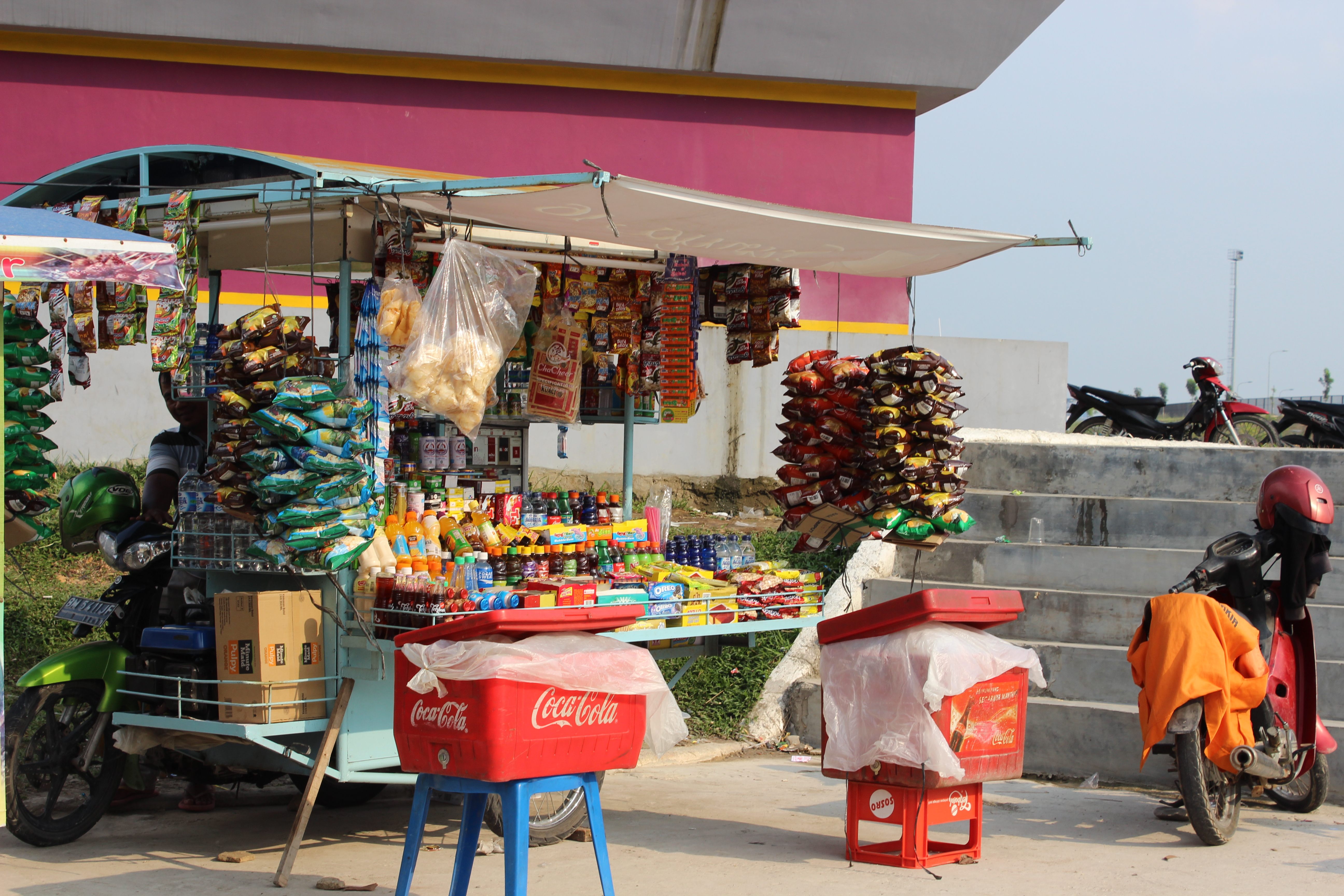
A motorbike-mounted warung selling typical fare in Pekanbaru, Riau Province, Indonesia / Photo credit: Ramzy Muliawan
Southeast Asia seems ready, too. Online platforms like Tokopedia, Grab, and Gojek, as well as payments services providers like GoPay and Ovo, have introduced millions of merchants to a new form of commerce.
“B2B ecommerce can thrive when business-to-consumer ecommerce has proven the use case and reliability,” says a founder of an ecommerce services firm, opting to remain anonymous.
Indeed, compared to a decade ago, businesses in Southeast Asia may be more willing to ditch face-to-face meetings and bookkeeping on pen and paper.
“Chat and web have started to take over and many B2B orders are negotiated and processed through chat platforms,” observes Paul Srivorakul, CEO of ecommerce services provider aCommerce.
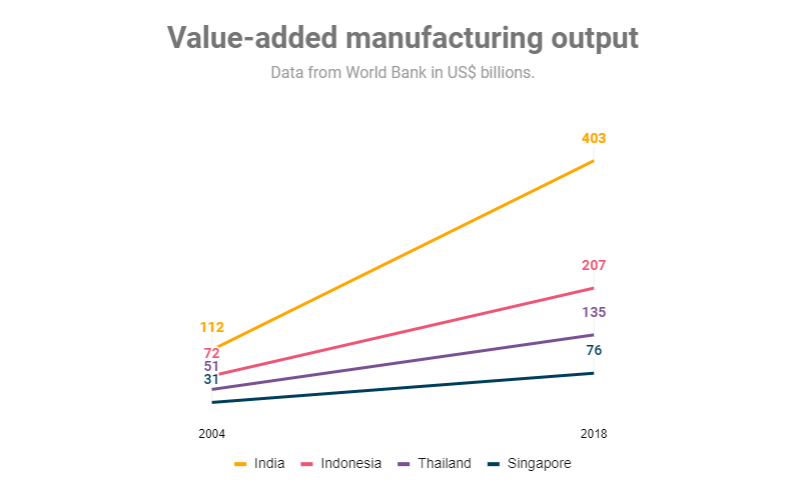
In the meantime, the manufacturing industry has grown multifold, with Indonesia’s and Thailand’s outputs surpassing US$100 billion, according to data from the World Bank.
Looking over the horizon, the US-China trade war is already driving factories away from China and steering them towards Southeast Asia. The Covid-19 epidemic is another factor that could force firms to further diversify their supply chains away from the mainland.
These trends could spur small suppliers in the region who are motivated and savvy enough to invest in tools that can grow their business.
The Alibaba of Southeast Asia?
Mom and pop revolution
Facing resistance
Stay ahead in Asia’s tech landscape
This is premium content. Subscribe to read the full story.
The conditions may be ripe for a resurgence. Will business-to-business ecommerce companies get it right this time around?
We know this is not ideal. ⌛ Sign up in 20 seconds. Cancel anytime.
Our subscriber community includes professionals from these companies:





Stay updated on the go with our mobile app.
Get latest insights with smoother, more personalized experience through TIA mobile app.







📅 Upcoming Events
22 October 2026
Payoneer x CSPN Summit 2026