- Premium Content It takes our newsroom weeks - if not months - to investigate and produce stories for our premium content. You can’t find them anywhere else.
 Emmanuel Samarathisa · · 5 min read
The good, the bad, and the ugly of Malaysia’s govtech push
Dan Lain-Lain (Malay for “and others”) is a weekly column by Tech in Asia journalist Emmanuel Samarathisa that dissects the goings-on in the Malaysia tech scene but with a heavy mix of current affairs, policy, and politics. Click here to read past articles.
Malaysia wants to go big on govtech. Don’t take my word for it. Even Catcha Digital founder Patrick Grove wants in.
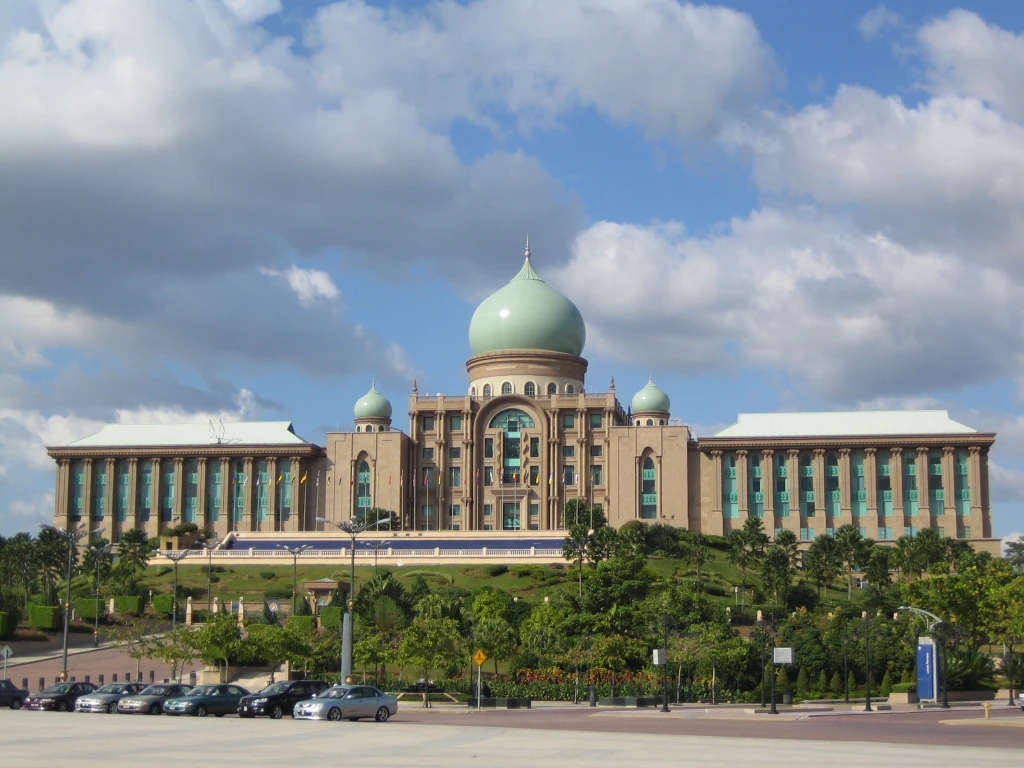
Putrajaya, the administrative capital of Malaysia, is embarking on a massive digitalization project of public services. / Photo credit: Wikicommons
But before we dive into this, we need a definition: Govtech refers to public sector modernization. That’s still vague, but in essence, it refers to the digitalization of government services to help them better serve the public.
The government under Prime Minister Anwar Ibrahim has given some emphasis on this aspect of the tech space in the past few months. In May, Anwar said that his administration will establish a dedicated center to focus on, among others, govtech.
One component of this push is the consolidation of information technology systems.
Economic Affairs Minister Rafizi Ramli said that there are 297 government databases existing independently, and maintaining all of them costs 7 billion ringgit (US$1.5 billion) a year.
He’s been meeting with investors and tech players to discuss the possibility of creating a “single window.”
To put things in perspective, Malaysia doesn’t have its own version of Gov.uk, the UK’s centralized hub for all government services, and that’s among the things the Malaysian government is working on.

Patrick Grove, co-founder of Catcha Group / Photo credit: Patrick Grove
Industry players have certainly taken the bait: Catcha Digital founder Grove announced in June that he’s setting up a business arm called i-Gov, where he’ll be looking to acquire current govtech concessionaires to “enhance their capabilities and services.”
But in Malaysia, like elsewhere, the govtech space isn’t straightforward. Here are three important things to consider:
The ugly
Government is political, so any kind of govtech venture will depend on political stability. Malaysia has seen some turmoil, with three regime changes between 2018 to 2022.
The bad
The good
Stay ahead in Asia’s tech landscape
This is premium content. Subscribe to read the full story.
The country’s latest tech drive may sound enticing, but startups should only go in with eyes wide open.
We know this is not ideal. ⌛ Sign up in 20 seconds. Cancel anytime.
Our subscriber community includes professionals from these companies:





Stay updated on the go with our mobile app.
Get latest insights with smoother, more personalized experience through TIA mobile app.