
In the time between doing our interview with Qisahn’s owner Soon Qishan and writing this article (just four days, mind!), two members of our team have already picked up two 3DS XLs and a copy of the latest Pokemon X and Y game each from the store.
It’s testament to the influence that Qisahn holds in the market. One of the biggest video game retailers in Singapore with an online shop welcoming up to 6,000 unique visitors a day, Qisahn is the go-to store for the best deals in video games.
We sat down with its owner, 27-year-old Soon Qishan, to learn about its history.
In the beginning…
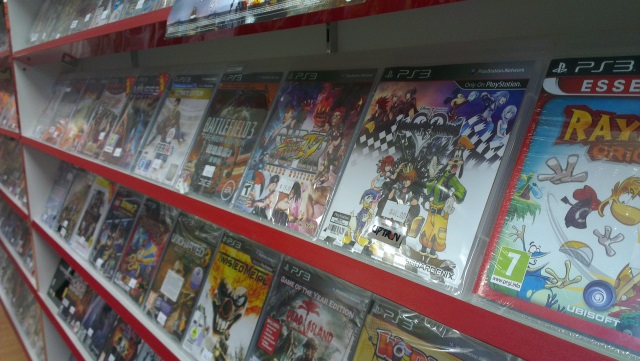
Qisahn began life as a HardwareZone account. Its owner, Soon, started by buying and reselling items off other HardwareZone threads. Even though he was making about S$10 ($8.10) per transaction, he felt that business was limited by how fast he could buy his stock. That prompted a move to Yahoo! Auctions and eBay, which opened up a new world to Soon.
To get more sales, he needed more items for people to buy. Soon began importing products from China. His first notable bulk purchase was screen protectors, which brought with them a high profit margin of about 200 percent to 300 percent. Even so, profits were still capped at S$2 ($1.60) per sheet since screen protectors were a low value product.
After his National Service, Soon found himself sitting at home for fifteen hours at a stretch, making just S$30 ($24.25) per day in profit. That was not counting his electricity bill. It wasn’t the best job, so when a friend called asking if he’d like to take up a door-to-door sales job, he took it. At S$7 ($5.70) per hour, it paid him more than he made.
It was during this stint that he met someone with a shipping contact in China. After the sales company shut it doors, Soon went back to selling products online.
But now he carried a wider range of products thanks to his new contact. One big profit-maker was memory cards, from which he could make S$5 ($4.05) to S$10 ($8.10) per card. It wasn’t easy, though. As with most HardwareZone sellers, Soon conducted his business via meetups. Every memory card sold meant cycling for ten minutes to the train station each time a customer got there. Sometimes he could make as many as five trips a day. It took him a while to finally decide on a fixed meeting time, proof that even the pros start somewhere.
Sometimes all it takes is luck
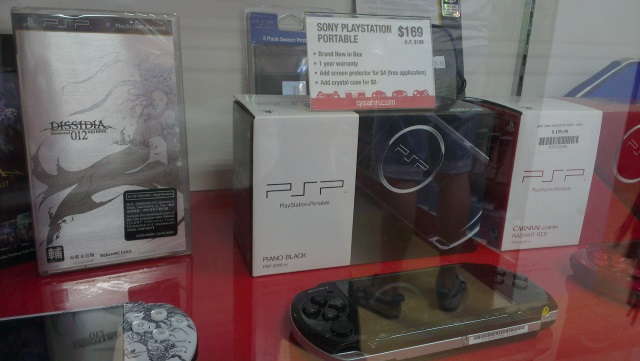
His big break came when a long-time customer, a video game retailer who had long been purchasing screen protectors and memory cards from him, told him about another video game store that had been undercutting him.
Setting up shop





Stay updated on the go with our mobile app.
Get latest insights with smoother, more personalized experience through TIA mobile app.













📅 Upcoming Events
22 October 2026
Payoneer x CSPN Summit 2026