Terence Lee · · 3 min read
Pokemon Go is a major milestone for augmented reality

Image credit: Lazarus.
Pokemon Go is already a meme. The mobile game, which gets you out into the real world to hunt pokemon, has apparently spawned pokemon in the weirdest places (it’s hard to verify if all of these are real though).
This underscore the massive initial popularity of the game, which superimposes 3D pokemon into real life using your phone’s camera.
But the biggest significance of the game is this: It’s now arguably the most popular augmented reality (AR) app in history, and has made the technology mainstream.
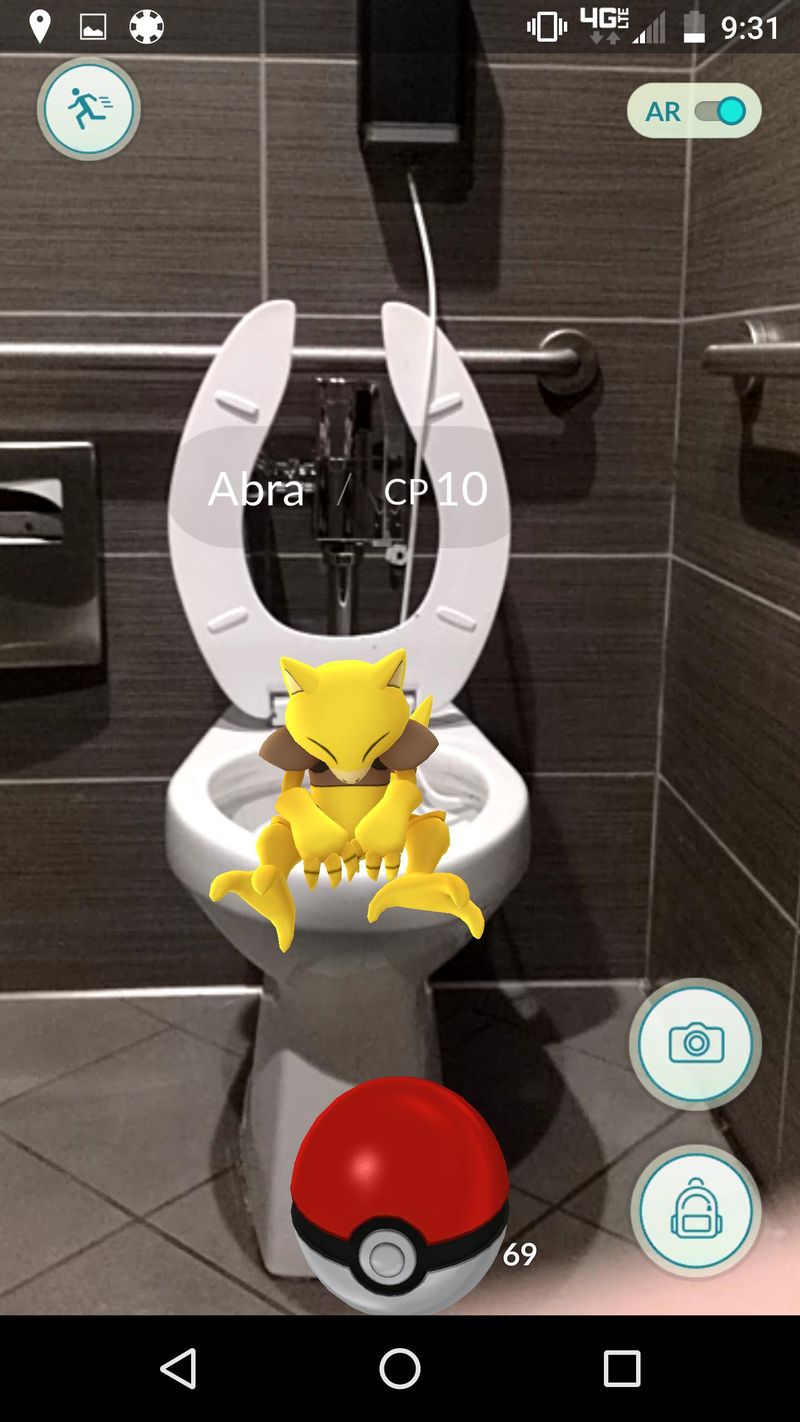
But wait a minute, didn’t Snapchat popularize AR with Snapchat Lenses? Sure, but it’s a feature, and not a foundation for the app.
And didn’t Ingress, another AR game, arrive before Pokemon Go?
Yes, but it was never as popular as Pokemon Go. Ingress barely got into the top 50 of the top app rankings on iOS before dropping out afterwards, according to app analytics firm App Annie.
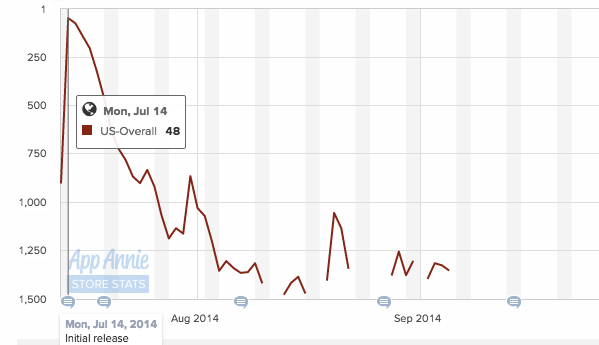
Ingress’ ranking on the iOS US app store. It didn’t fare better on Android.
Pokemon Go, on the other hand, became number one in United States, Australia, and New Zealand, within a few days after launch.
It’s not an accident. Both Ingress and Pokemon Go are made by a company called Niantic, which spun-out from Google. So some of the learnings from Ingress must have made it into the descendent. Another contributor to its fast rise is the fact that Pokemon is such a cultural phenomenon and a well-known brand.
Ways to go
The game has been plagued by problems though. It delayed launching in certain countries as it apparently couldn’t deal with the server load.





Stay updated on the go with our mobile app.
Get latest insights with smoother, more personalized experience through TIA mobile app.