 Lilian Tang · · 6 min read
People maketh robots: building Asia’s robotics workforce

Summary:
- The robotics boom in Asia Pacific is intensifying competition for engineers who can turn technical knowledge into real-world solutions.
- Competitions like ABU Robocon give students hands-on experience with testing, failure, collaboration, and problem-solving that classrooms can’t replicate.
- HKSTP aims to bridge the gap between learning and industry through initiatives such as AI for All, Techathon+, and internship programs.
- Learn more about HKSTP’s initiatives supporting AI, robotics, and deeptech talent in Hong Kong here.
When we think about kung fu, we usually only remember the showdown with the elaborate moves and rapid-fire Wing Chun punches. It all looks effortless, as if it didn’t take years of practice and discipline to get there.
The same dynamic played out at ABU Robocon 2026, an annual university robotics competition bringing together teams from across Asia Pacific. This year’s Kung Fu Quest theme had teams building robots to take on a series of tasks demanding speed, precision, and strategy.
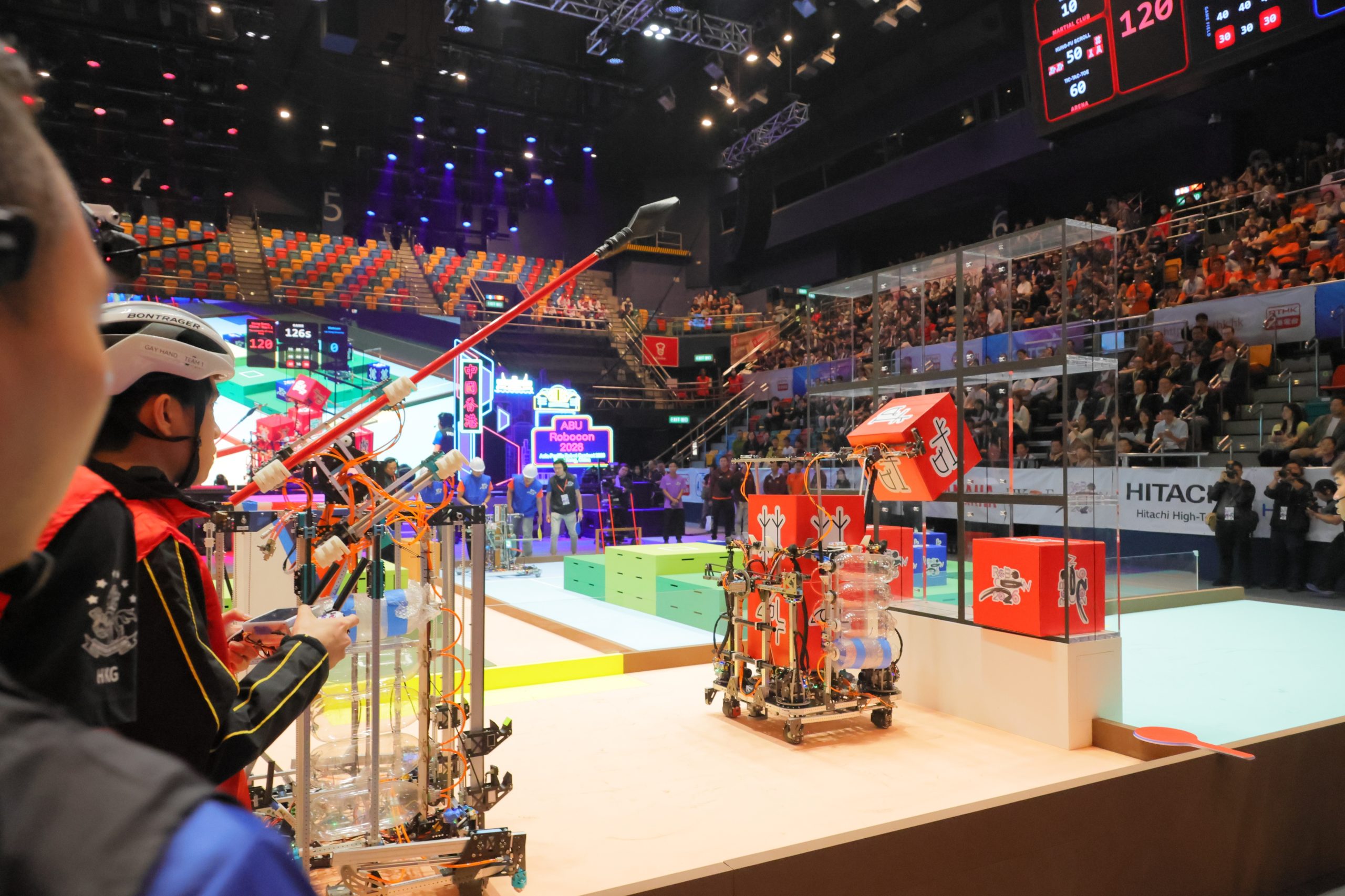
Crouching robot, hidden dragon / Photo credit: HKSTP
What the audience saw was a final spectacle that lasted only minutes. Behind it, however, were months of studying the rules, bringing new team members up to speed, and repeatedly building, testing, and refining the robots.
In the two or three weeks leading up to the competition, Match Ko, one of the supervisors of the eventual winning team from the University of Hong Kong (HKU), estimates that students were spending six to eight hours a day preparing.
The robots may have taken center stage, but machines don’t build themselves. Engineers do.
Mo’ robots, mo’ competition
According to Polaris Market Research, the global “future of robotics” market – which covers autonomous machines and AI-powered systems focused on automation – was worth US$90.5 billion in 2025 and is projected to exceed US$325.6 billion by 2034. Asia Pacific already accounts for more than a third of it.
For Hong Kong, it’s seeing that growth closer to home.
Hong Kong Science and Technology Parks Corporation (HKSTP), an orchestrator of the city’s innovation and tech ecosystem, is home to more than 2,500 tech companies, with more than 450 of them specializing in AI, says CEO Terry Wong. Deeper links with the Chinese Mainland and Asian innovation ecosystem are also opening more opportunities around research, commercialization, and talent exchange.
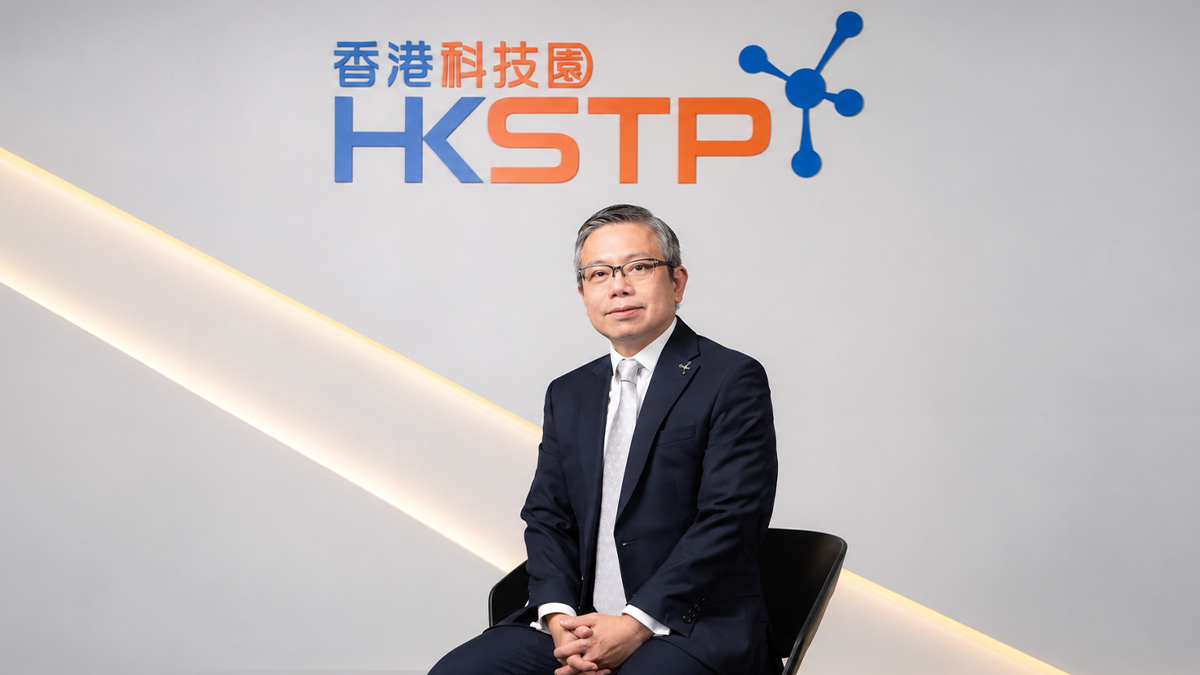
Terry Wong, CEO of HKSTP / Photo credit: HKSTP
But rapid growth comes with a catch: More companies are competing for a small pool of talent that specializes in building, deploying, and scaling AI.
This makes talent an ecosystem issue rather than just an HR one. Wong describes a strong talent pipeline as part of a “virtuous cycle,” where a deeper pool of skilled people can support entrepreneurship, attract investment, and help research move faster into commercial applications.

That said, simply having more engineers isn’t enough. Wong says companies need people who can “turn technical capabilities into practical solutions that address real-world challenges.” Technical foundations still matter, but so do judgment, communication, and the ability to work across disciplines and industry contexts.
Theory vs. reality
To get to the root of the issue, it’s worth looking at how engineers develop these capabilities.
While robotics and mechatronics have become more established in university curricula over the past two decades, not every student gets the same opportunity to put that knowledge into practice.
“Depending on the resources available, practical exposure can be limited from country to country,” says Ahmed Nadeem, secretary-general of the Asia-Pacific Broadcasting Union (ABU), which represents broadcasting organizations across 66 countries.
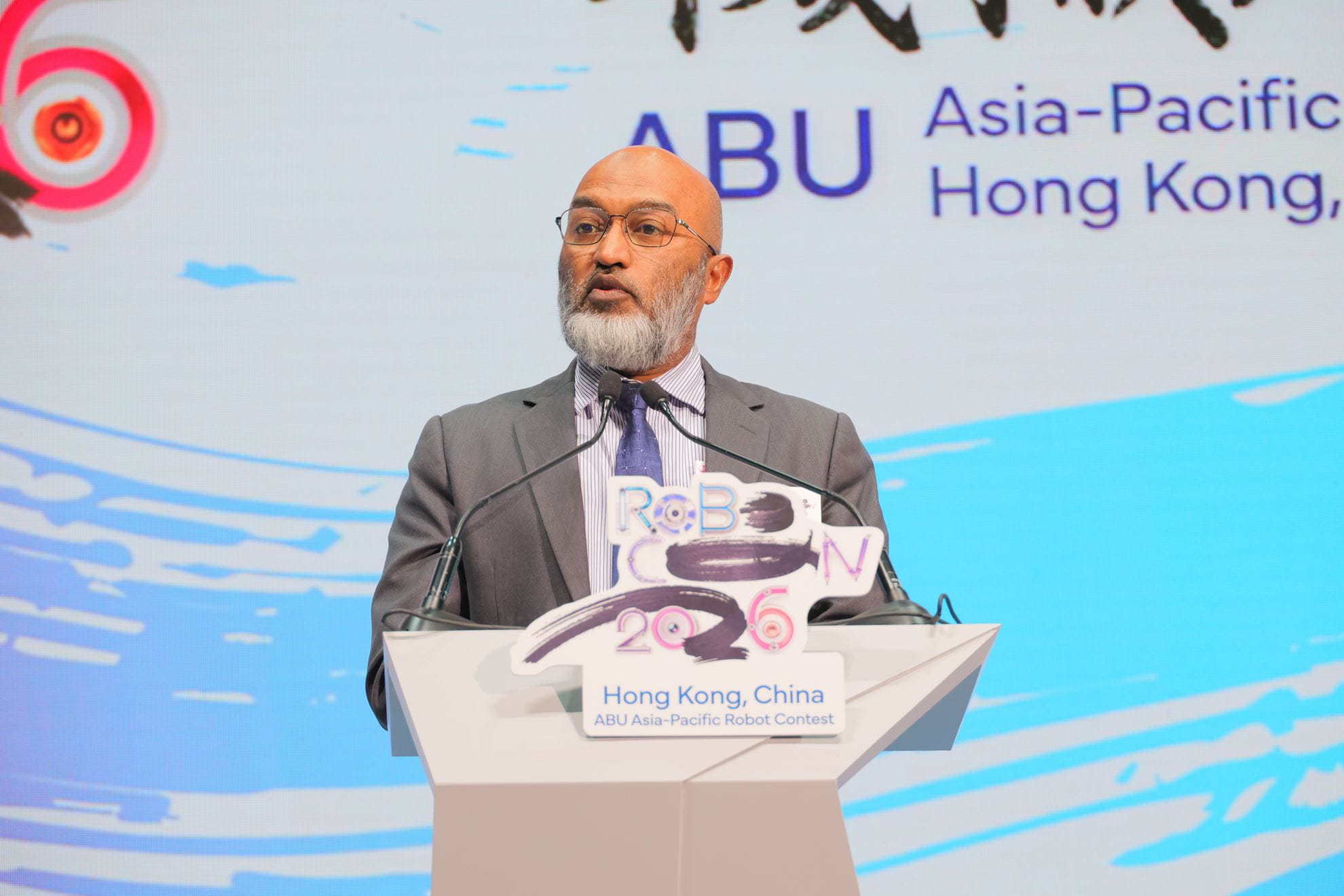
Ahmed Nadeem, secretary-general of ABU / Photo credit: HKSTP
Robocon gives students a stage to put what they have learned into practice, test their ideas under real-world constraints, and gain hands-on engineering experience beyond the classroom. Nadeem adds that bringing components together, adding code, and getting a robot to work is where creativity and innovation come in.
For the HKU team, preparing for Robocon meant more than making a working robot.
“They need to build, they need to test, they need to debug, they need to fail, they need to improve,” Ko says.
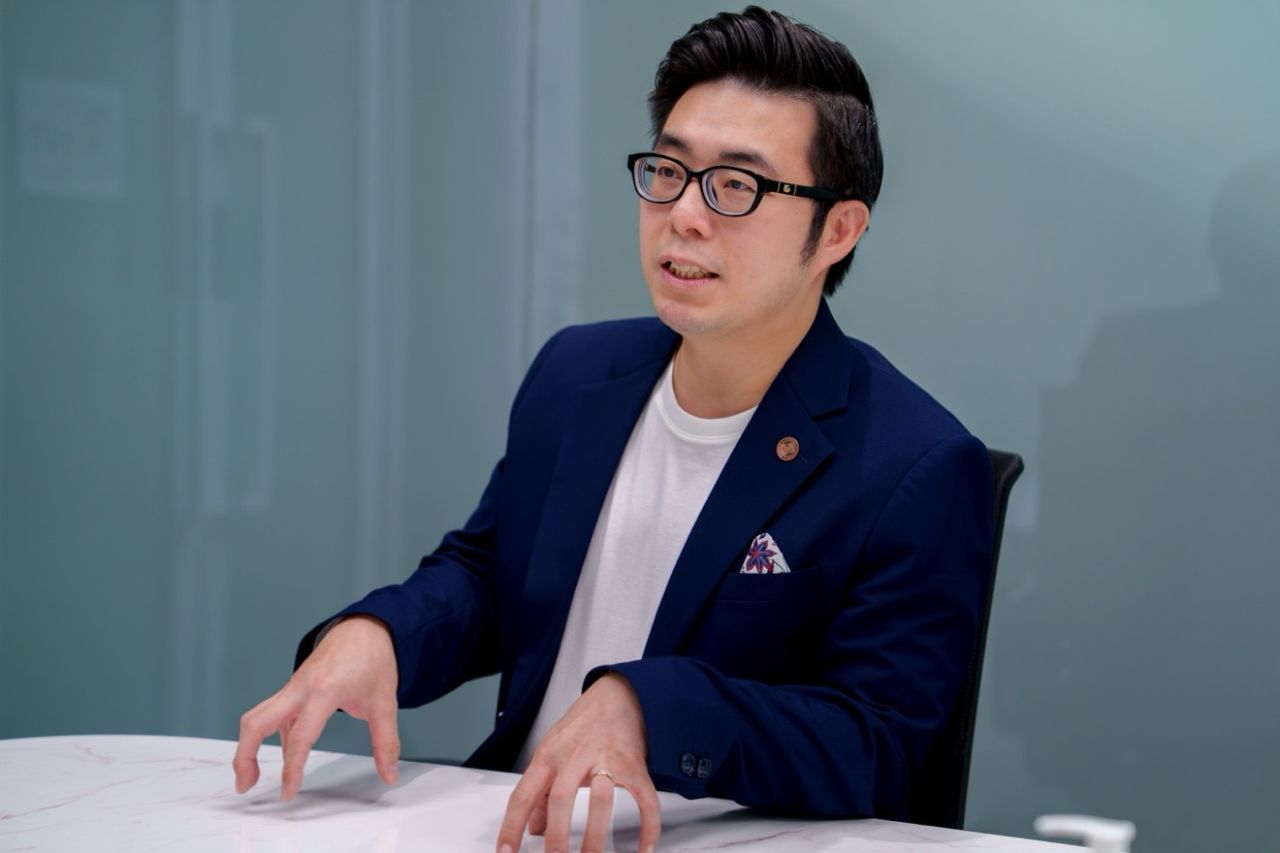
Match Ko, winning team supervisor from HKU / Photo credit: HKSTP
A problem in one part of the system could affect another, forcing mechanical, electrical, and software teams to troubleshoot together.
During practice, Ko recalls students becoming so focused on completing tasks quickly that they sometimes fell foul of the competition rules. Although they knew how to control the machine, they still had to learn how to use it strategically within the constraints of the game.
Failure was also part of the process. Ko stresses that students should learn enough from each failure to “make new mistakes every day,” rather than repeat old ones.
Beyond the arena
While initiatives like Robocon give students more opportunities to build, this only solves one side of the problem. The other is making sure the right engineers find their way to companies that need them.
“AI talent development shouldn’t be viewed as a series of separate programs. It’s a journey,” Wong says.
HKSTP’s “AI for All” Inclusive Program follows that journey through three stages. First is cultivation, which builds foundational knowledge. Second is industrial practice, which gives participants somewhere to apply that knowledge, such as in initiatives like Robocon, the Techathon+ innovation competition, and apprenticeships. Third is realization, which connects those skills with employment, entrepreneurship, and the needs of HKSTP companies.
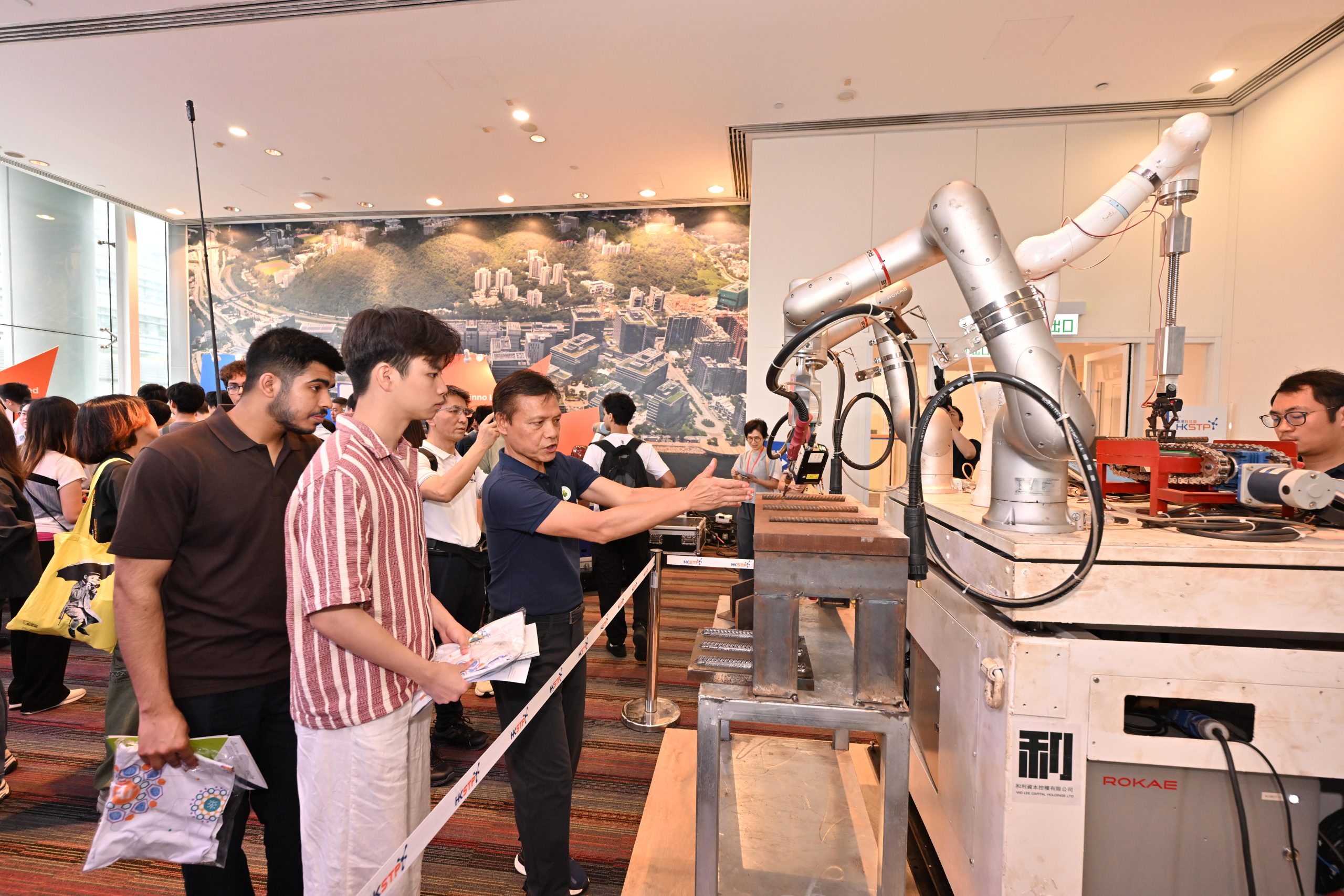
Students get up close and personal with emerging tech at HKSTP’s career fair / Photo credit: HKSTP
There is no shortage of appetite from students either.
According to Wong, HKSTP’s internship programs received more than 10,000 applications this year, with over 500 students admitted into placements spanning technical and business functions. Students get first-hand experience working with startups and tech companies, while employers get an earlier opportunity to engage talent around real business needs.
“The best way to future-proof talent is not to focus solely on specific technologies,” he says. “While tools and platforms will continue to change, capabilities, practical skills, and mindset remain essential.”
Established 25 years ago, HKSTP is Hong Kong’s leading innovation and tech ecosystem, supporting 14 unicorns and over 2,500 tech companies across sectors such as AI and data science, life and healthtech, microelectronics, and new energy and greentech. It provides end-to-end support to attract and nurture talent, accelerate commercialization, and help tech ventures scale.
Explore HKSTP’s initiatives supporting AI and robotics innovations for startups, R&D, and enterprises here.
This content was produced by Tech in Asia Studios, which connects brands with Asia’s tech community. Learn more about partnering with Tech in Asia Studios.
Stay updated on the go with our mobile app.
Get latest insights with smoother, more personalized experience through TIA mobile app.
Recommended reads
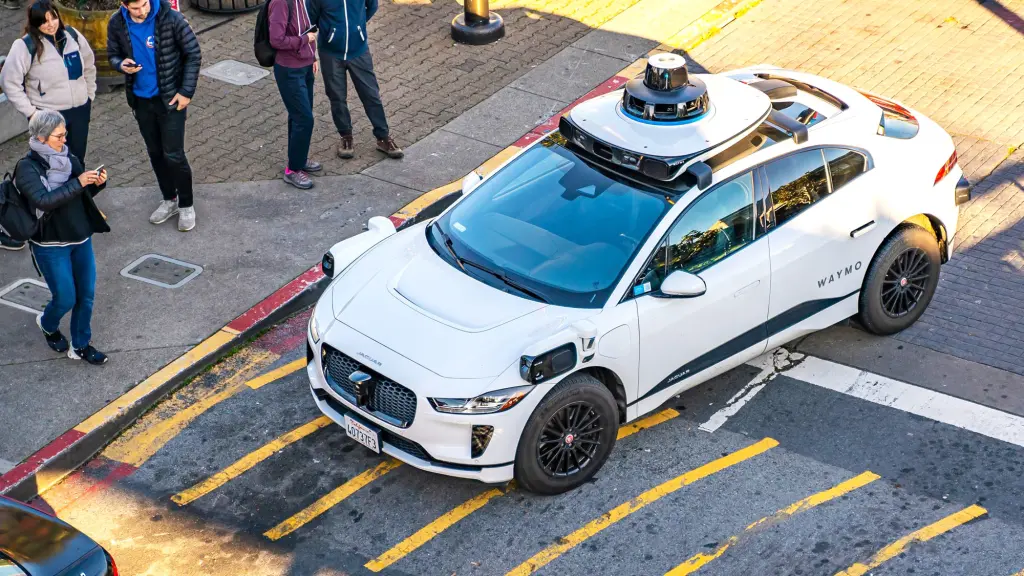 High car costs give Singapore a robotaxi edge: Waymo founder
 Automating premium hotel kitchens with sensors
 Who pays for AI in your language?
 MoneySmart grows revenue by 26% in 2025, but AI threatens margins
 The truth about AI language models: No one wants to pay for them
 Tracking AI hiring in Singapore: OpenAI, Anthropic, and more
 Korea’s physical AI ambitions meet the factory’s bottom line
 SEA financials tracker: Moladin’s revenue rises 6% in 2025
 On‑demand services lift Line Man Wongnai’s 2025 revenue to $544m
 Flipkart’s costly late push into quick commerce and food delivery





Editing by Stefanie Yeo and Lorenzo Kyle Subido
(And yes, we’re serious about ethics and transparency. More information here.)








📅 Upcoming Events
30-31 March 2027
Upskill Fest