- Premium Content It takes our newsroom weeks - if not months - to investigate and produce stories for our premium content. You can’t find them anywhere else.
 Miguel Cordon · · 4 min read
Mober makes green logistics play in PH’s budding EV space
The electrified logistics sector in the Philippines is charging up. Global giant DHL, for instance, has deployed new electric vehicles this year, accounting for a quarter of its entire delivery fleet in the country.
Longtime player Fast recently joined the green mobility fray as well.
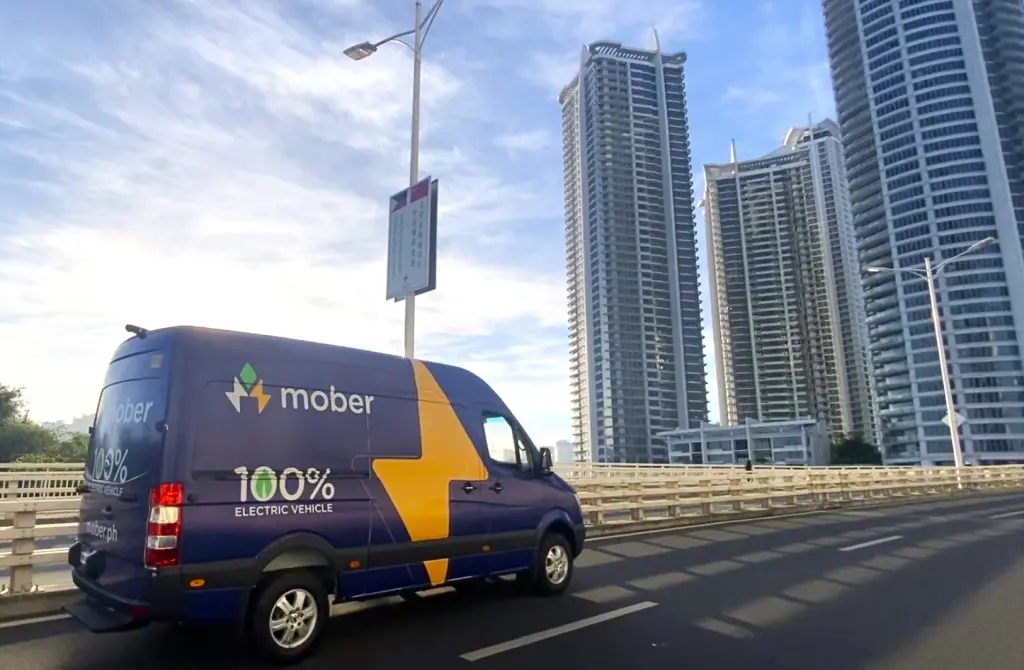
But EV logistics startup Mober was the earliest on the scene, if only by a whisker. The startup introduced EVs into its fleet in November 2021, just months before DHL did so.
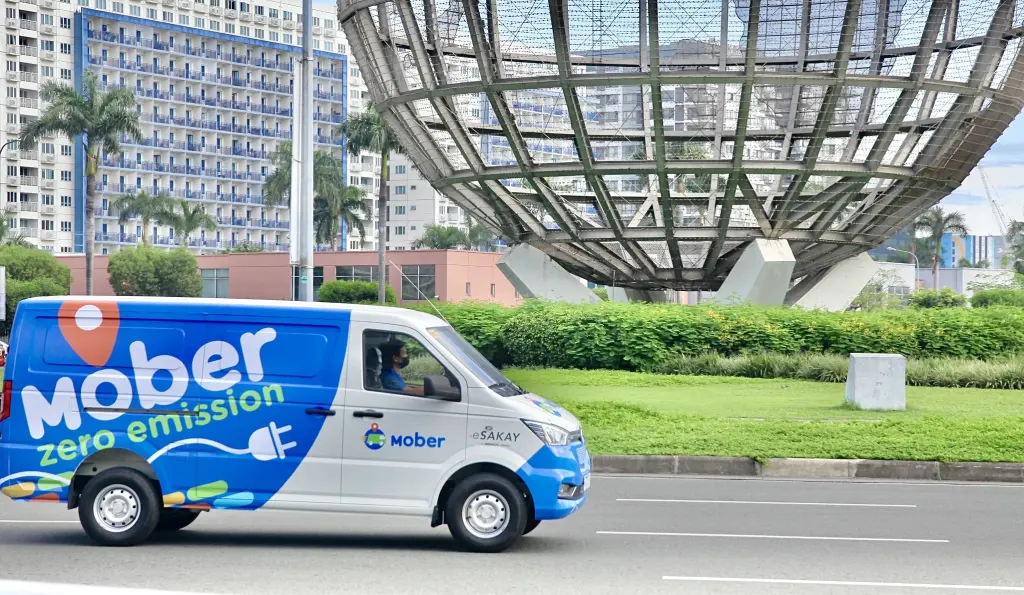
Photo credit: Mober
Mober started out in 2015 as an on-demand delivery platform for SMEs and individuals, CEO Dennis Ng tells Tech in Asia. But it was only in 2021 that the startup transitioned to green logistics and focused more on B2B and B2B2C services in response to changing market demand.
For example, Mober handles last-mile deliveries of online purchases for furniture retailer Ikea. Other clients include F&B titan Nestle Philippines and SM Appliance Center of SM Group, one of the largest conglomerates in the Philippines. Notably, SM Group previously invested in Mober through its subsidiary 2GO, an express cargo and courier solutions provider.
Leading the charge
As a first mover, Mober is in a position to “capture a significant share” of the B2B and B2B2C markets, according to Ng.
He concedes, however, that tapping into this opportunity comes with its own set of challenges, especially given the Philippines’ nascent EV infrastructure.
The country has only around 1,300 charging stations, “creating challenges for widespread EV adoption,” Ng shares. To encourage EV adoption in the country, the Philippine government intends to expand the number of EV charging stations to 65,000 by 2028.
See also: Mapping Indonesian coal kings charging local EV industry
Mober, however, is not relying solely on the government.
The company is building three charging depots that will range from 3,000 to 5,000 square meters each and be “strategically located” near key industrial and retail hubs, Ng says.
Mober also plans to set up a network of charging stations that would span almost 900 kilometers. The stations would be placed every 150 km to 200 km and would cover two out of the Philippines’ three major island groups.
Price to pay
Stay ahead in Asia’s tech landscape
This is premium content. Subscribe to read the full story.
The startup said it is the first logistics company in the Philippines to integrate EVs into its fleet.
We know this is not ideal. ⌛ Sign up in 20 seconds. Cancel anytime.
Our subscriber community includes professionals from these companies:





Stay updated on the go with our mobile app.
Get latest insights with smoother, more personalized experience through TIA mobile app.