 Abacus · · 4 min read
The Chinese billionaire who built AI to make smartphones take better photos
You have probably seen smartphone snapshots that look almost as good as if these were photos taken with professional camera equipment. That is because it now takes more than just hardware to produce better-quality pictures. AI has increasingly helped people take more beautiful images with their mobile phones.

Photo credit: Philippe Put.
In 1994, entrepreneur Michael Deng Hui rounded up funds from family and friends to start a business in Silicon Valley that would develop such image-enhancing technology.
The company Deng founded, ArcSoft, is now a major global provider of visual AI algorithm and software used for advanced camera systems in a range of platforms – from smartphones, tablets, and personal computers to smart televisions, cars, and robots.
Deng’s 25-year journey in this field has led ArcSoft to expand from the US into China, where many of the devices using the company’s software are manufactured. Deng recently joined the ranks of the country’s newest billionaires after his company went public on Shanghai’s Nasdaq-style Star Market.
His team at ArcSoft sharpened their focus on mobile photography in 2004, with the goal of using computer vision technology to improve how phone cameras performed.
That bet has paid off amid the rapid global growth of mobile phone users, who are estimated to surpass 5 billion this year, which means virtually everyone is carrying a pocket-sized camera everywhere they go.
With the trend towards more advanced smartphones, many users have come to expect high-quality still images and video taken with their devices, so they can post these on Instagram and other social media platforms.
Since there are physical limits on how many cameras can be deployed on a smartphone, the major handset vendors are using the latest software and AI algorithms to push the boundaries of mobile photography. Apple, for example, has used AI to enable the cameras on the latest iPhones to quickly distinguish human subjects when taking snapshots on portrait mode, in which the background is blurred.
ArcSoft’s software has been helping the cameras on many smartphone models shoot sharper and brighter pictures at night, adjust for movement to prevent blurred images and take 360-degree panoramic photos, among a range of features.
The company counts smartphone vendors Samsung Electronics, Huawei Technologies, Oppo, Vivo, and Xiaomi Corp. among its largest customers. Its technology is also used on several video livestreaming and photo-editing apps designed with so-called beauty filters, a feature that initially became a hit in China and is now popular around the world.
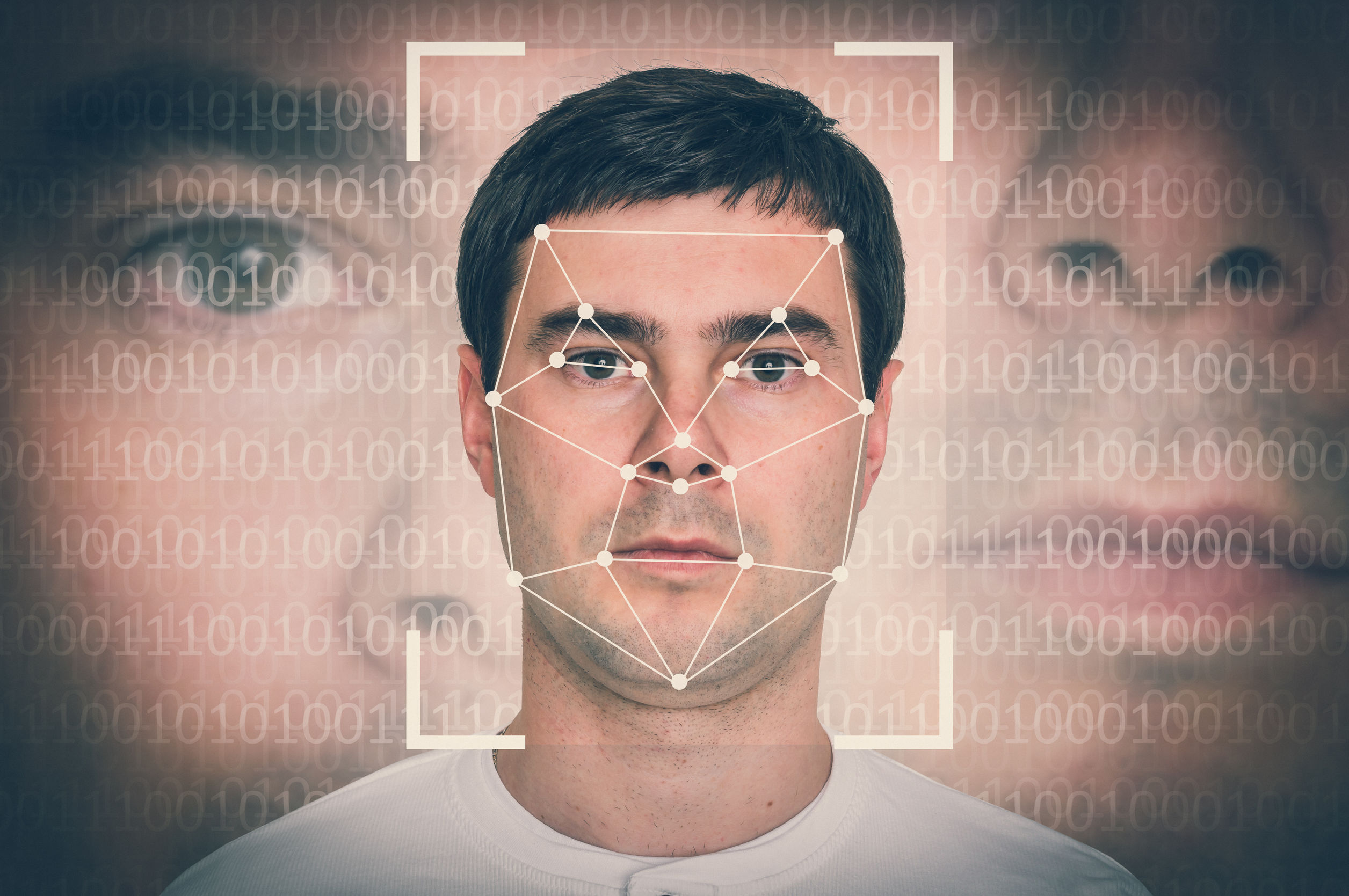
Photo credit: Andriano / 123RF
Deng, a photography enthusiast whose works are featured on a section of ArcSoft’s website dedicated to landscape and nature images, indicated that facial recognition technology will serve a wider role in society.





Stay updated on the go with our mobile app.
Get latest insights with smoother, more personalized experience through TIA mobile app.








📅 Upcoming Events
22 October 2026
Payoneer x CSPN Summit 2026