 Leighton Cosseboom · · 4 min read
TribeHired wants to fix the tech recruiting process in Asia

Ajay Sangwan (left), COO of TribeHired
In 2013, we looked at a startup called TribeHired, which grabbed a US$560,000 seed funding round led by TNF Ventures. TribeHired was one of the startups to graduate from JDFI.Asia’s inaugural bootcamp, and at the time its service was being used by firms like Lazada and Zalora. However, not much was heard from TribeHired afterwards, with no follow-on funding rounds reported to date.
TribeHired COO Ajay Sangwan has an explanation. “TribeHired pivoted in November 2014, and since then, we have become highly successful in Malaysia. Now we’re expanding to [the rest of] Southeast Asia within a year,” he says.
Ajay joined the TribeHired team in March last year as a senior business operations manager. He soon worked his way up and took the helm as the firm’s new COO the following November.
Originally, TribeHired positioned itself in the Malaysian market as purely a social recruitment website. Users could receive recommendations from warm contacts — folks the job seeker had a personal relationship with. This was supposed to have the effect of increasing the quality and reliability of job applicants. Today, the idea is different. TribeHired’s new focus is on meticulous internal curation.
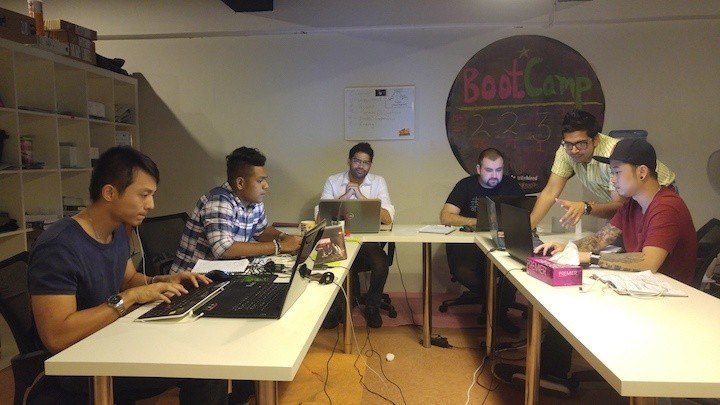
See: Cynical investors balked at accelerators in Asia. Here’s how JFDI got started anyway
Videos first, then interviews
“TribeHired flips the recruitment model by getting companies to apply, and compete to interview talent,” says Ajay.
“After speaking to several founders, I usually heard them say ‘Yeah, I’m looking to hire a front-end developer or a business development guy, [but they must] also [be] hungry to prove themselves. Do you by any chance know that guy?’”
When it started out, TribeHired’s social recommendation engine allowed users to search through their contact list and see if any of their friends were looking for new opportunities. “But we realized getting employed has a shitload more friction points, and the answer is not so simple,” he explains. “I decided if we were really going to provide real value and make a difference, we needed the stomach to fix these friction points one-by-one until we had an extremely efficient tool that was simple to use.”
TribeHired introduced video as a solution. Now, users upload brief videos of themselves, with the idea was that each candidate would then have a unique identity on file and employers get a better understanding of that person. Employers can also review the candidate’s technical aptitude with a test before placing a bid and confirming an interview date. According to Ajay, the strategy has worked well. “In the last few months, we’ve been seeing a pattern where many of our [featured] talents have been getting job offers within one week of going live on our marketplace. Moreover, we have accelerated the process of hiring from months to days.
See: 18 Malaysian startups poised to break out in 2015
Separating the winners from the losers
A burgeoning tech scene is key





Stay updated on the go with our mobile app.
Get latest insights with smoother, more personalized experience through TIA mobile app.







📅 Upcoming Events
22 October 2026
Payoneer x CSPN Summit 2026