Nicolette Tan · · 3 min read
How this series C company used their loyal customers to enter international markets
In this interview, we learn from Branch’s head of international expansion Ramsey Pryor on how the company has expanded and built a community of ambassadors and product evangelists.
Branch provides free deep linking technology to mobile app developers and marketers. The series C company links drive app conversions, engagement, and retention to marketing channels. In April this year, the Palo Alto-based company raised US$60 million, a round led by Playground Ventures.
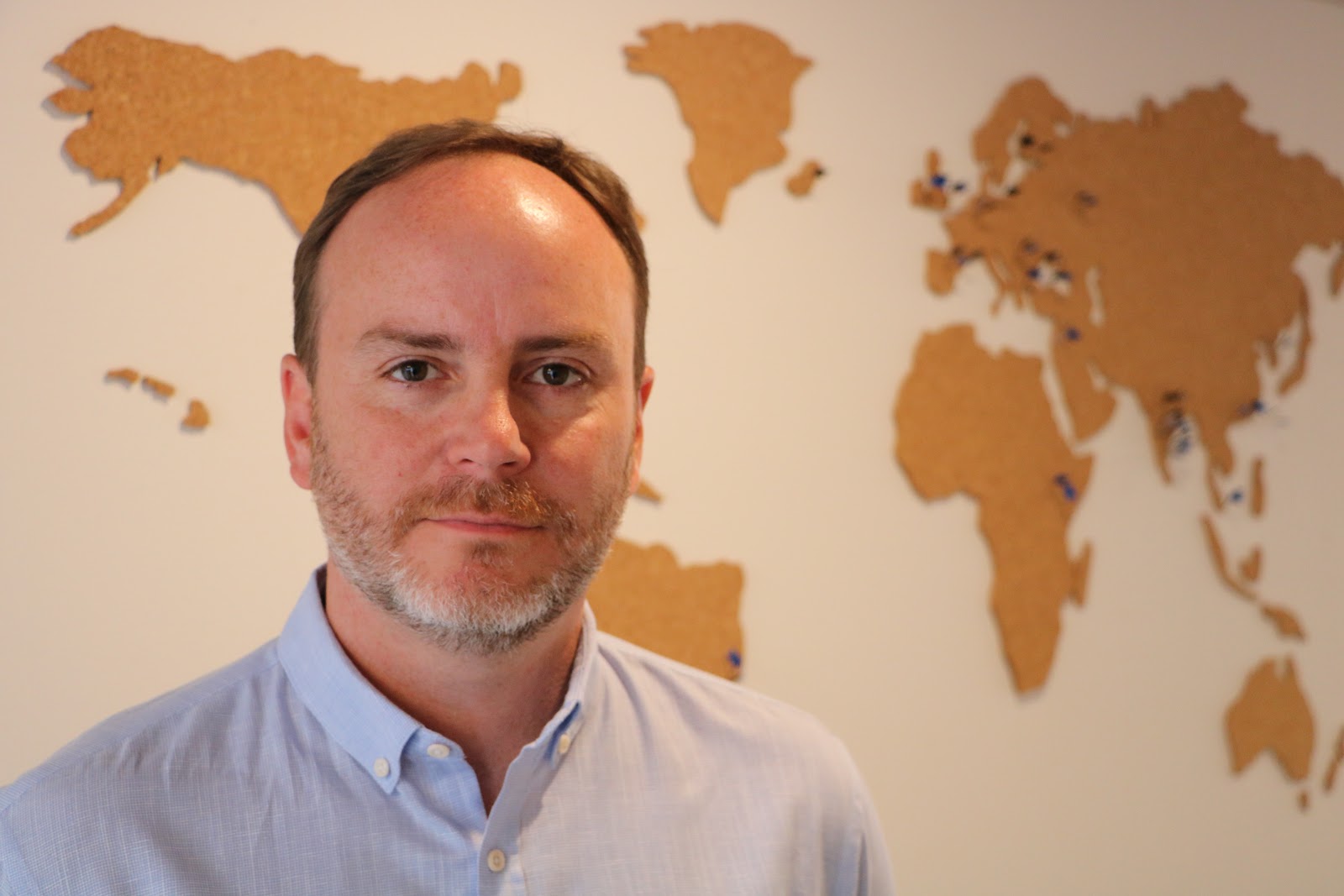
Branch’s head of international expansion, Ramsey Pryor.
How does the company decide where to set a physical office?
Our main office is in Palo Alto, where our core engineering team is, and our New York office is more focused on sales. Our global strategy started with building a worldwide community of ambassadors, who run our Mobile Growth meetups and share best practices on app growth within their local communities. Once we see a lot of growth in a particular market we will hire a Branch evangelist to establish a full-time presence and engage with larger local apps and accounts. From there on, we will build a team of tech people, sales, etc.
We look at three main things when deciding to build a full team in a new location:
- Vibrancy of the local app ecosystem as observed through our local community efforts
- Revenue potential of the market
- Engagement and organic adoption of the company
How do you manage your ambassadors and evangelists?
Our ambassadors are usually users of our product who would reach out to us […]. We look for people who have already built a strong presence and goodwill within the tech community.
Once they pass the initial application, they’d go through an interview process to make sure that they understand our product and are skilled at organizing and leading events. Most of our ambassadors are already active event organizers in their region and have a strong following.
With our evangelists, we have multiple weekly calls to ensure everyone is aligned. It’s essential that all of our offices remain in sync on product information and company strategy […].
In the end, it’s the same as how we hire any other employee. Finding the right cultural fit is key.
When you see growth in a market, what are your next steps?
We definitely monitor the numbers for some time, reach out to influencers in the local mobile development community, and attend meetups and big tech conferences like Tech in Asia Singapore to scope out the market more.
In Vietnam, for example, we have started seeing strong growth and heavy users. So we reached out and found users who really loved our product, and now we use them as our eyes and ears on the ground so we can take cues from the local community.
How has product localization been?
It’s interesting because we have done multiple marketing experiments to gauge interest. For example, one experiment we did is putting out ads in the local language. What we found was that we got a lot more clicks, but we didn’t see an increase in conversion.
In rapidly growing markets like Indonesia, [the company] gets implemented much faster […]. For example, our first deal there closed faster than anywhere else in [our] history. This was [with] the ecommerce marketplace Bukalapak. At our meetings, they came with questions, had already tried our product, and wanted to know how to optimize their campaigns.
What has been the toughest market to crack?





Stay updated on the go with our mobile app.
Get latest insights with smoother, more personalized experience through TIA mobile app.