 Malavika Velayanikal · · 5 min read
5 reasons why Indian SaaS startups will rock on the world stage

Photo credit: Pixabay.
India is known as a global leader in IT services. Now there’s a new wave of software-as-a-service (SaaS) from India. The latest Google-Accel India study counted over 500 SaaS startups in India.
More are sprouting fast, nourished by manpower and cost advantages as well as the shift to mobile and cloud-based computing. Here’s a drill down into five factors fueling the rise of Indian SaaS.
1. A shifting market
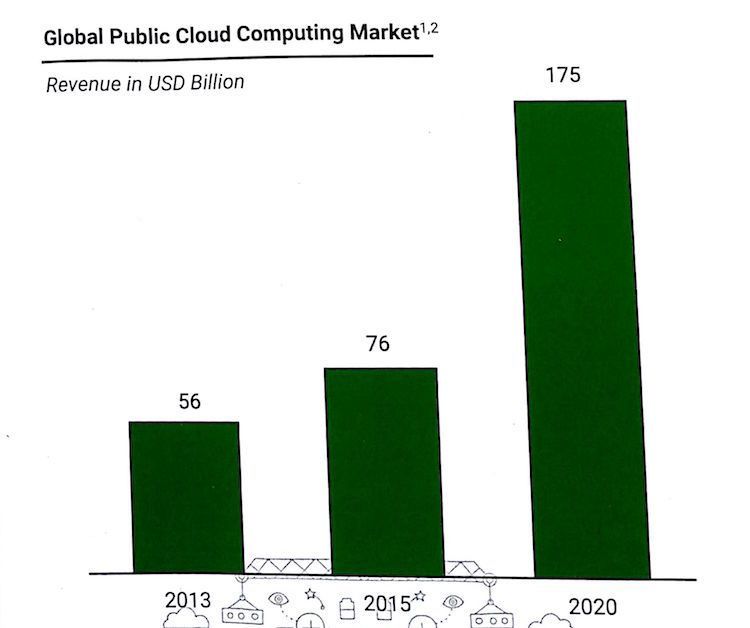
The global public cloud computing market is projected to reach US$175 billion by 2020, more than double the 2015 value. This is driven by rapid growth in cloud adoption by small and medium businesses (SMBs) in the US and Europe.
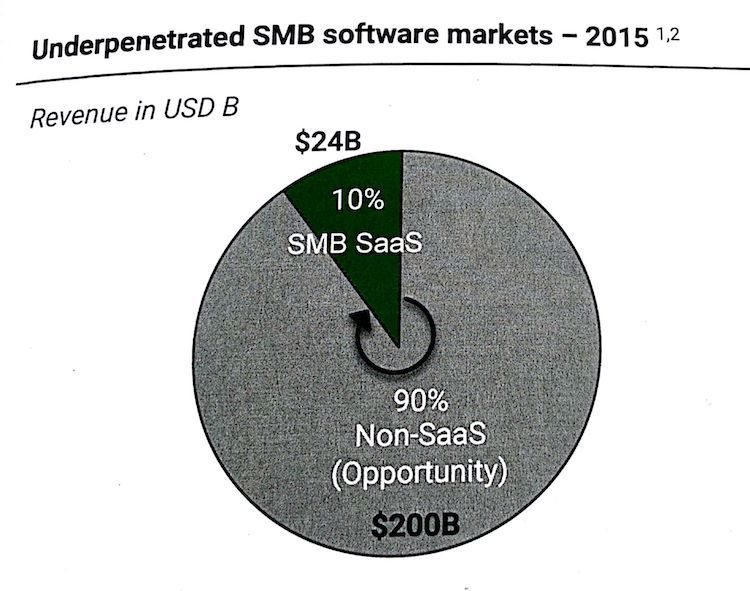
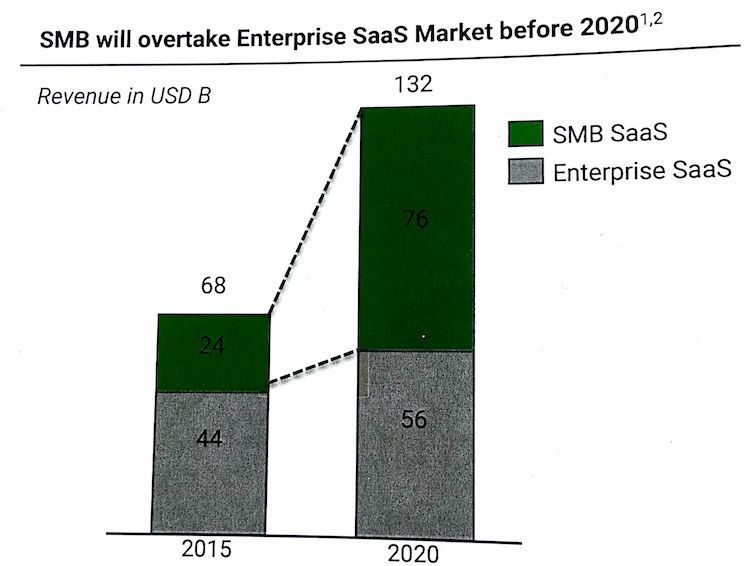
The emergence of higher quality vertical-specific SaaS products has caught SMB interest. And yet, SMB accounted for only 10 percent of SaaS revenue last year. This is changing fast though: the Google-Accel study sees SMB SaaS overtaking enterprise SaaS by 2020.
India is poised grab a sizable chunk of this emerging global SMB SaaS market, which is more easily accessible online than enterprise SaaS was earlier. Customers are increasingly comfortable with discovering and adopting products online, thus reducing the dependence on feet-on-street sales. SaaS startups from India can therefore gain traction even without sales teams abroad. And the huge Indian BPO industry has produced a massive pool of inside sales manpower for the SaaS startups to use.
See: Why Google and Accel see hyper growth for Indian SaaS startups
2. Cost advantage
A software developer in the US costs four times as much as a similarly skilled one based in India. This gives a huge advantage to Indian SaaS startups in devops costs. For price conscious SMB customers, the cost factor is a big incentive for choosing Indian SaaS.
3. Top rung product managers
4. The mobile-first edge
5. Emerging markets adopting SaaS





Stay updated on the go with our mobile app.
Get latest insights with smoother, more personalized experience through TIA mobile app.











📅 Upcoming Events
22 October 2026
Payoneer x CSPN Summit 2026