 Celia Chen · · 3 min read
China’s war on trash goes high-tech with AI-driven apps, facial recognition integration
Chinese consumers are spoiled with apps for just about everything they need to do in daily life – and that now includes sorting trash.
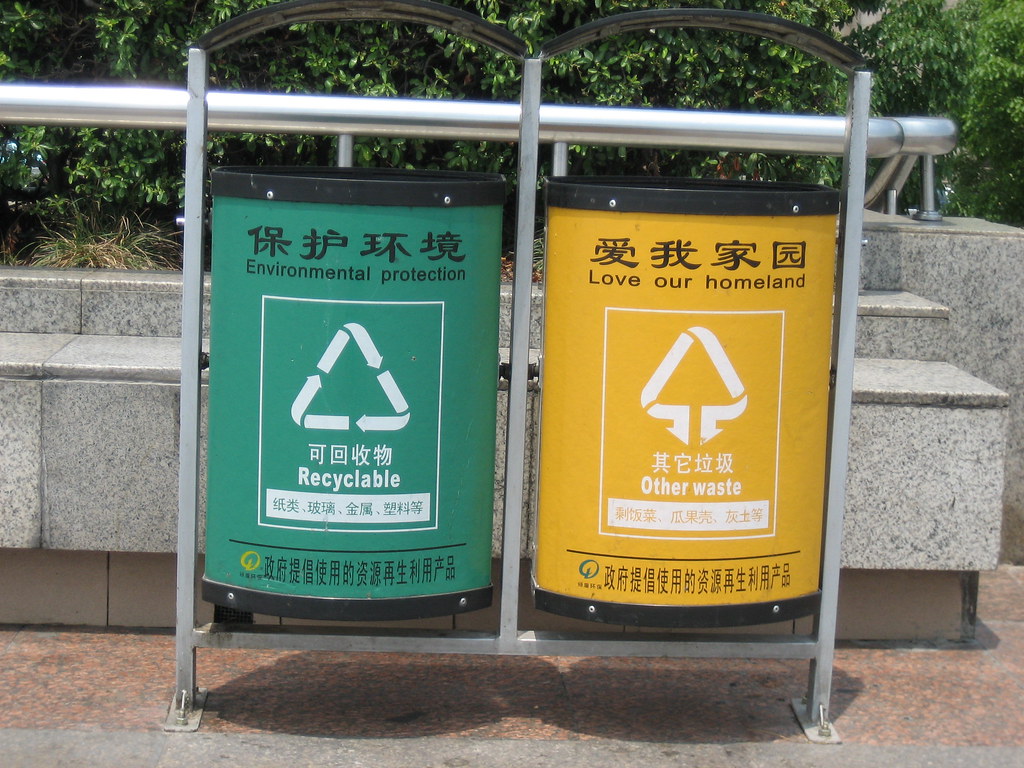
Photo credit: SocialTechnologies.com
After Shanghai residents complained about the difficulty in sorting waste into different categories under a new rule that came into effect July 1, China’s biggest internet companies jumped in with apps to help out.
The new rule requires waste to be binned according to four categories: biodegradable, dry, toxic and recyclable. Residents who fail to follow this face hefty fines and a possible reduction in their social credit scores.
Tencent, which operates the ubiquitous messaging app WeChat, introduced a mini-program, Master of Trash Sorting, for users in the cities of Beijing, Shanghai, Shenzhen, and Guangzhou, which instructs them how waste should be sorted and disposed of based on keywords.
Alipay, the financial arm of Alibaba, announced earlier that it had deployed its AI and augmented reality technologies to a mini-program for waste sorting in Shanghai and other cities in China. Users scan waste items using cameras on their smartphones to learn which category the rubbish belongs to. (Alibaba is the owner of South China Morning Post.)
Alipay said the mini-program, which has indexed more than 4,000 different types of waste to date, has assisted more than 3 million people since its beta test phase in early July. Alipay also launched another mini-program that enables people in 16 cities across China to sell recyclable waste from their homes.
Not to be outdone, Alibaba’s ecommerce rival JD.com said it provides AI-backed image recognition technologies so that businesses can sort their garbage. Users ask a smart speaker questions like “What kind of garbage is this?” and “How do I recycle this item?”
With more than 1.3 billion people, China is the world’s second-biggest producer of trash after the US. But repeated calls for better trash sorting have led to little progress over the past decade.
Shanghai, the second-most populous city in the country, has taken the initiative to introduce strict trash sorting and recycling rules to try and emulate the success of similar policies in Japan and Taiwan.
The recycling trend has also caught the attention of Chinese gaming startups. A 15-second video of a trash-sorting virtual reality game, developed by tech startup VitrellaCore, went viral on Chinese social media recently.
The game debuted at the Mobile World Congress in Shanghai last month, where long queues of visitors waited to try it, according to a report from state-run media Xinhua.
Wearing VR goggles, players can see different types of trash and a series of recycling bins. Points are earned when the trash is recycled into the appropriate bins.
In Beijing, trash bins with a facial recognition system have been installed in some residential areas to identify who is disposing of the rubbish. Residents who place the trash into the correct recycling bins can earn more social credit scores, according to a video post on social media platform Weibo.





Stay updated on the go with our mobile app.
Get latest insights with smoother, more personalized experience through TIA mobile app.











📅 Upcoming Events
22 October 2026
Payoneer x CSPN Summit 2026