Baidu is bucking the capital winter to play catch-up to Alibaba, Tencent in outside investments. Baidu had earlier invested in ride-booking platform Shouqi and NIO, another electric vehicle startup.
 Sarah Dai · · 2 min read
Baidu, Chery launch electric car with face-scanning payment, AR navigation features
Baidu, China’s largest internet search services provider, has jointly launched with Chery Automobile its first production-model electric vehicle built with an AI operating system. The move escalates efforts by domestic car manufacturers to embed more advanced technologies into their products.
A new version of the Exeed TX, an electric sports utility vehicle that Chery first sold in China last year, will have Baidu’s DuerOS, an AI platform that supports face-scanning payment, augmented reality (AR) navigation and remote control of home appliances among other features, according to a WeChat post by Baidu on March 11.
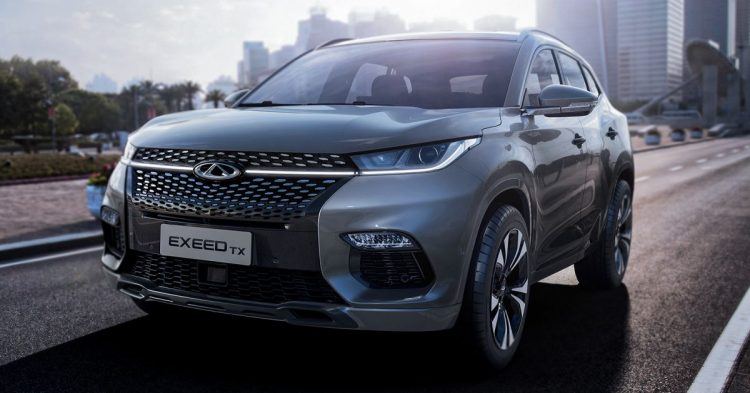
Photo credit: Chery Automobile
The DuerOS would provide a more customized user experience, including specific driver greetings as well as automatic adjustments to seats and lighting, the company said.
The smart Exeed TX, part of Chery’s initiative to attract younger consumers, is expected to hit the domestic market next month, according to the state-owned carmaker.
Chery did not immediately respond to text inquiries about the potential opportunity to export DuerOS-equipped Exceed TX units.
Nasdaq-listed Baidu, which started its AI investments about seven years ago, has been stepping up its efforts to bring AI into cars, homes and enterprises in China. Its main AI products are open-source autonomous driving platform Apollo, DuerOS and the ABC-Stack hybrid cloud platform for deploying AI into businesses.
DuerOS was embedded into more than 200 million devices with voice-command functions at the end of last year, according to Baidu’s recent corporate filing.
Baidu’s work with Chery comes after the Beijing-based online search giant led a 3 billion yuan (US$446 million) funding round in WM Motor Technology, an electric-car startup founded by Freeman Shen, the former China head of Volvo Car Corp.
WM Motor and Baidu are collaborating on research into smart cars and autonomous driving. The two companies are expected to roll out the first production models embedded with AI technologies in 2021, said the Shanghai-based carmaker in a statement on Friday.
Its foray into AI shows how Baidu is looking for new high-growth businesses amid a slowing Chinese economy and weakening revenue from its search advertising operations.
“We have entered a new stage in China’s internet, where the population and penetration dividend has gone,” said Robin Li Yanhong, Baidu’s billionaire co-founder, chairman and CEO, during the company’s earnings call earlier this month.
The company expects new business opportunities powered by its AI products to continue expanding this year, according to Li.
In January, Baidu entered into a strategic partnership with California-based autonomous delivery start-up Udelv that will see self-driving vans powered by the Chinese company’s software offer delivery services to American retailers.





Stay updated on the go with our mobile app.
Get latest insights with smoother, more personalized experience through TIA mobile app.