Rishi Alwani · · 8 min read
‘It’s harder to make an original casual game than to make a hardcore game’: an interview with Yellow Monkey Studios
Yellow Monkey Studios isn’t your average Indian game developer. Most Indian devs are at ease making games about Bollywood and cricket, and are content just with shipping games out.
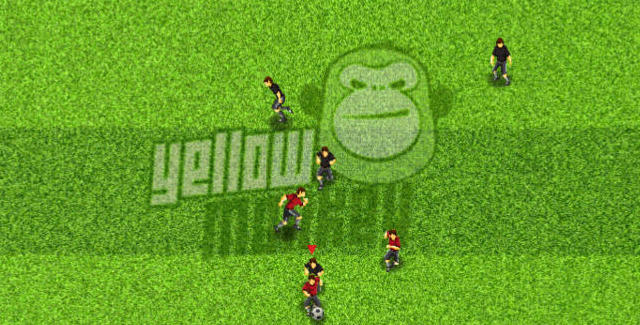
While others can boast of having worked on a metric ton of games, Yellow Monkey’s own catalogue is a paltry three titles. Nonetheless, the company has done well enough to warrant international attention, which is more than can be said for most developers in the country. The studio’s debut effort, Finger Footie, featured unique touch controls while its second game, It’s Just A Thought, won the Best Original Idea Award at Hóplay 2011, an international indie competition in Spain.
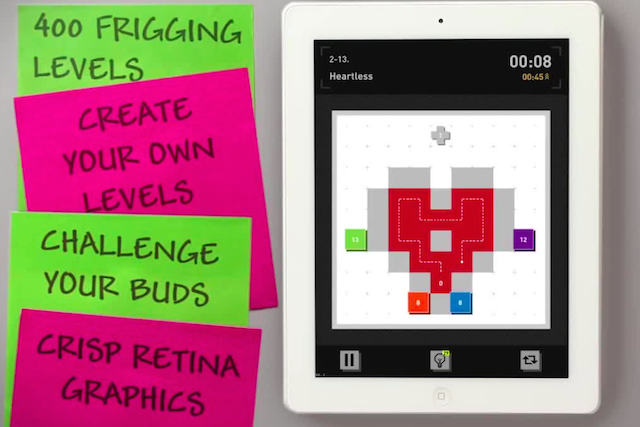
After that, its next game, Huebrix made a splash both locally and internationally. It snagged both Game of the Year and Indie Game of the Year awards at NASSCOM GDC, India’s only game developer conference. Internationally it won the Indie Prize at Casual Connect Europe in Hamburg in 2012 was the runner-up for Best Mobile Puzzle Game 2012 at Jayisgames and was nominated for a Satellite award from the International Press Academy alongside heavy hitters like Rovio, Gameloft and Adult Swim.
I caught up with Yellow Monkey’s founder, Shailesh Prabhu to find out what’s next from India’s most lauded development studio, how to survive as an independent, and what’s his take on the industry.

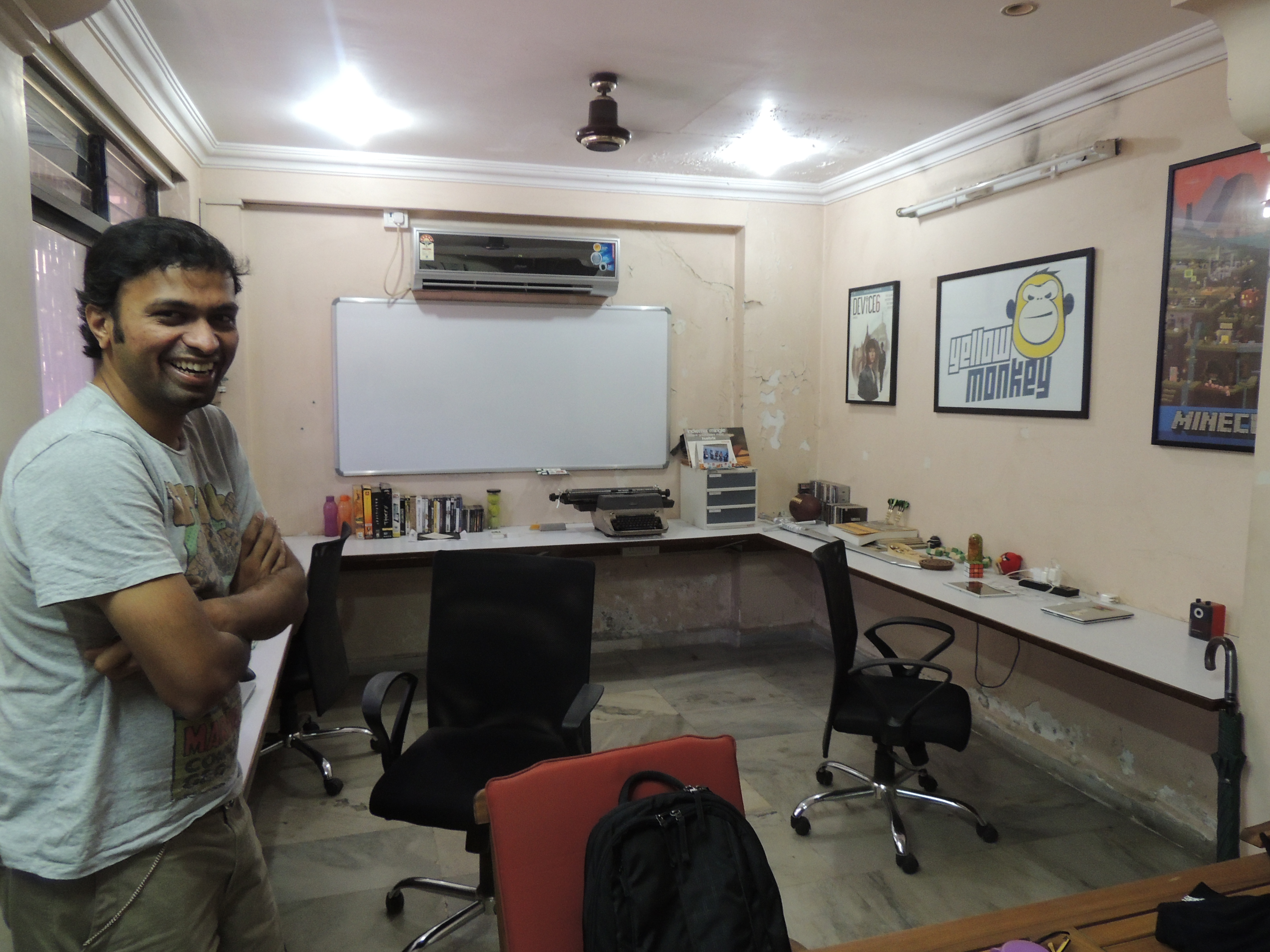
This wall at Yellow Monkey Studios serves as an awards shelf and a space for a TV, Xbox 360, and other necessities.
Going indie before indie
Before starting Yellow Monkey, Prabhu was a designer at Dhruva Interactive in Bangalore and then moved on to Nazara, a content and gaming company in Mumbai, where he built its game studio from ground up. What made him up and leave the cozy corporate confines of a steady paycheck and control of large team? A lot of things:
We were mostly working on licensed IP. As designers there was not much we could do. It was either cricket or Bollywood games. We were working on pretty cool tech back then such as 3D mobile, Open GL ES, and Java 3D. A lot of games we worked on didn’t come out. We didn’t have strong relationships with publishers and had no marketing. I was handling most of the marketing myself along with working on production and design. So I pretty much realised I was doing everything anyway.
But Nazara was shifting the focus to apps,content, wallpapers, and ringtones. That was not the space me or anyone on the team wanted to go towards. So that was as good a time as any to start; I always wanted to have my own studio and make my own games. This was back in 2007 back before Braid came out; the word “indie” didn’t really exist as it does now. Back then we were like “Hey this is our own studio”, it wasn’t really called indie. Now everyone wants to call everyone indie.
Scale of survival
Being a studio of two people, Prabhu has converted a part of his house into his office. In a city notorious for high real estate prices, it keeps costs low and allows him to focus on what he loves: making games.
Since it’s just the two of us, there aren’t any massive costs. We don’t have to pay salaries for ten people. I can’t remember the last time I took a salary. Whatever we make we keep putting it back into our own games. And keep trying to make new and interesting stuff. Sometimes it works, and at times we scrap a lot of prototypes and keep moving forward.





Stay updated on the go with our mobile app.
Get latest insights with smoother, more personalized experience through TIA mobile app.